Focused arrival windows
Useful updates and clear arrival timing.
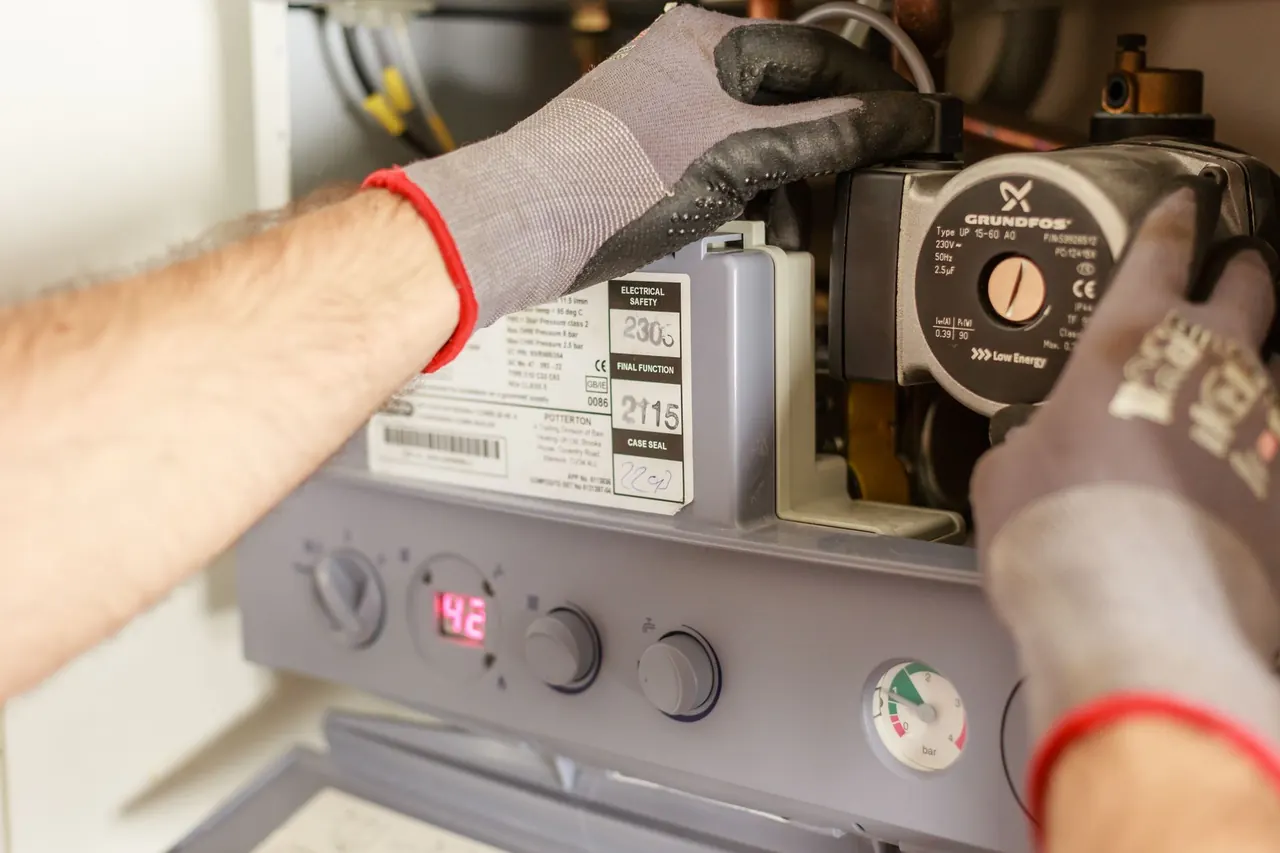
When your heat quits in San Juan de Lurigancho, you need a crew that knows the district and carries the right parts. Lima Furnace Repair Pros delivers Furnace Repair in San Juan de Lurigancho across San Juan de Lurigancho Centro, Canto Grande, Zárate, and Campoy. We stock igniters, flame sensors, control boards, and blower motors for Carrier, Trane, Lennox, Goodman, and Rheem systems. One call, one visit, heat back on.
Useful updates and clear arrival timing.
Review the approach and price before deciding.
Equipped vehicles and respectful cleanup.
Neighbors serving neighbors with follow-through.
Furnace Repair in San Juan de Lurigancho is the work we do every week, not a sideline. San Juan de Lurigancho is the most populous district in the area, and its mix of housing types means we see everything from older detached homes near San Juan de Lurigancho Centro to newer multi-unit buildings along Avenida Próceres. That range matters, because a 1990s Carrier furnace in Canto Grande and a newer Goodman unit in Campoy fail for different reasons. We carry the tools to diagnose both on the first visit: manifold gauge sets, multimeters, combustion analyzers, thermocouple testers, flame sensor testers, blower motor pullers, fin combs, vacuum pumps, clamp meters, and inspection cameras. Our technicians hold NATE certification and EPA Section 608 credentials, and we work to Ohio HVAC license and ACCA standards on every job. Whether you need San Juan de Lurigancho Furnace Repair for a no-heat call or Furnace Repair near San Juan de Lurigancho for a tune-up, we treat the district like our own neighborhood. We know the streets, the buildings, and the weather that wears furnaces down here.
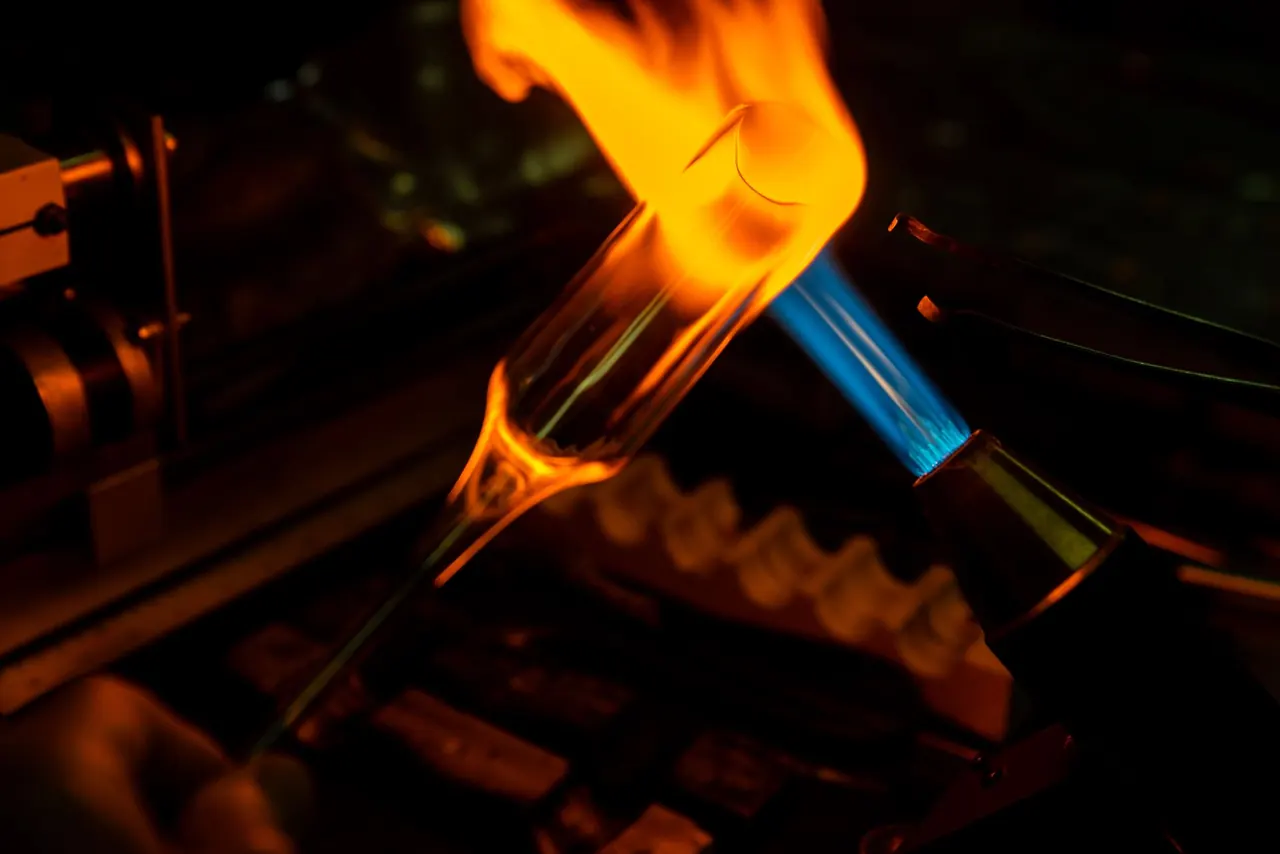
Furnace Repair demand in San Juan de Lurigancho runs year-round, but it spikes hard when the first cold snap hits in late October. We run full-service routes through the district, so whether you need affordable Furnace Repair in San Juan de Lurigancho for a minor fix or a full system diagnosis, we can get a tech to your door. Below is what we handle most often in this district.
Gas furnaces are the most common system we see in San Juan de Lurigancho, especially in older homes around Zárate and Campoy. We diagnose igniter failures, dirty flame sensors, bad gas valves, and cracked heat exchangers. Our techs carry combustion analyzers and thermocouple testers to verify safe operation before we leave.
View service →02Electric furnaces show up in newer multi-unit buildings along Avenida Próceres and in some San Juan de Lurigancho Centro rentals. Common failures include bad heating elements, failed sequencers, and tripped limit switches. We use clamp meters and multimeters to trace the circuit and replace only what has failed.
View service →03Propane systems serve a smaller share of San Juan de Lurigancho, mostly in outlying pockets near Campoy where natural gas lines do not reach. Propane burns hotter and dirtier, so we see more carbon buildup on heat exchangers and more frequent flame sensor cleaning. We stock propane-specific orifices and gas valves on the truck.
View service →04When your heat dies at 2 a.m. in January, you need emergency Furnace Repair in San Juan de Lurigancho, not a callback tomorrow. We run 24/7 dispatch through the district. Our techs arrive with diagnostic tools ready, identify the fault, and restore heat the same visit whenever parts allow.
View service →05Most San Juan de Lurigancho calls placed before noon get a same-day visit. We route trucks through Canto Grande, Zárate, and San Juan de Lurigancho Centro daily, so we can often slot you in without a long wait. Same-day Furnace Repair San Juan de Lurigancho OH service covers no-heat calls, short cycling, and strange noises.
View service →06Residential work is our bread and butter in San Juan de Lurigancho. We handle single-family homes, duplexes, and small multi-unit buildings. Whether it is a 1980s Bryant furnace in Campoy or a newer Lennox system in San Juan de Lurigancho Centro, we repair it in place and test the full cycle before we leave.
View service →07Commercial furnace calls in San Juan de Lurigancho come from small retail strips near Avenida Próceres, clinics, and multi-unit residential buildings. These systems run longer hours and fail under load. We schedule commercial work around your operating hours and carry the control boards and inducer motors common to rooftop and closet units.
View service →08Carrier units are common in San Juan de Lurigancho's older housing stock. We know their ignition sequences and the control board faults that trip them. Our trucks carry Carrier-compatible igniters, flame sensors, and blower motors, so most repairs finish in one visit.
View service →09Trane furnaces show up in mid-range homes across Canto Grande and Zárate. Their sealed combustion systems need careful diagnosis when they fail. We use combustion analyzers and inspection cameras to check the heat exchanger and verify airflow before recommending any part.
View service →Execution in San Juan de Lurigancho looks different from a suburban job. Many homes here sit on narrow lots with limited driveway access, so we park on the street and carry tools to the mechanical closet. Older buildings in Zárate and Campoy often have furnaces in tight basements or closets, which means we bring compact inspection cameras and a blower motor puller to work in tight spaces. We follow Ohio HVAC license requirements and ACCA standards on every install and repair, and we verify gas-side work with a manifold gauge set and combustion analyzer. Scheduling matters too: we route trucks through San Juan de Lurigancho Centro, Canto Grande, and Campoy in the morning and cover emergency calls after hours. If you need 24/7 Furnace Repair San Juan de Lurigancho near me service, call and we will dispatch the nearest tech.
Many San Juan de Lurigancho homes still run the ductwork installed when they were built. Leaky joints and undersized returns cause uneven heating and limit switch trips, so a furnace repair often turns into an airflow fix. We measure static pressure and inspect accessible duct runs before quoting a repair. If the ducts are the real problem, we tell you and fix the airflow so the furnace can run a full cycle without tripping.
San Juan de Lurigancho runs a few degrees cooler than nearby areas, which means furnaces here work harder and longer. That shortens the life of igniters, blower motors, and heat exchangers. We size repairs for the actual load, not a generic number. On tune-ups we check the heat exchanger and blower draw so you are not caught off guard by a failure in January.
Older San Juan de Lurigancho homes often tuck the furnace into a closet or low basement. That limits working room and makes blower motor and control board swaps slower than on an open utility room. We bring compact tools, including a blower motor puller and inspection camera, and we plan the job so we are not making multiple trips. Most closet-unit repairs still finish in one visit.
Any gas-side furnace work in San Juan de Lurigancho must be performed by a licensed HVAC contractor. We hold the license and pull the right permits when a repair crosses into replacement territory.
Section 608 governs refrigerant handling, and it applies when a furnace repair touches a paired AC or heat pump system. Our techs hold Section 608 certification, so we can service the full system without calling a second contractor.
ACCA standards set the airflow and load-calculation benchmarks we use on every San Juan de Lurigancho job. Following them is how we catch undersized returns and duct problems that cause repeat furnace failures.
San Juan de Lurigancho's housing mix and cooler microclimate drive a predictable set of furnace problems. Older homes in Zárate and Campoy deal with age-related failures, while newer builds in San Juan de Lurigancho Centro more often see airflow and sensor issues. Knowing what is common here helps us stock the right parts and diagnose faster on the first visit.
San Juan de Lurigancho's older furnaces run long cycles in the cooler months, and that builds carbon on the flame sensor. Once the sensor loses its signal, the control board shuts the gas valve and the furnace stops heating. We clean or replace the sensor and verify the flame signal with a flame sensor tester. We also check the burners for the same carbon buildup so the problem does not come back next season.
Igniters are a wear item, and in San Juan de Lurigancho's older housing stock many are original or first-replacement parts. They crack with age and stop drawing enough current to light the burners. We test the igniter directly and replace it with an OEM-spec part. We also verify the ignition sequence on three cycles before we leave, so you are not calling us back a week later.
Older San Juan de Lurigancho homes often have undersized returns and leaky ducts. When airflow drops, the furnace overheats and the limit switch trips, shutting the system down. It is one of the most common calls we get in Zárate and Campoy. We replace the switch if it has failed, then fix the airflow problem that caused it. That means checking the filter, measuring static pressure, and inspecting accessible duct runs before we call the job done.
Heat exchangers in San Juan de Lurigancho's oldest homes have been through decades of heating cycles. Metal fatigue and corrosion eventually cause cracks, which can leak carbon monoxide into the living space. We inspect the exchanger with an inspection camera and combustion analyzer. If it is cracked, we shut the system down and walk you through replacement options. Safety comes before any repair.
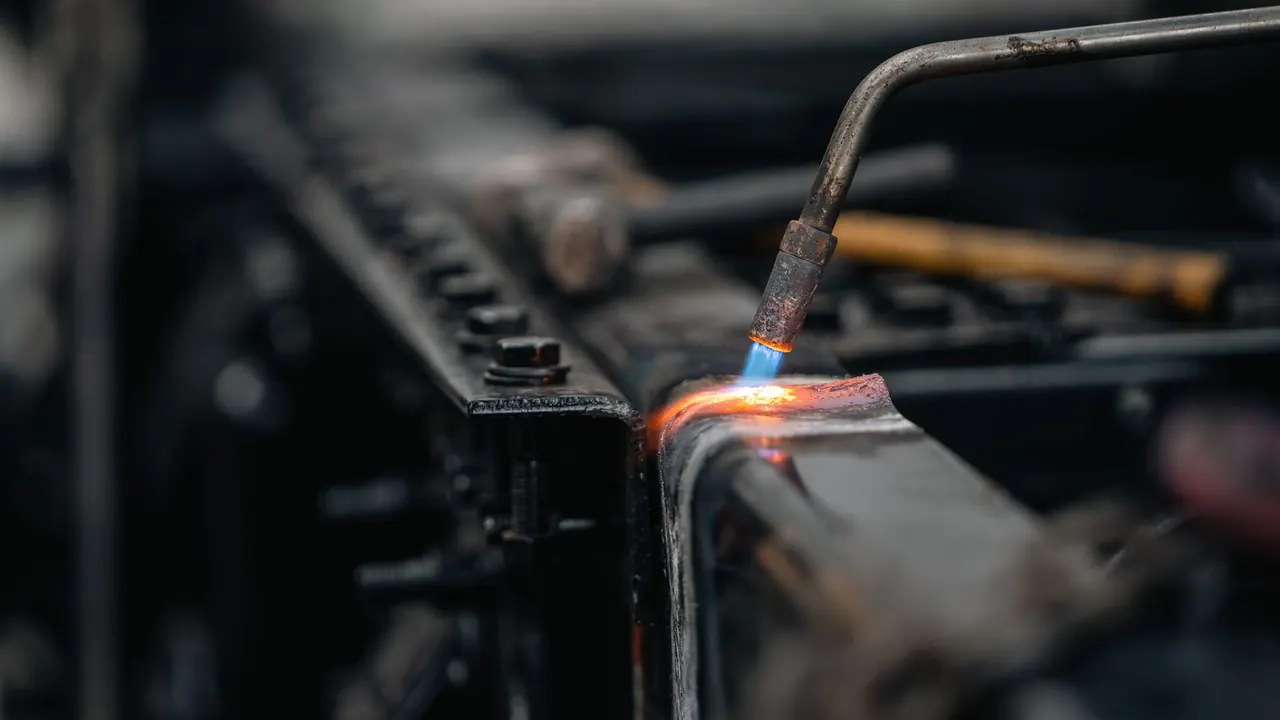
Typical 2026 pricing for Furnace Repair in San Juan de Lurigancho runs $180 to $450 for most common repairs, with igniter and flame sensor replacements at the lower end and blower motor or control board work at the higher end. Emergency calls after hours carry a dispatch premium, and jobs that require a heat exchanger replacement or a full system swap are quoted separately. We give you a price before we start, and we do not add charges for diagnosis if you approve the repair. If you want a ballpark before we arrive, call and describe the symptoms; we can usually narrow the range over the phone.
Common parts like igniters, flame sensors, and thermocouples are on our trucks and keep costs down. Less common control boards or brand-specific blower motors may need to be sourced, which adds time and sometimes cost to the job.
Standard weekday calls in San Juan de Lurigancho are priced at our regular rate. After-hours and weekend emergency calls carry a dispatch premium because we are pulling a tech off a route or sending one out overnight.
A furnace in an open utility room is faster to service than one in a tight closet or low basement, which is common in older San Juan de Lurigancho homes. Older systems also take longer to diagnose because more components are near end of life.
San Juan de Lurigancho is a big district, and knowing the landmarks saves time on every call. We use the San Juan de Lurigancho Municipality as a central reference point when routing through the center, and Hospital San Juan de Lurigancho as a marker for the surrounding residential blocks. Avenida Próceres is our main north-south artery, and Parque Zárate helps us orient in the western neighborhoods. When you call, we ask for the nearest landmark so we can dispatch the closest truck and give you an accurate arrival window.
A central reference point in the district. We use it to route trucks through San Juan de Lurigancho Centro and to give customers a clear meeting point when their street is hard to find.
A well-known marker on the district's main corridors. When a customer mentions the hospital, we know which residential blocks surround it and can estimate arrival time accurately.
The district's main north-south artery. We use it as our primary route between San Juan de Lurigancho Centro and the northern neighborhoods, and it helps us plan around peak traffic.
A recognizable park in the Zárate area. It helps us orient in the western part of the district and confirm which side of the neighborhood a customer is on before we dispatch.
Avenida Próceres carries a mix of retail, clinics, and small offices along its length. Commercial furnace calls here often involve rooftop or closet units that run long hours, so we schedule service around operating hours.
The center concentrates shops, services, and multi-unit residential buildings. We handle both commercial furnace repairs and residential calls in the same trip, which keeps scheduling efficient for building owners.
The main artery through the district. We use it to move between the center and northern neighborhoods and to plan around rush-hour traffic.
The center's transit corridor sees heavy foot and vehicle traffic. We account for it when scheduling morning calls so arrival windows stay accurate.
We run service routes through every major neighborhood in San Juan de Lurigancho, from the busy center to the quieter edges near Campoy. Whether you are in a high-rise near Avenida Próceres or a single-family home in Zárate, we can get a tech to your door, usually the same day.
The district's core mixes older single-family homes with newer multi-unit buildings. Furnace calls here often involve high-efficiency condensing units in newer builds and aging Carrier or Bryant systems in the older blocks. Access is usually straightforward, but parking near Avenida Próceres can slow us down at peak hours. We are in this area most weekdays, so response is typically within a few hours.
Canto Grande is mostly residential, with a mix of mid-century homes and small multi-unit buildings. We see a lot of Goodman and Rheem furnaces here, and the most common calls are no-heat issues tied to dirty flame sensors and failed igniters. Older ductwork in this area often needs attention alongside the furnace repair. Canto Grande is on our daily route, so same-day service is usually available.
Zárate has some of the oldest housing stock in San Juan de Lurigancho. Furnaces here tend to be original or first-replacement units, and we see more cracked heat exchangers and failed thermocouples than anywhere else in the district. If your furnace is more than 15 years old, a safety check is worth it. We cover Zárate on our morning route and can usually arrive within a few hours.
Campoy sits on the district's edge and includes a mix of single-family homes and small commercial properties. Propane furnaces are more common here because natural gas lines do not reach every block. We stock propane-specific parts so we can finish most repairs in one visit. Campoy is a short drive from our route, and we schedule it with same-day coverage most days.
These are real jobs we have run in San Juan de Lurigancho, with the kind of detail that shows what to expect. Every case below started as a no-heat or short-cycling call and ended with a working furnace and a clear explanation of what failed.
A homeowner in Zárate called after their furnace stopped lighting. The igniter glowed, but the burners never came on, and the system shut down after 30 seconds. We tested the flame sensor with a flame sensor tester and found it coated in carbon. The sensor was not reading the flame, so the control board was shutting the gas valve. We cleaned the sensor, verified the flame signal, and checked the burners for the same carbon buildup. Heat restored in under an hour. The homeowner scheduled a fall tune-up to prevent a repeat, and the furnace ran the rest of the winter without another call.
A property manager near Avenida Próceres reported a commercial furnace short cycling in a multi-unit building. Tenants were cold, and the system was cycling every few minutes. We measured static pressure and found a badly clogged filter and a blocked return. The limit switch was tripping on high temperature. We replaced the filter, cleared the return, tested the limit switch, and confirmed the furnace could run a full cycle. Short cycling stopped the same visit. The building's gas usage dropped noticeably the following month, and the manager added us to their seasonal maintenance schedule.
A family in Canto Grande had a furnace blowing cold air. The blower ran constantly, but no heat came from the vents, and the house stayed in the low 60s. We traced the fault to a failed igniter and a dirty flame sensor. The igniter was cracked and not drawing enough current to light the burners. We replaced the igniter, cleaned the sensor, and verified ignition on three consecutive cycles. Heat back the same day. The homeowner told us the furnace had been cycling oddly for weeks, and the repair resolved both the no-heat and the short cycling.
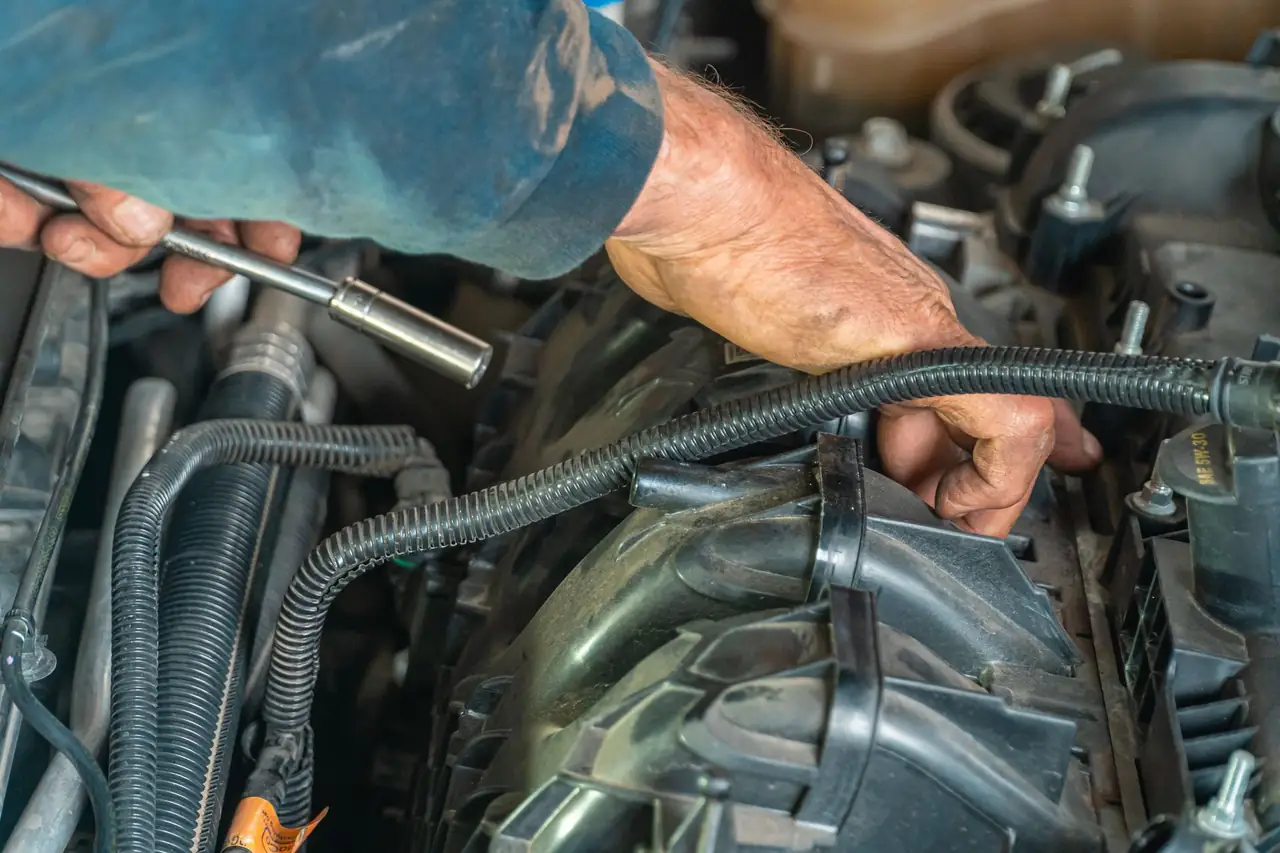
Our furnace quit on the coldest night of the year, and we called at 11 p.m. The tech arrived within two hours, found a failed igniter, and had heat back before 2 a.m. He explained what failed and showed us the old part. We have used them twice since for tune-ups.
We manage a small building near Avenida Próceres and had a commercial furnace short cycling for weeks. The crew diagnosed a blocked return and a tripped limit switch, fixed both, and showed us the airflow readings. Tenants stopped complaining the same day.
Our furnace was blowing cold air and we thought we needed a new one. The tech found a cracked igniter and a dirty flame sensor, replaced the igniter, and cleaned the sensor. Half the cost of a replacement and it has run fine all winter. Honest work.
San Juan de Lurigancho's cooler microclimate means furnace season starts earlier and runs longer than in surrounding districts. Demand peaks from late October through March, but the work does not stop in summer. Here is how the seasons shape what we see and what you should do.
Spring is the best time to catch problems before next winter. We see a lot of post-winter tune-up calls in San Juan de Lurigancho, where we clean flame sensors, check heat exchangers, and replace filters that took a beating over the cold months.
Summer is slow for furnace calls but busy for maintenance. In San Juan de Lurigancho, we use the warm months to replace blower motors, clean ducts, and address airflow problems that caused limit switch trips the previous winter.
Fall is when San Juan de Lurigancho furnaces get their first real workout. We see a spike in no-heat calls as systems that sat idle all summer fail on the first cold night. Igniters and flame sensors are the usual culprits.
Winter is peak season in San Juan de Lurigancho. Emergency calls jump, especially for no-heat and short-cycling issues. The cooler microclimate means furnaces here run longer cycles than in nearby districts, which wears parts faster.
San Juan de Lurigancho anchors our eastern service area, and we cover several nearby districts from the same dispatch. If you are just outside the district line, we can still get to you, usually the same day. Here is how the surrounding areas connect to our San Juan de Lurigancho routes.
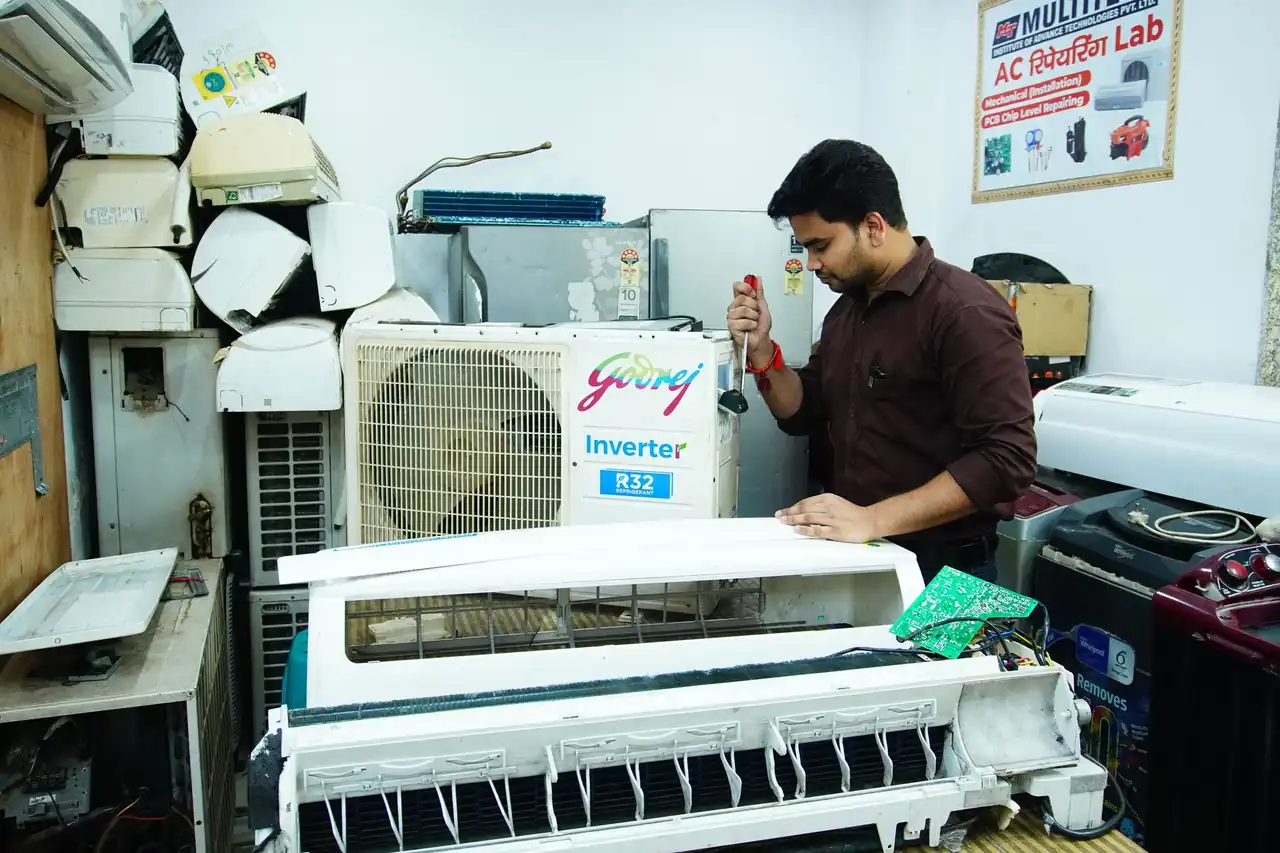
A short drive from San Juan de Lurigancho, and a common crossover for customers who work in one district and live in the other.
Local coverage and details
Nearby and frequently paired with San Juan de Lurigancho on our daily routes, especially for commercial furnace calls.
Local coverage and details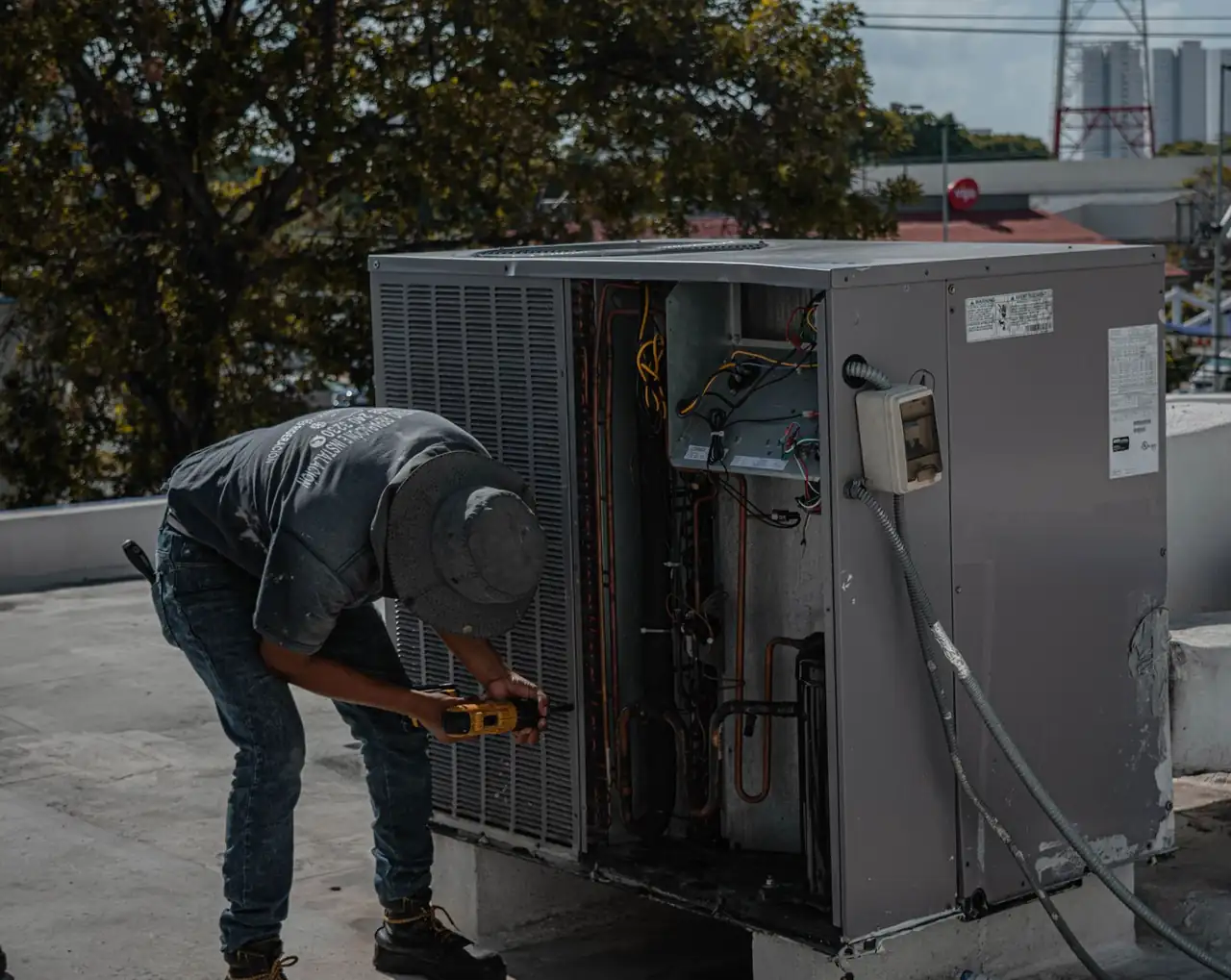
A neighboring district we cover on the same dispatch, with response times comparable to San Juan de Lurigancho.
Local coverage and details
Slightly farther out but still within our service radius, and we schedule it alongside San Juan de Lurigancho calls.
Local coverage and detailsNot every contractor who answers the phone in San Juan de Lurigancho is set up to do the job right. The questions below are the ones that separate a real furnace repair company from a call center that subcontracts the work. Ask them before you book, and you will avoid the most common traps.
Gas-side work requires an Ohio HVAC license and liability insurance. If a contractor cannot confirm both, you are exposed to safety risk and to paying out of pocket if something goes wrong.
A truck stocked with common igniters, flame sensors, and blower motors finishes most repairs in one visit. If the contractor has to order every part, you are looking at multiple trips and days without heat.
Upfront pricing tells you the contractor has diagnosed the problem and is not planning to add charges later. If they will not quote before starting, that is a red flag.
Furnaces fail at night and on weekends. A contractor with real 24/7 dispatch can get to you when you need it. One that only forwards to voicemail will leave you cold until Monday.
NATE certification and EPA Section 608 credentials show a technician has passed independent testing. They are a baseline for competence, not a marketing badge, and you should expect them from any crew working on your system.
North American Technician Excellence
U.S. Environmental Protection Agency
$2M general liability
member
member
Most common repairs in San Juan de Lurigancho run $180 to $450 in 2026. Igniter and flame sensor replacements sit at the lower end, while blower motor and control board work sit at the higher end. Emergency calls after hours add a dispatch premium. We quote before we start, and diagnosis is included when you approve the repair.
The best Furnace Repair San Juan de Lurigancho company is the one that shows up when it says it will, carries the parts for your brand, and quotes before starting. We stock Carrier, Trane, Lennox, Goodman, Rheem, Bryant, York, and Amana parts, hold NATE certification and EPA Section 608 credentials, and run 24/7 dispatch through the district.
Yes. We run 24/7 emergency Furnace Repair in San Juan de Lurigancho, including overnight and weekend no-heat calls. Our on-call tech carries diagnostic tools and common parts, so most emergency visits restore heat the same night. Call (419) 287-8289 and we will dispatch the nearest truck.
Ask three things: are they licensed and insured in Ohio, do they carry parts for your furnace brand, and will they quote before starting. A pro who answers all three is set up to do the job right. Ask about NATE certification and EPA Section 608 too, since those show independent testing.
Yes. Calls placed before noon usually get a same-day visit in San Juan de Lurigancho. We route trucks through San Juan de Lurigancho Centro, Canto Grande, Zárate, and Campoy daily, so we can often slot you in without a long wait. Emergency calls are handled around the clock.
Not seeing your question? Our local team can help you understand urgency, scheduling and what to expect.
Ask the local team
Reach us any hour at (419) 287-8289. We answer live calls overnight and on weekends, and most repairs in Lima and Allen County get a tech on site the same day. Tell us what your furnace is doing and we will give you a straight answer and an arrival window.