Focused arrival windows
Useful updates and clear arrival timing.
When your furnace quits on a cold Lima night, you need Gas Furnace Repair in Lima that shows up fast and fixes it right the first time. We handle gas heating repair in Lima for homeowners in 45801, 45804, and 45805, from dirty flame sensors to cracked heat exchangers. Our NATE-certified techs carry the parts to get your heat back the same day.
Useful updates and clear arrival timing.
Review the approach and price before deciding.
Equipped vehicles and respectful cleanup.
Neighbors serving neighbors with follow-through.
Every gas furnace repair call includes a full diagnostic, a written flat-rate price, the repair itself, and a combustion test before we leave. Here is what is covered on a standard visit, and what we quote separately if your system needs it.
We pull board fault codes, test the igniter, flame sensor, thermocouple, limit switches, and gas valve with a multimeter and clamp meter, and inspect the heat exchanger with an inspection camera. You get the findings in plain English.
Before we start, you get one flat price for the repair, parts and labor included. No hourly clock running while we work. If we find a second problem mid-repair, we stop and quote it before touching anything else.
Igniters, flame sensors, thermocouples, limit switches, and universal control boards are on the truck. We replace the failed part with an OEM or equivalent component and verify it against the manufacturer's spec.
After the repair, we run a full heat cycle, check temperature rise against the data plate, and take a combustion reading with an analyzer. If we find a cracked heat exchanger or a gas leak, we red-tag the furnace and explain your options.
We check your furnace filter, blower wheel, and static pressure as part of every call. Restricted airflow is a top cause of limit switch trips and short cycling, so we flag it before it becomes your next repair.
Our labor is warrantied for 90 days, and the parts we install carry their manufacturer warranty. If the same component fails inside the labor window, we come back and make it right at no charge.
Share what is happening and receive a clear next step from the local team.
Gas Furnace Repair in Lima is the diagnostic and mechanical work of finding out why a gas-fired furnace stopped heating and correcting the failed component. That means testing the igniter, flame sensor, thermocouple, gas valve, inducer motor, and control board with a multimeter and combustion analyzer, then replacing what has failed. Most no-heat calls trace back to a dirty flame sensor, a failed igniter, or a tripped limit switch. We confirm the repair with a combustion test before we leave.
Lima winters push furnaces hard from October through April, and Allen County's older housing stock means plenty of systems running past 15 years. When your furnace blows cold air or short cycles at 2 a.m., you want gas heating repair near me Lima that answers the phone. We stock Carrier, Trane, Lennox, Goodman, and Rheem parts on the truck so affordable gas furnace repair Lima Ohio doesn't mean a three-day wait for a control board.
When you call (419) 287-8289, we ask what the furnace is doing: not turning on, blowing cold air, short cycling, or making strange noises. That tells us which parts to load and whether this is a same-day or emergency slot. Most calls get a two-hour arrival window.
The tech pulls the fault codes, then tests the igniter, flame sensor, thermocouple, limit switches, and gas valve with a multimeter and clamp meter. We inspect the heat exchanger with an inspection camera for cracks. This takes 30 to 45 minutes and ends with a written repair price.
You get the diagnosis in plain English and a flat-rate price before any work starts. If it is a $200 flame sensor cleaning and igniter swap, we say so. If the heat exchanger is cracked and the furnace is unsafe, we tell you that too, and you decide how to proceed.
Most ignition, sensor, and control board repairs take one to three hours. Blower motor and inducer motor replacements run three to five hours because of the disassembly involved. We use a blower motor puller and fin comb to protect the wheel and coil during the swap.
Before we pack up, we run a full heat cycle, check temperature rise against the data plate, and take a combustion reading with the analyzer. You get the old parts, a written invoice, and a reminder to change your furnace filter every 60 to 90 days.
Measures gas manifold pressure on natural gas and propane furnaces so we can confirm the gas valve is delivering the correct pressure to the burners.
Reads carbon monoxide, oxygen, and flue temperature after a repair. We use it on every gas-side job to confirm the furnace is burning clean and safe.
Tests igniter resistance, flame sensor microamps, control board outputs, and blower motor amp draw. This is how we prove which component failed instead of guessing.
Lets us look inside the heat exchanger for cracks without pulling the furnace apart. A cracked exchanger is a carbon monoxide risk and a red-tag condition.
Removes the blower wheel without bending it and straightens coil fins after cleaning. Protects parts that are easy to damage during a motor swap.
Verifies standing-pilot thermocouples and flame sensors read within spec. A sensor that reads low will shut the furnace down even when it looks clean.
Used on gas valve and control work where moisture or debris needs to be cleared from the line before reassembly.
Our techs are tested to NATE standards for gas heating diagnostics, which means they follow a documented sequence: verify call for heat, test ignition, prove flame, check airflow, and verify temperature rise. No shortcuts, no parts-swapping guesses.
We follow EPA Section 608 rules for refrigerant and combustion safety, including leak checks and proper handling of any refrigerant circuits tied to the system. It keeps the job legal and your home safe.
We check static pressure and temperature rise against ACCA guidelines. A furnace running outside its rated rise will short cycle and wear out early, so we correct airflow as part of the repair.
All gas work is performed under an Ohio HVAC license with OSHA safety compliance on gas-line and electrical work. We shut gas at the valve, test for leaks, and verify combustion before restoring service.
We run 24/7 emergency dispatch for total heat loss. A tech arrives with igniters, sensors, and control boards on the truck, diagnoses the failure, and repairs it the same night whenever the part is on hand. Heat restored the same night in most cases, with a written invoice and a 90-day labor warranty on the repair.
We check filter condition, blower speed, static pressure, and duct balance. Often a dirty filter or a blower running at the wrong speed is the whole problem, and correcting it costs far less than a new furnace. More even temperatures and lower gas usage, usually after a single service visit with no major parts replaced.
We schedule same-day gas furnace repair in Lima for rental properties, diagnose the issue, and quote the repair to you before work begins. We stock Goodman, Rheem, and Carrier parts common in rentals. Tenant has heat back the same day, and you get a written invoice and warranty documentation for your records.
We inspect the heat exchanger with an inspection camera and give you an honest read on remaining life. If the exchanger is cracked, we red-tag it for safety and walk you through replacement options without pressure. A clear decision: repair if the unit has life left, replace if it does not, with no guesswork and no surprise costs.
Lima sits in a part of Ohio where winter nights regularly drop into the teens and single digits, and furnaces here run hard from October through April. That long heating season is why we see so many dirty flame sensors and failed igniters by mid-January. Allen County's housing stock ranges from older homes with standing-pilot furnaces to newer builds with high-efficiency condensing units, and both need different diagnostic approaches. When you call for gas heating repair Lima, we ask about the furnace age and brand on the phone so the tech arrives with the right parts. If you are searching for emergency gas furnace repair Lima OH on a Sunday night, we dispatch 24/7. We also see a lot of short cycling caused by undersized return ducts in older Lima homes, and we check static pressure on every call so the repair actually holds. Whether it is a Carrier in Miraflores or a Goodman in San Juan de Lurigancho, the process is the same: diagnose, quote, repair, verify.
A mix of older homes and renovated properties, many with furnaces past 15 years. We see a lot of standing-pilot and early electronic ignition systems here.
Newer construction with high-efficiency condensing furnaces. These units are sensitive to condensate drain issues and inducer pressure faults in cold weather.
Dense residential area with many rentals running Goodman and Rheem furnaces. Same-day parts availability matters here because tenants need heat fast.
Older commercial and residential buildings with a wide range of furnace ages. We often find ductwork that needs airflow correction alongside the repair.
Outlying properties, some on propane. We check orifice sizing and manifold pressure on propane furnaces here because the fuel burns differently than natural gas.
Furnaces run thousands of hours per year, which wears out igniters, flame sensors, and blower motors faster than in milder climates. Expect ignition-related repairs more often.
A no-heat call becomes urgent fast. We prioritize total heat loss calls for same-day or emergency dispatch so pipes do not freeze and the house stays livable.
Restricted return air causes limit switch trips and short cycling. We measure static pressure and correct airflow as part of the repair rather than just resetting the switch.
Propane furnaces need different orifice sizing and manifold pressure than natural gas. We confirm fuel type before quoting parts so the repair is correct the first time.
A homeowner in Miraflores woke up to a 58-degree house and a furnace that ran the blower but never lit. The board showed an ignition fault code, and the igniter read open on the multimeter.
We replaced the igniter, verified the burners lit within the manufacturer's time window, and confirmed temperature rise at 45 degrees. Total repair time was under two hours, and heat was back before noon.
Maintenance: Change the furnace filter every 60 to 90 days and schedule a fall tune-up so the igniter and flame sensor are checked before the heating season starts.
A San Isidro home had a furnace short cycling every four minutes. The previous company recommended a full replacement. We found a tripped limit switch caused by a clogged filter and a blower running at the wrong speed.
We replaced the filter, cleaned the blower wheel, and adjusted the blower speed to match the furnace's rated rise. The furnace ran full 15-minute cycles after the repair, and the homeowner avoided a $6,000 replacement.
Maintenance: Check the filter monthly during heavy-use months and have static pressure measured at your next tune-up to catch airflow problems early.
A landlord in San Juan de Lurigancho called about a strange smell and a furnace that kept locking out. Our inspection camera found a cracked heat exchanger, which is a carbon monoxide risk.
We red-tagged the furnace, shut the gas, and walked the owner through replacement options the same day. A new furnace was installed that week, and the tenant had safe, reliable heat before the next cold snap.
Maintenance: Schedule an annual heat exchanger inspection and keep a working CO detector on every floor of a rental property.
Most no-heat calls fall into a handful of categories. Here is what we see most in Allen County and how we fix it.
You get a few minutes of warm air, then cold. This usually means the flame sensor cannot prove flame, and the board locks out to prevent a gas buildup. We pull the flame sensor, clean it with steel wool or replace it if it is out of spec, then verify microamp readings through a full cycle. Most of these repairs finish in under two hours and restore steady heat the same day.
The blower moves air but the burners never light, so you are circulating cold air through the house and burning electricity for nothing. We test the igniter, gas valve, and inducer pressure switch in sequence to find where the ignition sequence breaks. A failed igniter or a weak gas valve is the usual culprit, and both are parts we carry on the truck.
Short cycling wears out the igniter, inducer motor, and heat exchanger, and it drives up your gas bill while leaving rooms cold. We check the filter, blower speed, limit switches, and gas manifold pressure to find the cause. Often it is restricted airflow or an oversized furnace, and we correct the airflow rather than just resetting the switch.
Delayed ignition causes a small bang when gas finally lights, and a screeching blower motor is on its way to failing completely. We isolate the noise source, test the blower motor and capacitor, and check ignition timing. Replacing a failing blower motor before it seizes saves you a no-heat emergency later in the season.
Upstairs stays cold while the furnace runs constantly, which points to duct or airflow problems rather than a dead furnace. We measure static pressure, check blower speed settings, and inspect duct balance. Adjusting blower speed and sealing obvious duct leaks often evens out temperatures without replacing the furnace.
$180 - $1,400 depending on the failed component and labor involved
We quote flat-rate pricing before any repair starts, so you know the number before we pick up a wrench. Typical 2026 pricing for gas furnace repair in Lima runs $180 to $450 for ignition, flame sensor, thermocouple, and limit switch work. Blower motor, inducer motor, gas valve, and control board replacements run $600 to $1,400 depending on the part and the labor involved. The diagnostic fee is quoted upfront and credited toward the repair when you approve the work. No hourly clock, no surprise line items.
A $300 flame sensor and igniter repair that restores heat is far cheaper than a $6,000 furnace replacement you did not need. We quote flat-rate, credit the diagnostic fee, and warranty our labor for 90 days.
A flame sensor cleaning and igniter swap is a quick, low-cost repair. A blower motor or inducer motor replacement takes three to five hours and costs more in parts and labor. We quote the exact part before starting.
Older furnaces and less common brands can mean longer diagnostic time or a special-order part. We stock common Carrier, Trane, Lennox, Goodman, Rheem, Bryant, York, and Amana parts to keep same-day repairs possible.
A furnace in a tight closet or attic takes longer to service than one in an open basement. We factor access into the flat-rate quote so there is no surprise add-on once the tech is on site.
Nights, weekends, and holidays carry an emergency dispatch rate. If you can wait for a same-day window during normal hours, you avoid that premium and still get heat back the same day.
If the heat exchanger is cracked or the furnace is past 18 years, repair may not be the right call. We give you both numbers and let you decide, with no pressure either way.
Furnace quit at 11 p.m. on a Friday and the house was down to 58 degrees by morning. They had a tech out by 9 a.m. Saturday, found a failed igniter, and had heat back in under two hours. Price was exactly what they quoted on the phone. No upsell, no drama.
Our furnace was short cycling every few minutes and the last company just told us to replace it. These guys checked the limit switch and airflow, cleaned the flame sensor, and adjusted the blower speed. It has run full cycles all winter since. Saved us thousands.
I manage four rentals in Lima and use them for every no-heat call. They stock the common parts, so most repairs finish the same visit. Last month they fixed a Goodman blower motor in one afternoon and had the tenant warm that night. Fair pricing and they actually answer the phone.
Most repairs run $180 to $450 in 2026, covering ignition, flame sensor, thermocouple, and limit switch work. Blower motor, inducer motor, and control board replacements run $600 to $1,400. The diagnostic fee is quoted upfront, and we credit it toward the repair when you approve the work.
We do. Lima Furnace Repair Pros handles gas furnace repair across Allen County, including 45801, 45804, and 45805. Our techs are NATE-certified and work under an Ohio HVAC license. Call (419) 287-8289 and we will book a same-day window for most no-heat calls.
Yes, when a licensed tech does the work and tests the gas side afterward. We shut the gas at the valve, check for leaks, and take a combustion reading before restoring service. If we find a cracked heat exchanger, we red-tag the furnace and walk you through your options that day.
The four most common causes are a dirty flame sensor, a failed igniter, a tripped limit switch, or a bad blower motor. A furnace blowing cold air often means the burners light and then cut out because the flame sensor cannot prove flame. We test each component and repair only what failed.
Not seeing your question? Our local team can help you understand urgency, scheduling and what to expect.
Ask the local team
If your Lima home runs an electric furnace instead of gas, we diagnose heating elements, sequencers, and blower faults with the same same-day dispatch. Many Allen County homes have both systems, so we keep electric-specific parts on the truck too.
View service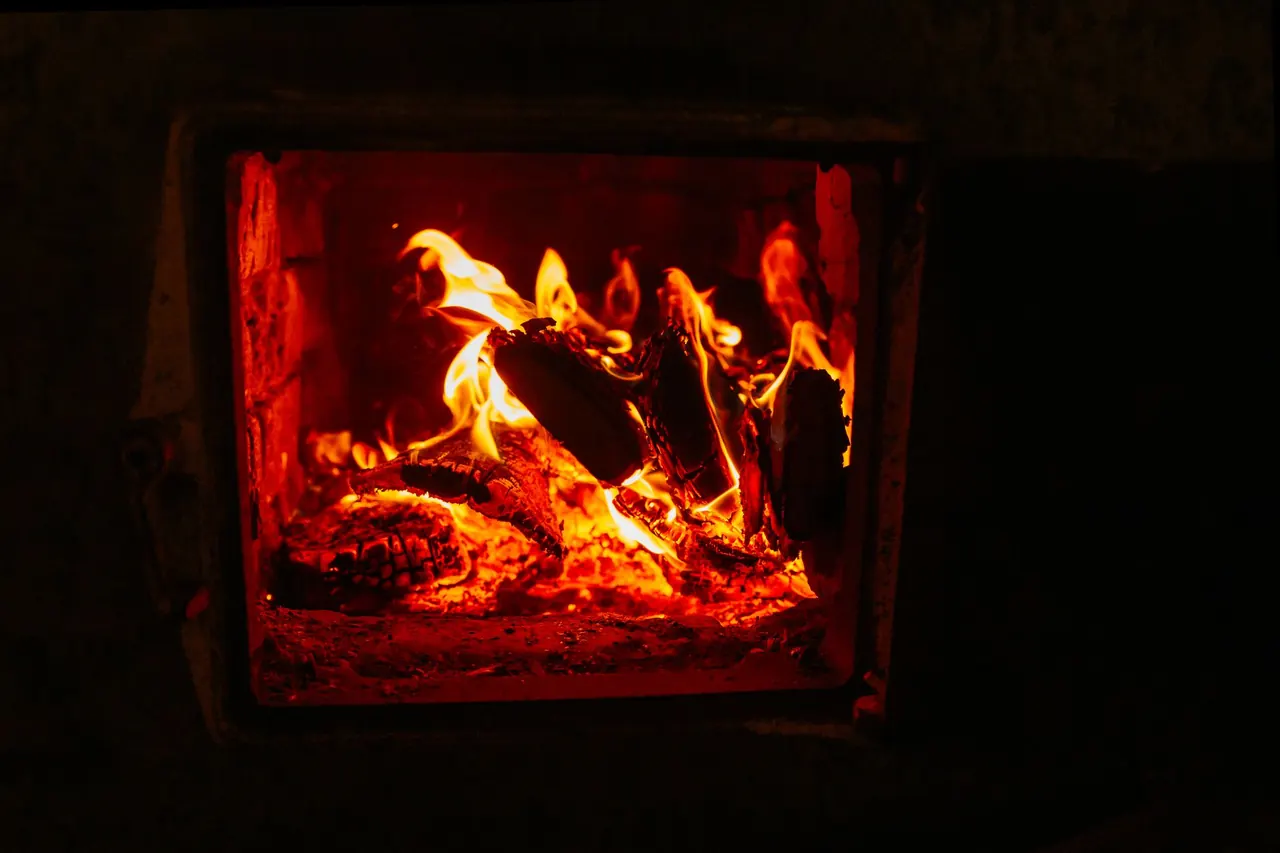
Rural Allen County properties often heat with propane. We service propane furnaces for ignition, gas valve, and combustion issues, and we check orifice sizing and manifold pressure so your propane furnace burns clean through a Lima winter.
View service
Total heat loss at 2 a.m. is an emergency in an Ohio January. We run 24/7 emergency gas furnace repair Lima OH dispatch for no-heat calls, and our techs carry igniters, sensors, and control boards so most emergencies end with heat restored the same night.
View service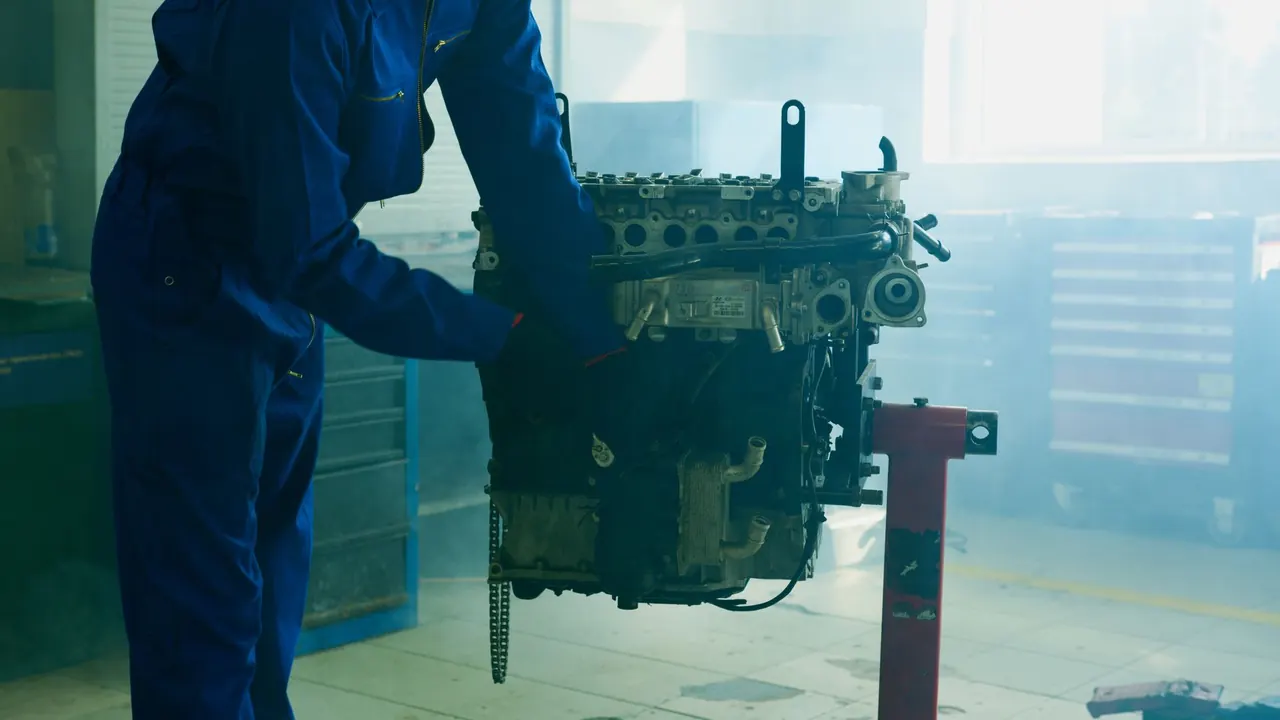
Call before 2 p.m. and we aim to have a tech at your door the same day. Same-day gas furnace repair in Lima covers diagnostics, common part swaps, and safety checks, so you are not sleeping under blankets waiting for a Monday appointment.
View service
Reach us any hour at (419) 287-8289. We answer live calls overnight and on weekends, and most repairs in Lima and Allen County get a tech on site the same day. Tell us what your furnace is doing and we will give you a straight answer and an arrival window.