Focused arrival windows
Useful updates and clear arrival timing.
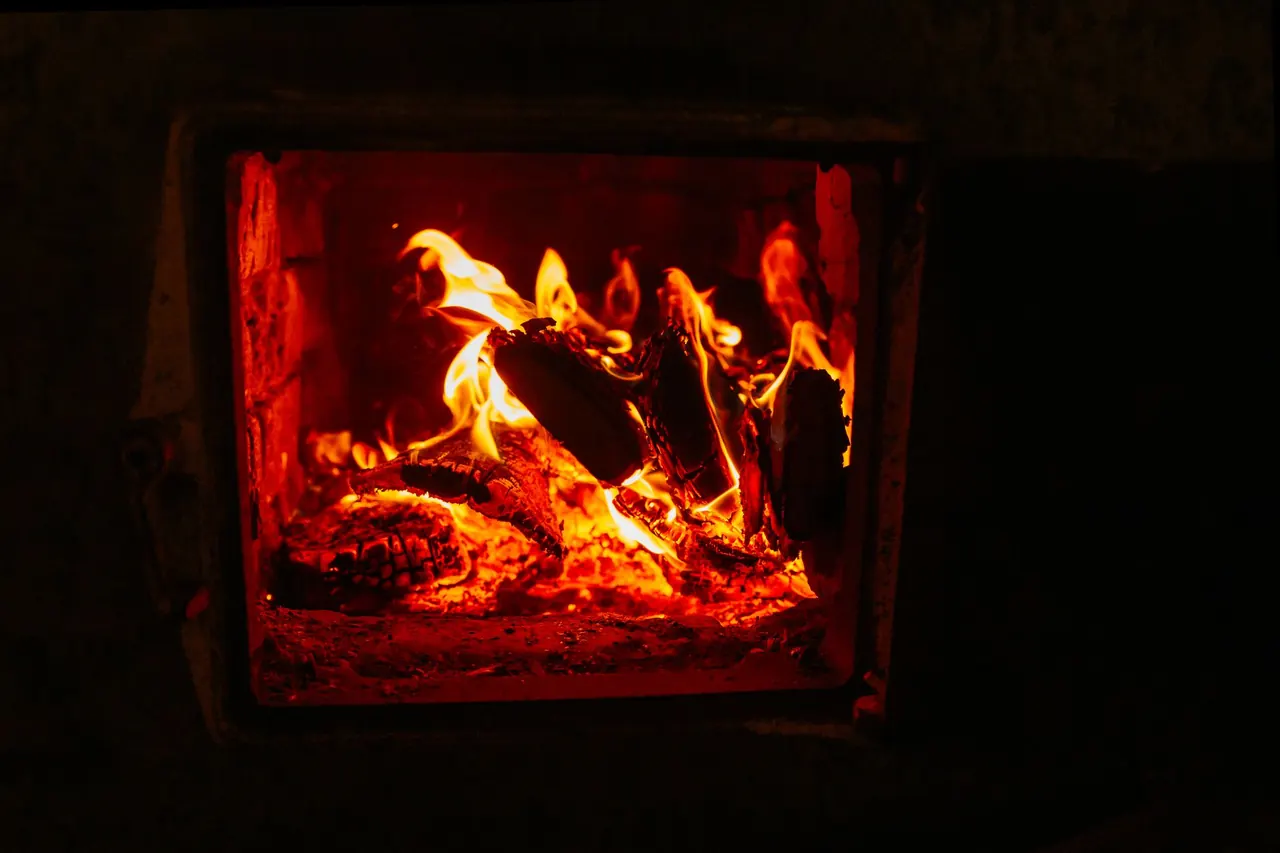
When your heat quits in October, furnace pilot light repair Lima OH gets the flame back and keeps it lit. We serve homeowners and small commercial buildings across Lima, Ohio and Allen County. Our techs test the thermocouple, flame sensor, and gas valve, then run a full ignition cycle before we leave. Call (419) 287-8289 and we will tell you what it will take to get your heat back.
Useful updates and clear arrival timing.
Review the approach and price before deciding.
Equipped vehicles and respectful cleanup.
Neighbors serving neighbors with follow-through.
Every pilot call covers the diagnostic, the safety circuit test, and a full ignition cycle. Parts are quoted separately if they are needed, and we tell you the price before we install anything.
We test the thermocouple output under load, check the flame sensor signal, and read gas pressure with a manifold gauge set. This tells us whether the pilot failure is the thermocouple, the orifice, or the gas valve.
If the thermocouple or flame sensor has failed, we replace it with a Honeywell or White-Rodgers part matched to your furnace. The old part is left with you so you can see what failed.
A dirty pilot orifice is a common cause of a weak or yellow flame. We remove and clean the orifice, then set the flame so it properly engulfs the thermocouple.
After the repair we run three full ignition cycles and watch the pilot, the main burners, and the flame sensor signal. We also check temperature rise against the data plate to confirm the furnace is running to spec.
We inspect the heat exchanger, limit switches, and inducer motor while the furnace is open. If we find a cracked heat exchanger or a tripped limit switch, we tell you before the furnace goes back into service.
A clogged furnace filter causes limit switch trips and short cycling, which can look like a pilot problem. We check your filter and swap it if it is loaded, so the repair actually holds.
Share what is happening and receive a clear next step from the local team.
Furnace pilot light repair Lima OH is the trade of diagnosing and restoring a standing pilot flame on a gas furnace, then correcting whatever keeps putting it out. On a standing-pilot system, the flame heats a thermocouple or flame sensor that tells the gas valve it is safe to open. When that signal drops, the valve closes and you get no heat. We test the thermocouple with a thermocouple tester, check the flame sensor with a flame sensor tester, and read gas pressure with a manifold gauge set. If the pilot lights but dies within seconds, the problem is usually the safety circuit, not the flame itself.
Lima sits in a cold pocket of Allen County, and October is when we start getting the first no-heat calls. Older homes near downtown and in the 45801 and 45804 ZIP codes still run standing-pilot furnaces from Carrier, Trane, and Lennox, and a pilot that keeps going out is the first sign of a tired thermocouple. If you are searching for furnace pilot repair near me Lima, that usually means the flame will not hold at all. We also see it in rentals and small shops where the furnace sat all summer and the pilot orifice collected dust. A furnace pilot light repair in Lima OH near me call is almost always same-day.
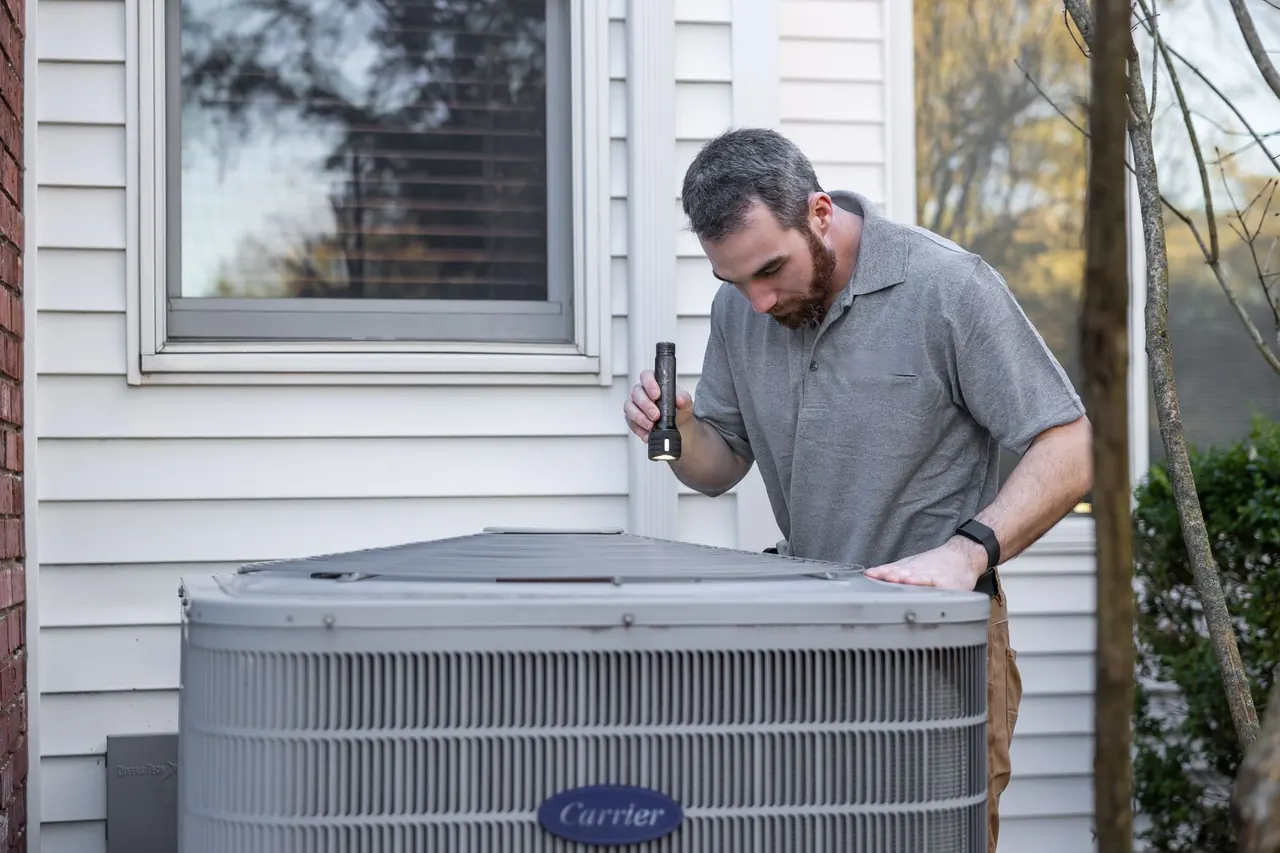
We ask what the furnace is doing: no flame, flame that dies, or no heat at all. That tells us whether to bring a thermocouple, a flame sensor, or a control board. You get a two-hour arrival window, and we call when we are on the way. If it is below freezing, tell us and we move you up the list.
We pull the burner door, inspect the pilot assembly, and test the thermocouple with a thermocouple tester. A reading under 20 millivolts under load means the thermocouple is failing. We also check gas pressure with a manifold gauge set and look for a dirty pilot orifice. This takes 20 to 30 minutes.
Most jobs are a thermocouple or flame sensor replacement, plus a pilot orifice cleaning. We use Honeywell and White-Rodgers parts that match your furnace brand. If the gas valve or control board has failed, we show you the failed part and quote the replacement before we install it. No surprises.
After the repair we run the furnace through three full ignition cycles. We watch the pilot light, confirm the main burners carry over, and check the flame sensor signal with a multimeter. Then we let it run 15 minutes and check the temperature rise against the data plate. If it short cycles, we find out now.
Before we leave we show you what failed, what we replaced, and how to shut the furnace down if you ever smell gas. We check your furnace filter and swap it if it is clogged, because a dirty filter causes limit switch trips and short cycling. You get the old part and a written summary of the work.
Reads the millivolt output of a standing-pilot thermocouple under load, which tells us whether it is strong enough to hold the gas valve open.
Measures the microamp signal on intermittent-ignition furnaces so we know whether the sensor is reading the flame correctly or needs cleaning or replacement.
Checks inlet and manifold gas pressure against the furnace data plate, which matters on propane systems and older natural gas furnaces in Lima.
Tests control board outputs, gas valve voltage, and limit switch continuity so we can pinpoint an open safety circuit instead of replacing parts blindly.
Verifies combustion after a pilot or burner repair, checking carbon monoxide and oxygen levels to confirm the furnace is burning clean.
Lets us look inside the heat exchanger and flue passages without a full teardown, so we can check for cracks during a pilot repair.
Measures blower motor and inducer motor amp draw to confirm they are running within spec and not tripping the limit switch.
Our technicians follow NATE testing standards for gas furnace ignition and safety circuits. That means we test thermocouple output, flame sensor signal, and gas pressure in a set order, so nothing gets missed on a no-heat call.
After any pilot or ignition repair we measure temperature rise across the heat exchanger and compare it to the data plate. If it is off, we check airflow, the filter, and the blower before calling the job done.
Our techs hold EPA Section 608 certification, which covers safe handling of regulated substances and combustion-side work. It is part of how we keep every gas call code-correct and safe.
We work under an Ohio HVAC license and follow OSHA safety compliance on every combustion job. Gas work is not a place to cut corners, and our process reflects that from the first test to the final ignition cycle.
We come out, clean the pilot orifice, test the thermocouple, and check the gas valve. Summer dust and spider webs in the pilot assembly are common after months of no use. Heat back the same day, usually within 90 minutes of arrival, and a furnace that is ready for the heating season.
Leave the house and call us from outside. We treat every gas smell as an emergency, shut the gas off, and test the valve, pilot assembly, and connections before we relight anything. A safe, tested furnace or a clear answer about what needs to be replaced before it can run again.
We schedule around the tenant, diagnose the thermocouple and gas valve, and repair the cause. We document the work so you have a record for the property file. A tenant with heat, a documented repair, and fewer after-hours calls for the same furnace.
We test the ignition system, check the flame sensor, and look at the limit switch and filter. Short cycling after a pilot repair usually means airflow or a limit issue, not the pilot itself. Full heating cycles, even temperatures, and a furnace that runs to the data plate temperature rise.
We inspect the pilot assembly, test the thermocouple, and repair or replace what failed. We provide a written summary of the work for the buyer and the agent. A clear repair record, a furnace that passes reinspection, and no last-minute surprises at closing.
Lima's housing stock is a mix of older homes with standing-pilot furnaces and newer builds with intermittent ignition. In the 45801 and 45804 ZIP codes near downtown, we still see plenty of Carrier, Trane, and Lennox standing-pilot units from the 1990s, and their pilot assemblies are the first thing to fail when fall arrives. Allen County winters swing hard, and a thermocouple that reads marginal in October will drop out in January. That is why we test millivolt output under load instead of just looking at the flame. If you need furnace pilot light repair Lima Ohio on a cold weekend, we keep emergency slots open. We also see propane systems on the edges of the county, and those need the manifold pressure set to the data plate, not guessed. Our trucks carry the thermocouples, flame sensors, and pilot orifices that match the brands we see most, so most furnace pilot light repair in Lima OH near me calls are finished in one visit.
Older housing with standing-pilot furnaces and original gas piping. Pilot assemblies here often need orifice cleaning and thermocouple replacement.
A lot of rental properties with furnaces that sit unused in summer. Dust in the pilot orifice is the most common no-heat cause we find here.
Mix of older and newer homes. We see both standing pilots and hot-surface igniters, so we diagnose the ignition type before quoting parts.
Newer builds with intermittent-ignition furnaces. Flame sensor faults are more common than standing-pilot failures in this area.
Cold, exposed homes where a weak thermocouple drops out first. We test under load and replace anything reading below 20 millivolts.
A marginal thermocouple that works in mild weather will fail when the furnace runs constantly. We test under load so the repair holds through the coldest week.
Older homes in central Lima often have pilot assemblies that need cleaning and gas pressure verification. We check both before we call the job done.
Dust, spider webs, and corrosion collect in the pilot orifice over the off-season. That is why October brings a wave of no-light calls, and why we clean the orifice on every pilot repair.
Propane furnaces need different manifold pressure settings than natural gas. We set pressure to the data plate and verify combustion with an analyzer.
A homeowner in Cercado de Lima had a Carrier furnace whose pilot lit but died within 10 seconds. They had relit it four times over two days and the house was down to 60 degrees. The thermocouple was reading 12 millivolts under load, well below the 20 millivolts needed to hold the gas valve open.
We replaced the thermocouple with a Honeywell part, cleaned the pilot orifice, and set the flame to a sharp blue. The furnace ran three full ignition cycles and held. Temperature rise came in at 42 degrees, within the data plate range.
Maintenance: Check your furnace filter monthly and have the pilot assembly cleaned each fall. A thermocouple typically lasts three to five years, so note the replacement date for next season.
A rental in Breña had a York furnace that would not light after sitting all summer. The pilot orifice was packed with dust and spider webs, and the flame was yellow and lazy. The tenant had no heat and the landlord was getting calls every night.
We cleaned the pilot orifice and burner assembly, verified gas pressure with a manifold gauge set, and replaced the flame sensor as a precaution. The furnace lit on the first try and ran full cycles. No repeat calls that season.
Maintenance: Have the furnace started up in early fall before tenants need heat. A 30-minute tune-up in September prevents most October no-heat calls.
A homeowner in San Martín de Porres had a furnace whose pilot stayed lit but the main burners never opened. A previous visit had only relit the pilot. The gas valve was not opening even with 24 volts at the terminals, and the furnace was blowing cold air.
We tested valve voltage with a multimeter, confirmed the valve had failed, and replaced it with a White-Rodgers valve matched to the furnace. The burners carried over immediately, and temperature rise checked out at 45 degrees.
Maintenance: If the pilot lights but you get cold air, stop relighting and call for a gas valve test. Annual service catches valve issues before they leave you without heat.
A pilot that will not light, will not stay lit, or lights and dies is the same call for us. Here are the failures we see most in Lima and how we handle them.
No heat, and the house drops fast on a cold Lima night. If you smell gas, leave the house and call from outside. We check gas supply, test the gas valve, and inspect the pilot orifice for debris. If the thermocouple is dead, we replace it and test the full ignition cycle before we leave. Most no-light calls are fixed in one visit.
The furnace never reaches the main burners, so you get cold air from the vents and a furnace that short cycles. This is almost always a weak thermocouple or a flame sensor out of spec. We test the millivolt output under load and replace the failed part. We also check the pilot flame position so it engulfs the thermocouple properly.
You relight it, it runs, then it quits again. Repeated relights mask a failing safety circuit and can leave you without heat when you are away. We test the thermocouple, clean the orifice, and check the gas valve and control board. If the safety circuit is opening intermittently, we find it with a multimeter and fix the actual cause instead of just relighting.
The blower runs but the burners never carry over, so the house stays cold and the furnace cycles on the limit switch. We test the ignition system and gas valve, confirm the burners light, and check the flame sensor signal. If the blower motor or limit switch is the real problem, we diagnose it and quote the repair.
A yellow flame does not heat the thermocouple enough, so the pilot drops out. It also points to incomplete combustion and possible carbon buildup. We clean the pilot orifice and burner assembly, check gas pressure with a manifold gauge set, and set the flame to a sharp blue. Then we verify the thermocouple reading and run the furnace through full cycles.
$150 - $850 depending on scope
Typical 2026 pricing for furnace pilot light repair in Lima runs $150 to $400 for a diagnostic, thermocouple or flame sensor replacement, and a full ignition test. If the gas valve or control board has failed, expect $400 to $850. We quote the price before we start, and the diagnostic fee is credited toward the repair when you approve the work. Affordable furnace pilot repair Lima Ohio means honest pricing, not cheap parts. We use OEM-matched thermocouples and flame sensors so the repair lasts.
You are paying for a diagnosis, not a guess. We test the safety circuit, replace only the failed part, and run full ignition cycles before we leave. That is what keeps the pilot lit and keeps you from paying for the same call twice.
Parts for older Carrier, Trane, and Lennox standing-pilot furnaces are usually in stock. Some discontinued control boards take longer to source and cost more, and we tell you that before ordering.
A thermocouple or flame sensor replacement is the low end of the range. A gas valve, control board, or inducer motor pushes the job higher. We show you the failed part and quote the replacement before installing it.
A furnace in a closet or basement is quick to work on. A unit in a tight attic or behind finished walls takes longer, and that labor shows up in the price. We tell you on the phone if access will affect the quote.
Emergency furnace pilot light repair Lima OH is priced the same as a daytime visit. We do not add a night or weekend surcharge just because the pilot picked a bad time to quit.
If we find a cracked heat exchanger, a tripped limit switch, or a failing blower motor during the pilot repair, we quote that work separately. You decide what to do and when.
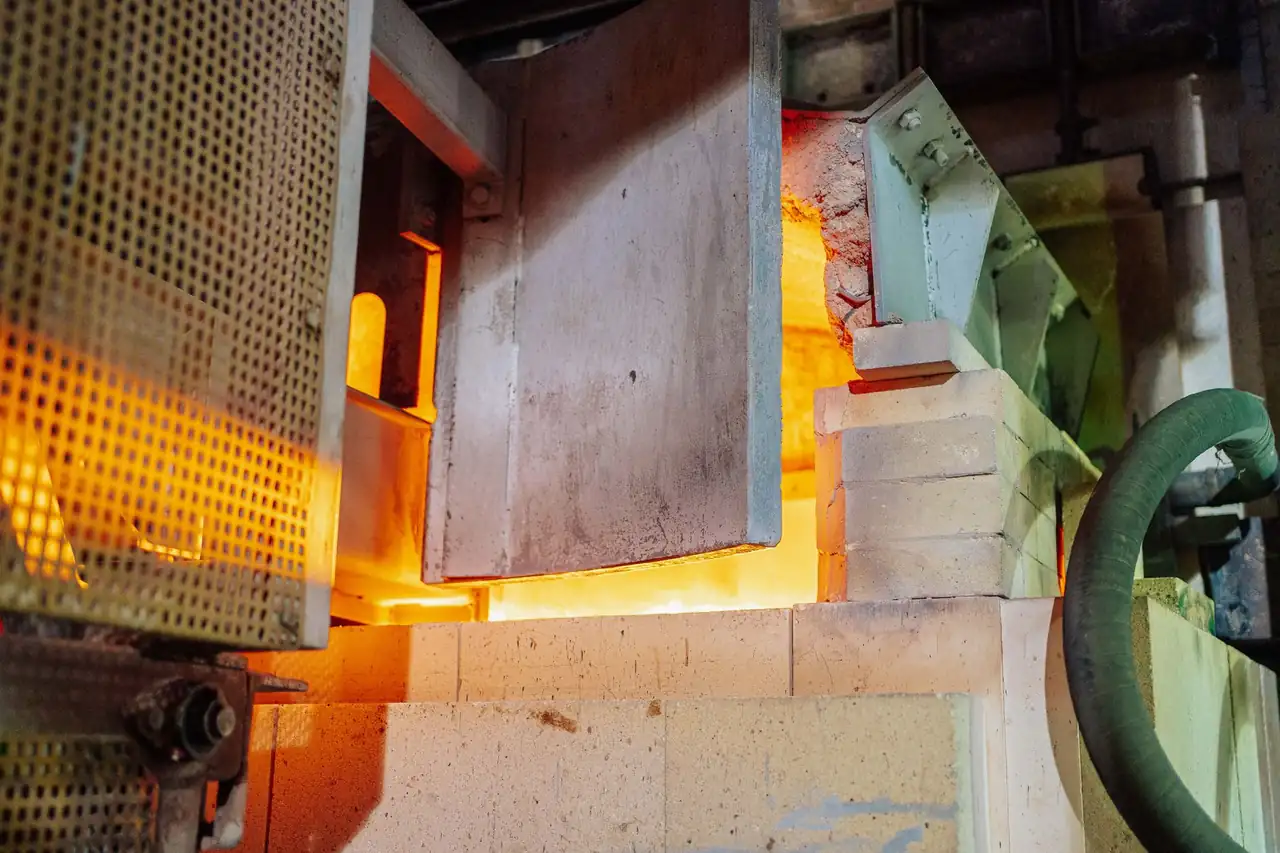
Our technicians work on standing-pilot and intermittent-ignition furnaces every week across Lima and Allen County. We hold NATE certification and EPA Section 608, and we carry an Ohio HVAC license. That matters because a pilot problem on a 1990s Carrier furnace is a different diagnosis than a failed hot-surface igniter on a 2018 Goodman. We keep thermocouple testers, flame sensor testers, combustion analyzers, and clamp meters on every truck. We also stock igniters, flame sensors, thermocouples, limit switches, and gas valves for the brands we see most: Carrier, Trane, Lennox, Goodman, Rheem, Bryant, York, and Amana.
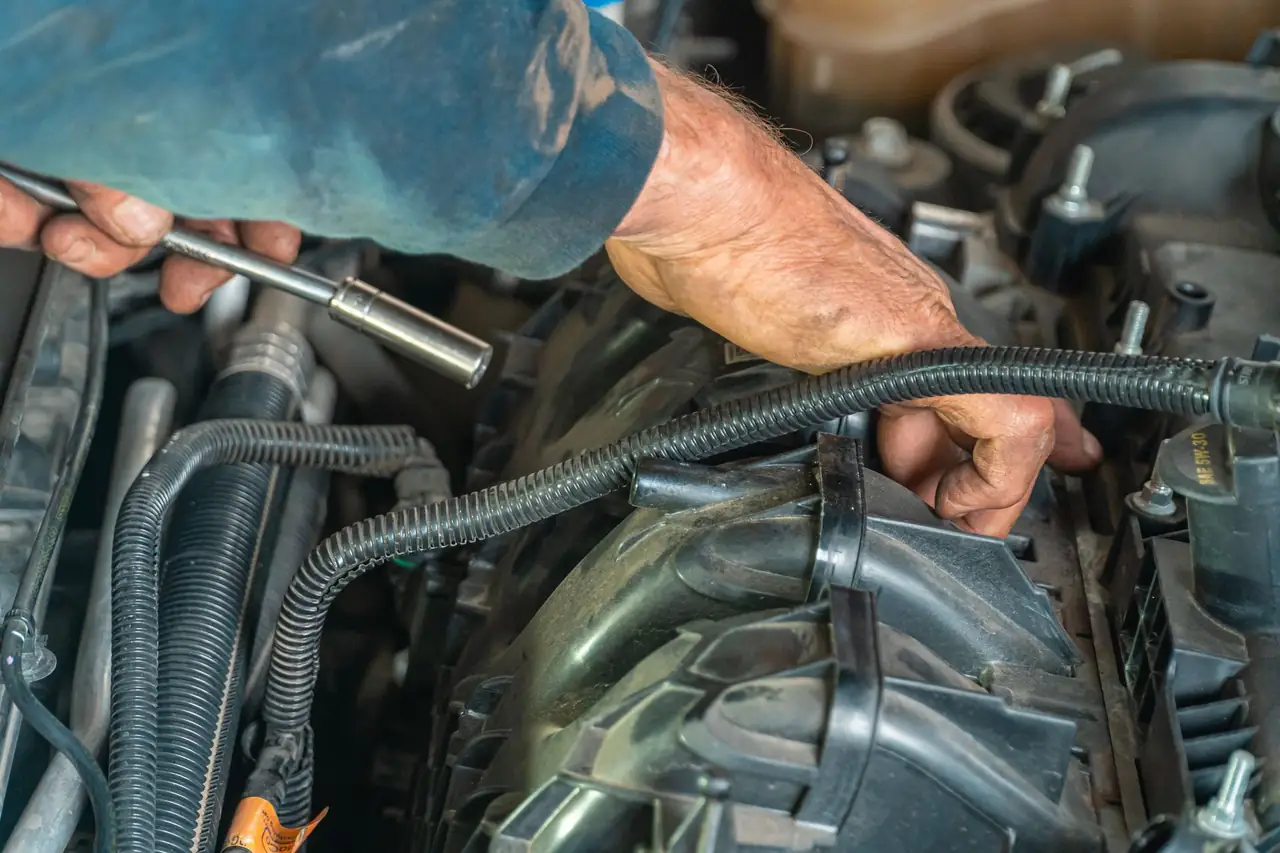
Our old Carrier furnace pilot would not stay lit, and the house was down to 58 degrees. The tech tested the thermocouple, showed me the low millivolt reading, and swapped it in about an hour. He also cleaned the pilot orifice and checked the heat exchanger. Heat was back the same afternoon and it has held all month.
I manage three rentals and one of the York furnaces kept losing its pilot. Lima Furnace Repair Pros came out, found a dirty orifice and a weak thermocouple, and fixed both. They documented everything for the tenant file and the price matched the quote. I have used them on two other units since.
Called at 9 p.m. when the pilot went out and the temperature was dropping. They answered, gave me a price, and had a tech here within two hours. He relit the pilot, tested the gas valve, and ran three ignition cycles before leaving. No extra charge for the late call. That is why I saved their number.
Most furnace pilot light repairs in Lima run $150 to $400 in 2026, including the diagnostic, a new thermocouple or flame sensor, and the ignition test. If the gas valve or control board has failed, expect $400 to $850. We quote the price before we start, and the diagnostic fee is credited toward the repair when you approve the work.
We do. Lima Furnace Repair Pros handles furnace pilot repair in Lima for standing-pilot and intermittent-ignition systems. Our techs are NATE-certified and carry an Ohio HVAC license. We work on Carrier, Trane, Lennox, Goodman, Rheem, Bryant, York, and Amana furnaces, and we stock the thermocouples and flame sensors those units use. Call (419) 287-8289.
A pilot that keeps going out in Lima is almost always a weak thermocouple, a dirty pilot orifice, or a flame sensor that has drifted out of spec. Cold weather makes a marginal thermocouple fail faster. We test the millivolt output under load, clean the orifice, and replace the failed part so the flame holds through the whole heating season.
You can relight a standing pilot if you follow the lighting instructions on the furnace door and you smell no gas. If the flame will not hold after two tries, stop and call us. A pilot that dies repeatedly points to a failed thermocouple or a gas valve issue, and those need a licensed tech. Call (419) 287-8289.
Not seeing your question? Our local team can help you understand urgency, scheduling and what to expect.
Ask the local team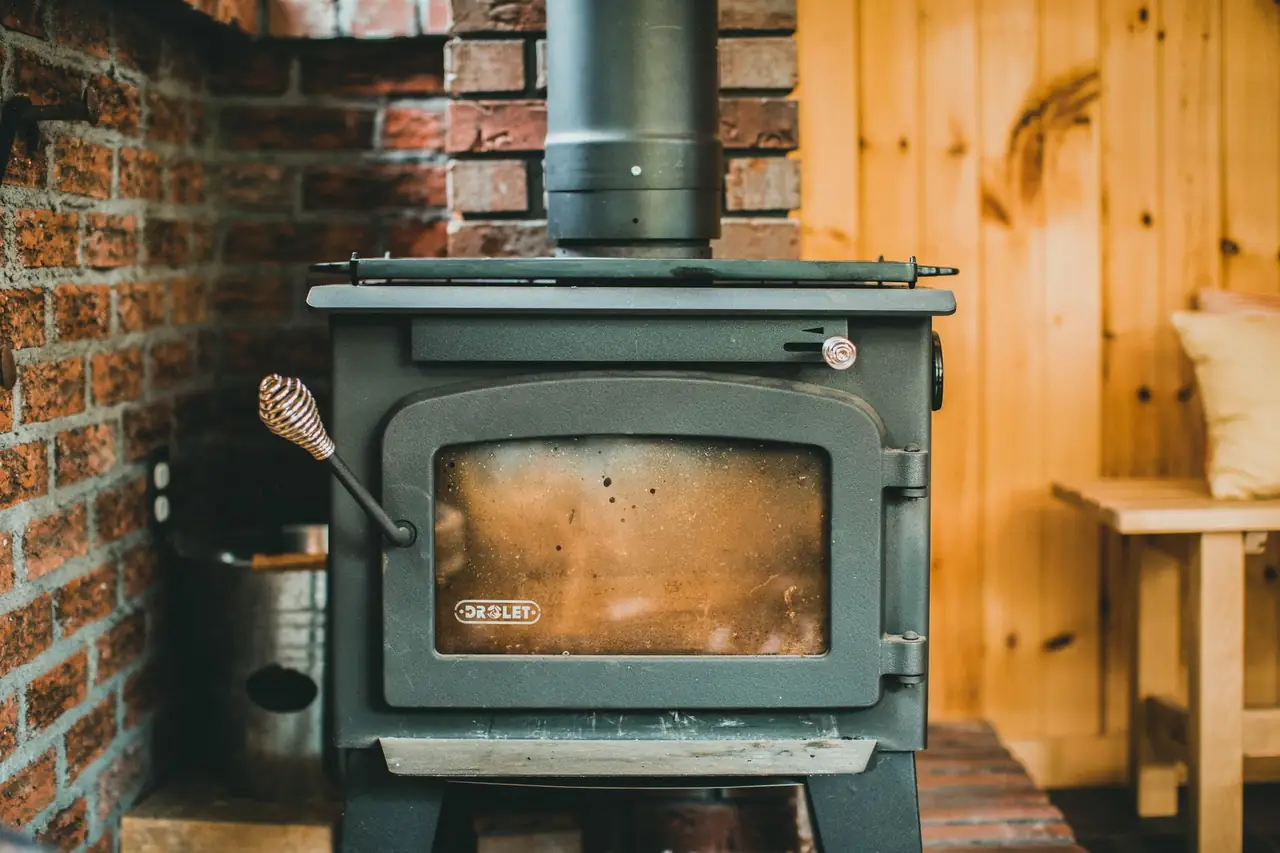
Pilot problems are often the first symptom of a larger gas-side issue. We diagnose the pilot, gas valve, and burners together so you are not paying twice for the same no-heat call in Lima.
View serviceIf your home has an electric furnace, there is no pilot to relight, and the no-heat cause is usually a failed igniter, sequencer, or element. We handle both fuel types, so you get the right diagnosis the first time.
View service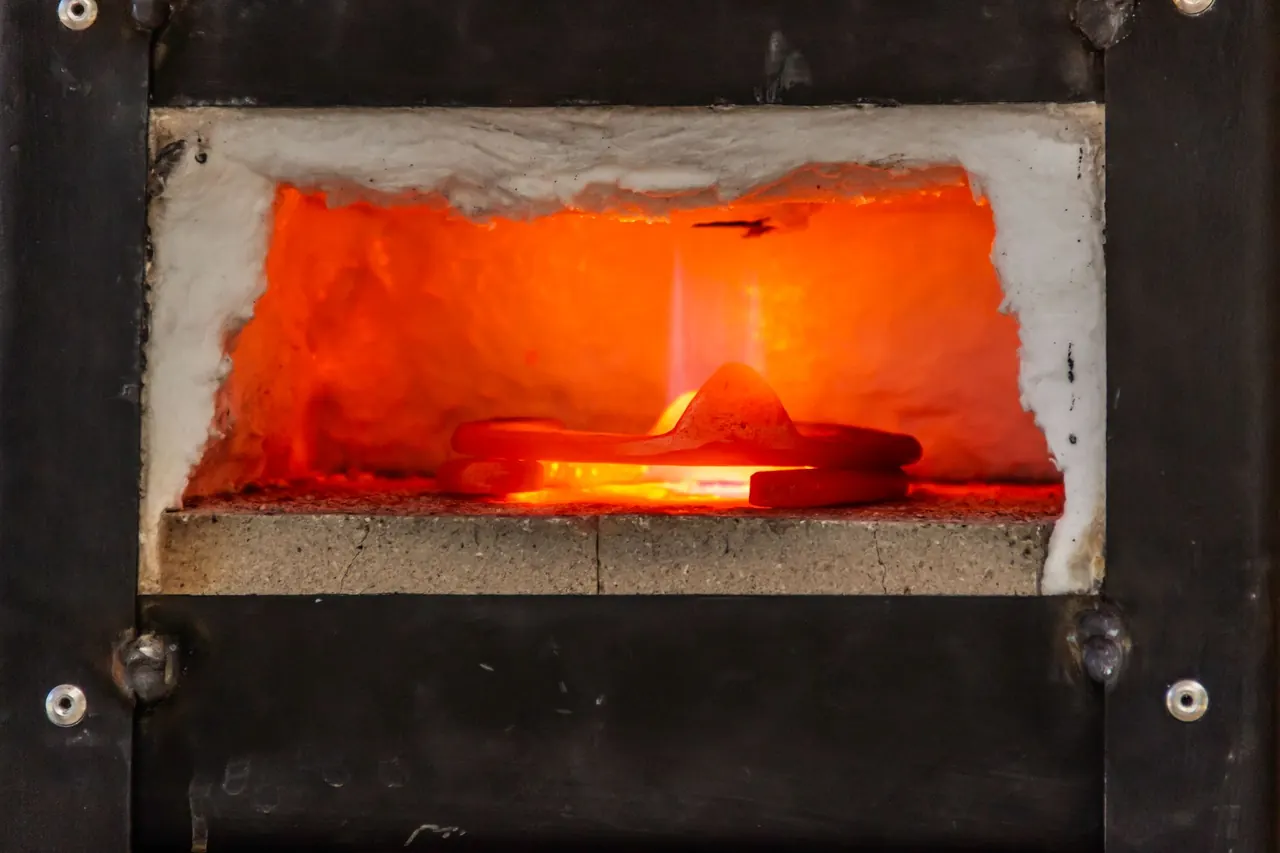
Propane standing-pilot systems in rural Allen County need different gas pressure settings than natural gas. We set the pilot and manifold pressure to the data plate spec so the flame holds and the burners run clean.
View serviceWhen the pilot goes out at 2 a.m. and the house is dropping, we answer. Emergency pilot and no-heat calls are handled 24/7 across Lima, with the same pricing as a daytime visit.
View service
Reach us any hour at (419) 287-8289. We answer live calls overnight and on weekends, and most repairs in Lima and Allen County get a tech on site the same day. Tell us what your furnace is doing and we will give you a straight answer and an arrival window.