Focused arrival windows
Useful updates and clear arrival timing.
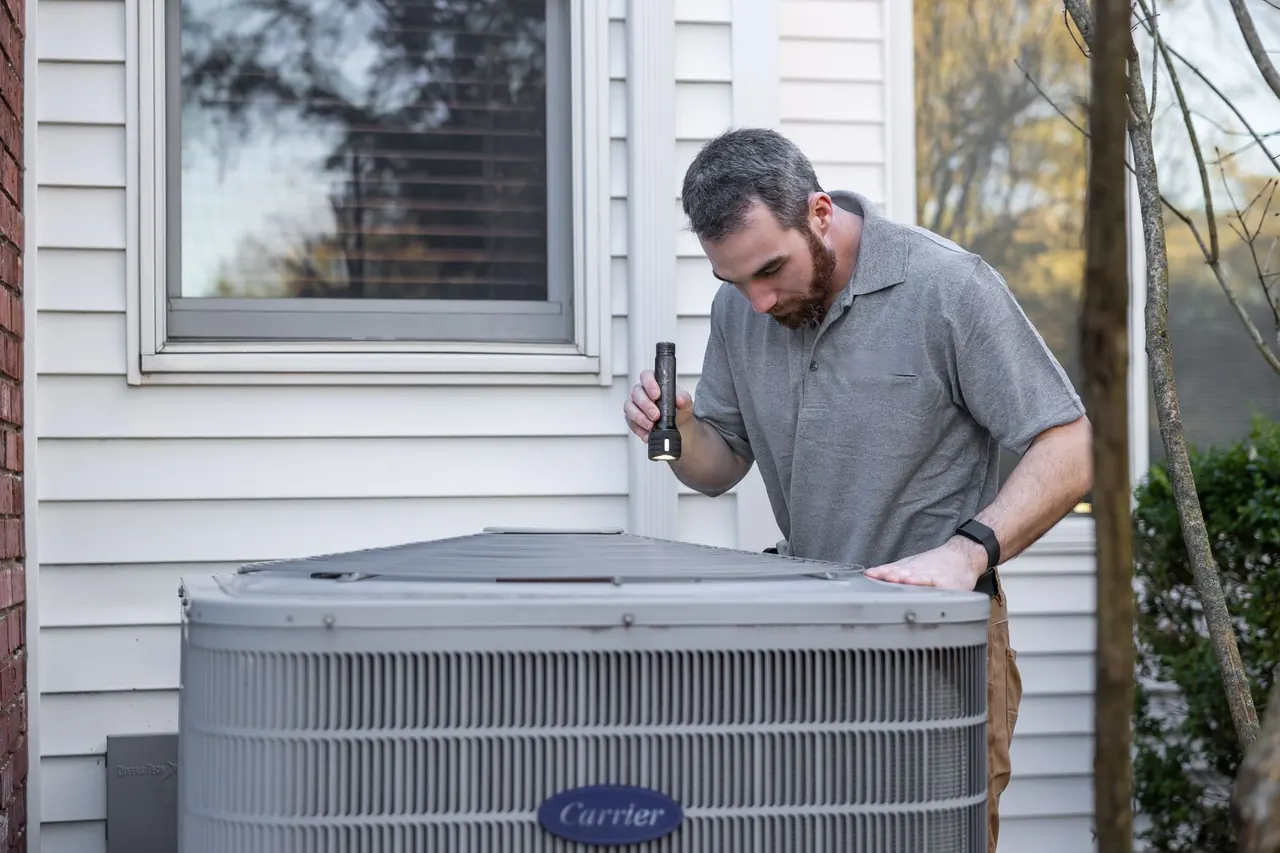
When your furnace clicks but never lights, furnace ignition repair Lima OH is the fix that ends the cold. We test the igniter, flame sensor, and control board with a multimeter and combustion analyzer, then replace only what failed. Whether you're in 45801 or 45805, our technicians handle Carrier, Trane, Lennox, and Goodman systems daily. Most no-heat calls are back running the same visit.
Useful updates and clear arrival timing.
Review the approach and price before deciding.
Equipped vehicles and respectful cleanup.
Neighbors serving neighbors with follow-through.
Every ignition call covers the full light-up sequence, not just the part you called about. Here's what's included in the standard diagnostic and repair, and what we treat as an add-on only if you approve it.
We run the furnace through its call-for-heat sequence and watch the inducer, pressure switch, igniter, gas valve, and flame sensor in order. That tells us exactly where the sequence breaks instead of guessing at the part.
A multimeter checks the igniter for the resistance range your furnace expects. A cracked or shorted element reads out of spec, and we show you the reading before we replace it.
The flame sensor gets cleaned with steel wool and tested for microamp output. If it won't hold a steady reading, we replace it. Dirty sensors cause the same lockout as a bad igniter.
We confirm the board is sending 120 volts to the igniter circuit. If it isn't, the board is the problem, not the igniter. This step prevents you from paying for a part you didn't need.
A combustion analyzer reads the flue gas for carbon monoxide and efficiency. We verify CO stays under 9 ppm and check the heat exchanger for cracks before we call the job complete.
Every igniter, flame sensor, and control board we install is warrantied for one year. If the same part fails next season, the replacement is on us, including the labor to swap it.
Share what is happening and receive a clear next step from the local team.
Furnace ignition repair Lima OH is the diagnostic and replacement work that restores the spark or hot-surface element lighting your gas burners. Modern furnaces don't use a standing pilot; they use a silicon nitride or carbide igniter that glows orange at roughly 1,800 to 2,500 degrees Fahrenheit, or a spark electrode that fires at the burner. When that part cracks, shorts, or drifts out of resistance spec, the control board locks out after three failed tries and your blower never gets the signal to push heat.
Lima winters hit single digits, and a furnace that won't fire turns a bad morning into a frozen-pipe emergency fast. If you're searching for furnace igniter repair near me Lima, the usual culprits are a cracked igniter from thermal stress, a dirty flame sensor reading false, or a control board that stopped sending 120 volts to the igniter. We see this most in older homes around Cercado de Lima and San Martín de Porres, where furnaces run hard from October through April.
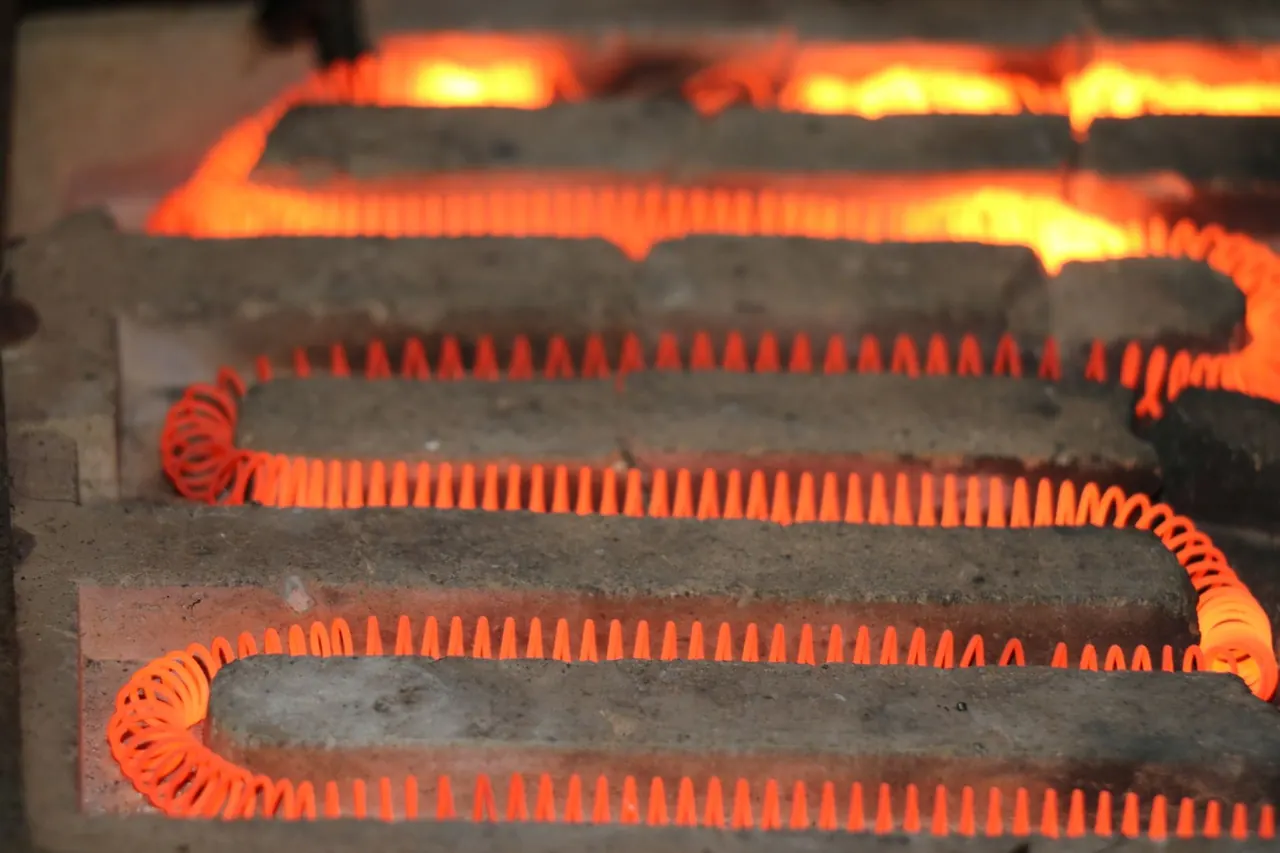
You describe the symptom: clicking with no light, short cycling, or cold air from the vents. We ask for your furnace brand and ZIP, then dispatch the closest tech. Most Lima calls get a two-hour arrival window, and emergency furnace ignition repair Lima OH requests get priority overnight.
The tech pulls the burner door, checks the igniter with a multimeter for resistance and continuity, then tests the flame sensor with a flame sensor tester. A clamp meter confirms the control board is sending voltage. This takes 20 to 30 minutes and tells us exactly which part failed.
We replace the failed igniter, flame sensor, or thermocouple with an OEM or universal part rated for your furnace. Gas valve and manifold connections get leak-tested with a manifold gauge set. Most swaps take 45 to 90 minutes depending on cabinet access.
After the part swap, we run a combustion analyzer on the flue, verify the flame sensor reads steady microamps, and check the limit switch and heat exchanger for cracks. If carbon monoxide reads high, we stop and walk you through options before anything else runs.
We cycle the furnace through three full ignition sequences to confirm it lights every time, then show you the old part and the readings. You get a written summary of what failed and what to watch for next season. Payment is due on completion, and the one-year warranty starts that day.
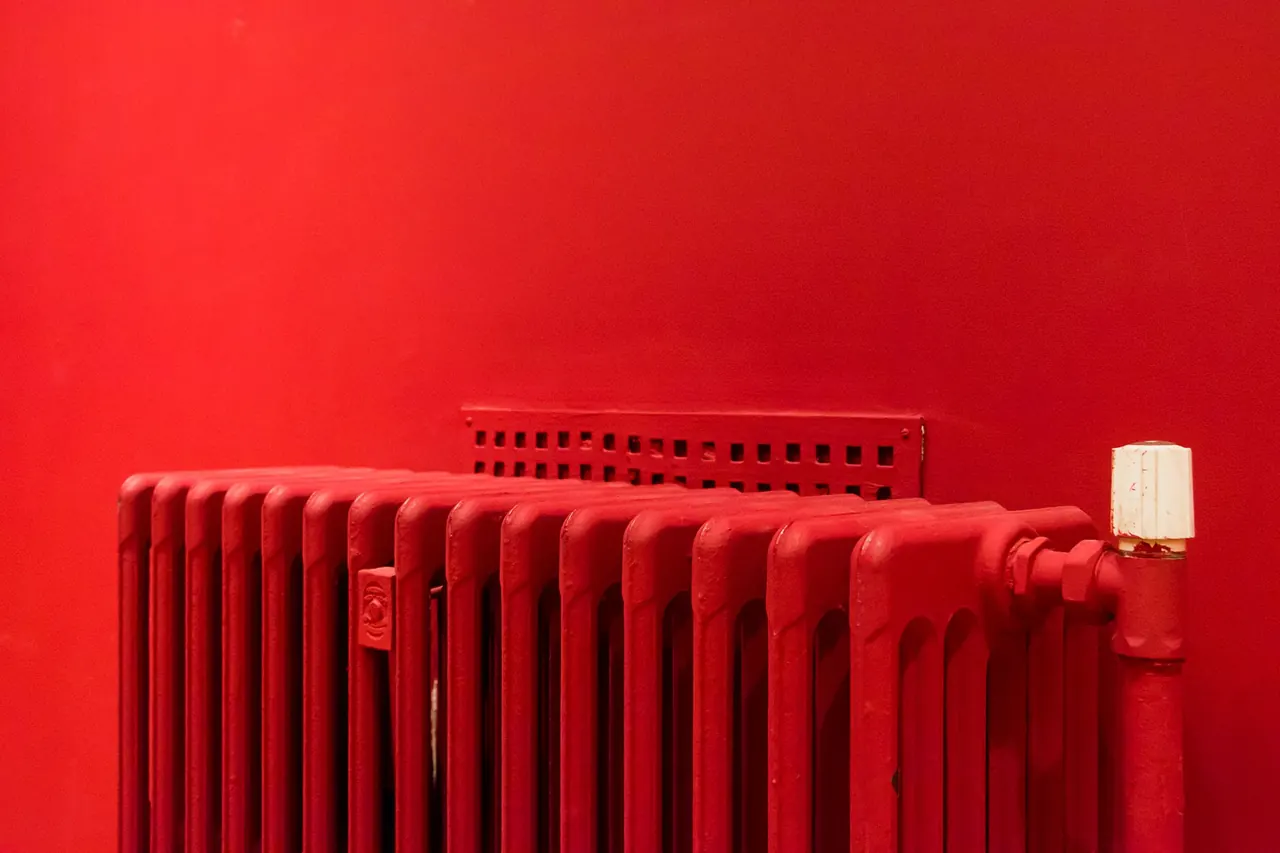
Reads igniter resistance and continuity, and verifies control board voltage output to the ignition circuit. This is the first tool out of the bag on every no-light call.
Measures the microamp signal the flame sensor sends back to the board. A reading below spec means the sensor needs cleaning or replacement.
Reads flue gas for carbon monoxide and combustion efficiency. We verify CO stays under 9 ppm before we call any ignition repair complete.
Checks gas manifold pressure and leak-tests connections after any gas valve or burner work. Essential when ignition problems trace back to fuel delivery.
Measures amp draw on the inducer motor and blower motor. A weak inducer won't prove draft, and the igniter never gets the signal to fire.
Lets us look inside the heat exchanger for cracks without pulling the whole cabinet. Important when ignition problems come with a CO reading above normal.
Used on older standing-pilot furnaces to check the thermocouple's millivolt output. If it won't hold a signal, the pilot won't stay lit.
We follow the furnace's call-for-heat sequence in order: thermostat, inducer, pressure switch, igniter, gas valve, flame sensor. The first step that fails is where we focus. This method prevents part-swapping and keeps your repair cost down.
Igniters and flame sensors have published spec ranges. We compare your part's readings to spec with a multimeter and flame sensor tester. If it's in range, we keep looking instead of replacing it.
Every ignition repair ends with a combustion analyzer reading and a heat exchanger inspection. We follow ACCA standards for combustion testing and OSHA safety compliance for gas appliance work.
We match the replacement igniter to your furnace brand and model, using OEM parts when available and universal kits when they meet spec. Carrier, Trane, Lennox, Goodman, Rheem, Bryant, York, and Amana are all stocked or readily sourced.
We dispatch an emergency ignition tech with igniters and flame sensors on the truck. The diagnostic takes about 20 minutes, and most repairs finish the same visit. Heat restored the same night, with a CO check to confirm the furnace is burning clean.
We prioritize rental no-heat calls and carry parts for Goodman, Rheem, and other common rental-grade furnaces. One trip usually covers diagnosis and repair. Tenant has heat, you have an invoice with the part and warranty documented for your records.
We test the board voltage and check for power surges or short cycling that's burning through igniters. Sometimes the fix is a board replacement, not another igniter. You stop paying for repeat igniter swaps and get a furnace that lights reliably through the season.
We treat gas smell as an emergency. The tech checks the gas valve, manifold connections, and igniter, then leak-tests with a manifold gauge set before restoring operation. Leak isolated and repaired, ignition restored, and the system verified safe before we leave.
Lima's climate drives ignition failures harder than most markets. We get single-digit overnight temps from December through February, and furnaces here run six to seven months a year. That thermal cycling cracks igniters faster than in milder regions. The housing stock matters too: a lot of Lima homes were built between 1920 and 1970, and the furnaces in those basements and closets are often older units with less clearance, which makes the repair slower but not impossible. We also see propane furnaces in the rural parts of Allen County, and those need a different orifice and igniter setup than natural gas. If you're searching for affordable furnace igniter repair Lima Ohio, the honest answer is that most jobs land between $180 and $420 because the part itself is inexpensive and the labor is straightforward once we've confirmed the diagnosis. We pull permits when a gas valve or control board swap requires it, and we follow Ohio HVAC license requirements on every gas-side repair.
Older housing stock with basement furnaces and tight clearances. Igniter swaps here often need the burner assembly pulled for access.
Mix of rentals and owner-occupied homes. We see a lot of Goodman and Rheem furnaces with flame sensor issues from dust and pet hair.
Newer construction with high-efficiency furnaces. Ignition faults here often trace to the control board rather than the igniter itself.
Larger lots and some propane systems. Propane ignition needs a different orifice and manifold pressure setting than natural gas.
Igniters cycle more often and crack faster. We stock extra igniters in winter and prioritize no-heat calls overnight.
Older cabinets have less clearance, so repairs take longer. We plan for an extra 30 minutes on these jobs and carry flexible tools.
Propane burns hotter and needs a different igniter and orifice setup. We carry both propane and natural gas parts on the truck.
Dirty flame sensors are common. We clean the sensor as part of every ignition repair and check the filter before we leave.
A homeowner in Cercado de Lima had a furnace clicking for two days with no light. The house was at 58 degrees, and the igniter read open on the multimeter. The flame sensor was also dirty and reading low microamps.
We replaced the igniter with an OEM part and cleaned the flame sensor. The furnace lit on the first try and held steady through three test cycles. House was back to 70 degrees within two hours of our arrival.
Maintenance: Change the filter every 60 days during heating season and have the flame sensor cleaned annually. A dirty sensor is the most common cause of repeat lockouts.
A landlord in San Borja had a tech replace the igniter twice in one winter. The furnace still wouldn't light. The board was sending intermittent voltage to the ignition circuit, which was burning out each new igniter.
We tested board output with a multimeter and found the voltage dropping under load. Replaced the control board, and the original igniter design held. No repeat failures in the following season.
Maintenance: If you've replaced an igniter twice in two years, ask for a board voltage test. Repeat igniter failures usually point upstream.
A family in San Martín de Porres called at 11 p.m. when the furnace quit and the house dropped below 60 degrees. The igniter had cracked from thermal stress during a cold snap.
We dispatched an after-hours tech with an igniter on the truck. Diagnosis took 20 minutes, replacement took 50. Heat was back before 1 a.m., and the CO reading was verified at 4 ppm.
Maintenance: Keep the area around the furnace clear and schedule a pre-winter tune-up in October. Most igniter failures show up on the first cold snap.
A furnace that won't light shows up in a few predictable ways. Here are the ones we see most in Lima and what happens if you let them ride.
The house loses heat fast, and pipes in crawl spaces or exterior walls can freeze within hours when overnight temps drop into the teens. We test the igniter with a multimeter and replace it if it's cracked or out of resistance spec. If the igniter is fine, we check board voltage and the gas valve. Most clicking-no-light calls are fixed in one visit.
Short cycling wears the igniter and board faster and leaves the house cold in cycles. It also points to a flame sensor that isn't proving flame. We clean or replace the flame sensor and verify microamp readings. If the sensor is fine, we check the board's flame-sensing circuit. This is one of the most common ignition-related lockouts we see.
No ignition attempt usually means the board isn't getting a signal from the pressure switch or limit switch, so the sequence never starts. We test the inducer motor, pressure switch, and limit switch for continuity and voltage. A tripped limit switch from restricted airflow gets reset after we check the filter and blower.
A burning smell on a new igniter is normal for the first hour, but soot or a persistent smell points to incomplete combustion or a cracked heat exchanger. We run a combustion analyzer and inspect the heat exchanger with an inspection camera. If CO reads high or the exchanger is cracked, we stop the repair and walk you through replacement options.
$180 - $700 depending on parts and timing
Typical 2026 pricing for furnace ignition repair Lima Ohio runs $180 to $420, including the diagnostic and the replacement igniter. A flame sensor cleaning is often under $150. If the control board also failed, expect $450 to $700. The diagnostic fee is credited toward the repair when you approve the work. We quote the range before we start, and we don't add line items after the fact. The part itself is inexpensive; most of the cost is the diagnostic time and the labor to access the igniter.
You're paying for a correct diagnosis, a part that matches your furnace, and a combustion safety check that confirms the system is burning clean. A cheap igniter swap that misses a failing board costs more in the long run.
OEM igniters for Carrier, Trane, and Lennox cost more than universal kits. We tell you which one your furnace needs and whether a universal part meets spec.
Older furnaces in tight basements take longer to open up. If we have to pull the burner assembly to reach the igniter, labor goes up by 30 to 45 minutes.
If the flame sensor, control board, or gas valve also failed, the repair cost rises. We test each part and quote the additional work before we proceed.
Overnight and weekend calls carry an emergency dispatch rate. We tell you the rate on the phone before we send a tech.
Gas valve and control board swaps sometimes require a permit in Allen County. We handle the paperwork and include the cost in the quote when it applies.
Our technicians work on gas, electric, and propane furnaces every week across Lima and Allen County. We carry NATE certification and EPA Section 608 credentials, and we keep up with ACCA standards for combustion testing. That means we know the difference between a failed igniter and a control board that stopped sending voltage, and we prove it with a multimeter and combustion analyzer before we quote you a part. We've diagnosed cracked igniters, dirty flame sensors, tripped limit switches, and bad blower motors in every furnace brand sold in this region.
Furnace was clicking for two days and blowing cold. The tech tested the igniter with a multimeter, showed me the crack, and had a replacement on the truck. Ninety minutes later we had heat. He also checked the flame sensor and the CO reading before he left. Fair price, no upsell.
Called at 6 a.m. when the furnace quit overnight. They had a tech at the house by 8:30. Turned out the control board stopped sending voltage to the igniter, not the igniter itself. He explained the difference and didn't just swap parts. Heat was back before noon.
I manage four rentals in Lima and use these guys for every no-heat call. They diagnosed a dirty flame sensor on one unit and a failed igniter on another in the same week. Both fixed same day. They know Goodman and Rheem systems well, which matters when you're turning units fast.
Most ignition repairs in Lima run $180 to $420 in 2026, including the diagnostic and the replacement igniter. A flame sensor cleaning is often under $150. If the control board also failed, expect $450 to $700. We quote the range before we start, and the diagnostic fee is credited toward the repair when you approve the work.
Lima Furnace Repair Pros repairs furnace igniters across Allen County, including ZIP codes 45801, 45804, and 45805. Our techs carry OEM and universal igniters for Carrier, Trane, Lennox, Goodman, Rheem, Bryant, York, and Amana furnaces. Call (419) 287-8289 and we'll dispatch the closest van, usually within a two-hour window.
The three most common causes are a cracked igniter from thermal stress, a dirty flame sensor reading false, and a control board that stopped sending 120 volts to the igniter. Lima's cold snaps make igniters work harder, so we see more failures in January and February. A multimeter test tells us which part failed in about 20 minutes.
No, a cracked or shorted igniter gets replaced, not repaired. The element is ceramic and can't be rewelded or patched. The good news is the part itself is inexpensive and the swap takes 45 to 90 minutes. We stock the common sizes on the truck, so most Lima homes get heat back the same day you call.
Not seeing your question? Our local team can help you understand urgency, scheduling and what to expect.
Ask the local team
Gas furnace repair covers the burners, gas valve, and manifold that your igniter lights. If your ignition repair reveals a sticking gas valve or a manifold pressure issue, we handle it in the same visit with a manifold gauge set.
View service
Electric furnaces use sequencers and heating elements instead of an igniter, but the control board logic is similar. If your electric furnace won't heat, we test the sequencer and element relays the same way we test an ignition circuit.
View servicePropane furnaces in rural Allen County need a slightly different igniter and orifice setup than natural gas. We stock both and adjust the manifold pressure for propane's higher BTU content so the flame sensor reads steady.
View service
When your furnace quits overnight and the house is dropping below 60 degrees, emergency furnace repair gets a tech out fast. Ignition failures are the number one after-hours call we run from November through March.
View service
Reach us any hour at (419) 287-8289. We answer live calls overnight and on weekends, and most repairs in Lima and Allen County get a tech on site the same day. Tell us what your furnace is doing and we will give you a straight answer and an arrival window.