Focused arrival windows
Useful updates and clear arrival timing.
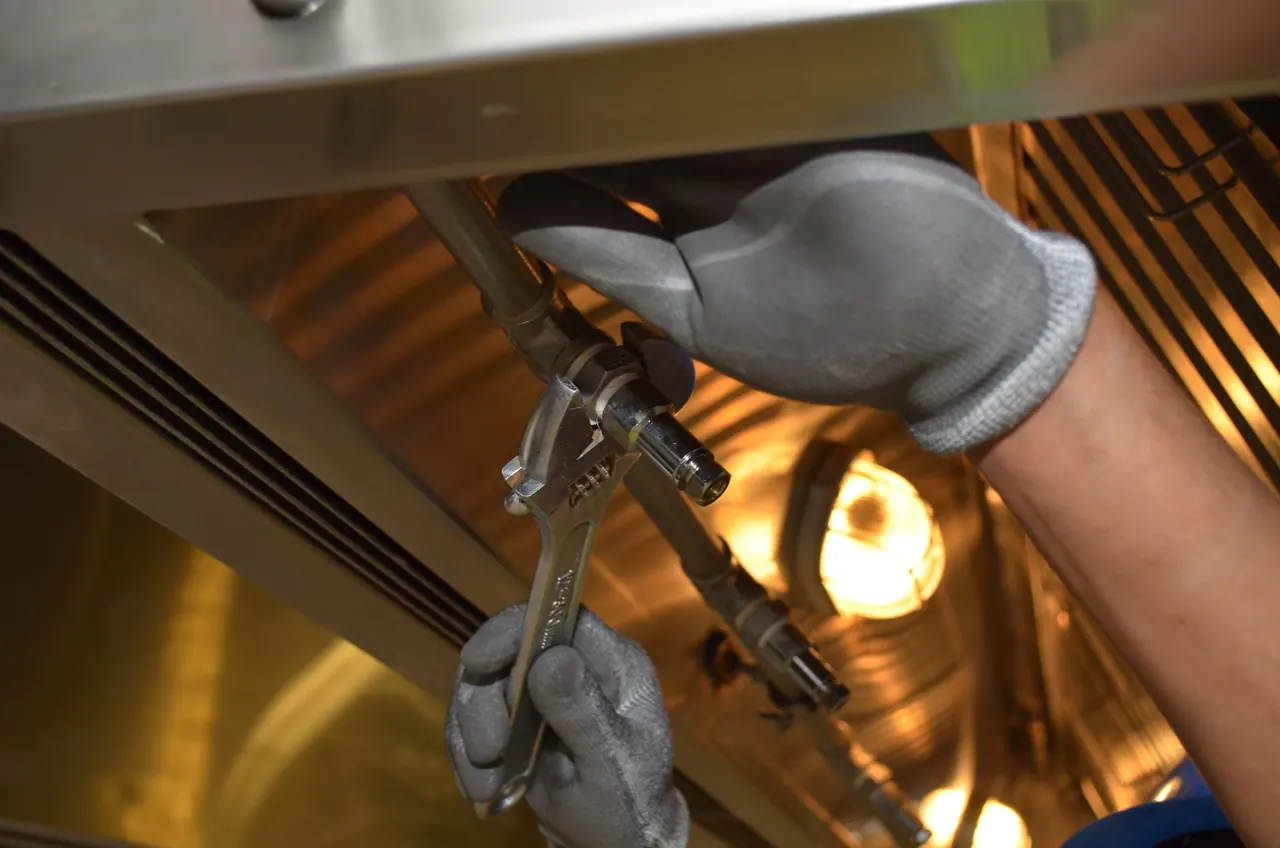
When your furnace lights and then quits a few seconds later, furnace flame sensor repair Lima OH is usually the fix. We test the sensor with a multimeter, clean or replace it, and confirm the burners stay lit through a full cycle. Our techs work on Carrier, Trane, Lennox, Goodman and Rheem systems across Lima and Allen County, and we carry common sensors on the truck so most homes are heating again the same visit.
Useful updates and clear arrival timing.
Review the approach and price before deciding.
Equipped vehicles and respectful cleanup.
Neighbors serving neighbors with follow-through.
Every flame sensor call starts with a full no-heat diagnostic, not just a parts swap. You get the test readings, the repair, and a verified heat cycle before we leave. If the problem turns out to be something other than the sensor, we tell you and quote that repair separately.
We run the ignition sequence, check the inducer motor, limit switch and gas valve, and read the flame sensor signal with a multimeter. This takes 20 to 30 minutes and confirms the sensor is actually the problem before any part is touched.
The rod comes out, gets cleaned with fine steel wool and contact cleaner, and goes back in. We log the microamp reading before and after so you can see the difference. Cleaning is the lower-cost option when the rod is still in good shape.
If the rod is pitted, cracked or reads under 1 microamp after cleaning, we install a new OEM sensor for your furnace brand. We stock common parts for Carrier, Trane, Lennox, Goodman, Rheem, Bryant, York and Amana units.
We inspect the igniters, thermocouples and wiring while the burner area is open. A weak igniter or loose connection can mimic a sensor failure, and catching it now saves you a second service call later in the season.
Before we leave, the furnace runs through three full ignition cycles with the sensor reading verified each time. You see the heat come on and stay on. We also note your furnace filter size and the next recommended service date.
Share what is happening and receive a clear next step from the local team.
Furnace flame sensor repair Lima OH is the diagnostic and repair work that restores the tiny rod your furnace uses to prove a flame is burning. The sensor sits in the burner flame and sends a microamp signal to the control board. When that signal drops, the board shuts the gas valve within seconds to prevent unburned gas from building up. We pull the sensor, test it with a flame sensor tester and multimeter, then clean or replace it and verify the reading holds through a full heating cycle.
Most Lima no-heat calls we run trace back to a dirty flame sensor, not a dead furnace. The rod collects carbon and silica film, the microamp signal falls below spec, and the burners shut off after 3 to 8 seconds. Homes in older Allen County neighborhoods with original ductwork see it more often because dust and debris get pulled past the burners. If you search furnace flame sensor repair near me Lima, that short flame-then-shutdown pattern is the symptom to describe when you call.

We ask how long the burners stay lit before shutting off. Three to eight seconds points hard at the flame sensor. You get a two-hour arrival window and a call when the tech is 20 minutes out. Most Lima addresses in 45801, 45804 and 45805 are same-day.
Before touching the sensor, we shut the gas valve, check for leaks at the manifold, and test the limit switch and inducer motor. This takes about 10 minutes and confirms the furnace is safe to work on. We wear boot covers and lay drop cloths at the work area.
We pull the flame sensor and read it with a multimeter and flame sensor tester. A reading below 2 microamps means it needs attention. Light carbon film comes off with fine steel wool and contact cleaner. We never use sandpaper, which scratches the rod and speeds up fouling.
If the rod is pitted, cracked or reads under 1 microamp after cleaning, we install a new sensor. We match the OEM part for your Carrier, Trane, Lennox, Goodman, Rheem, Bryant, York or Amana furnace. Replacement takes about 15 minutes and the part is warrantied.
We run the furnace through three full ignition cycles and log the microamp reading on your invoice. You see the before and after numbers. We also check the furnace filter and note the next service date so you are not guessing.
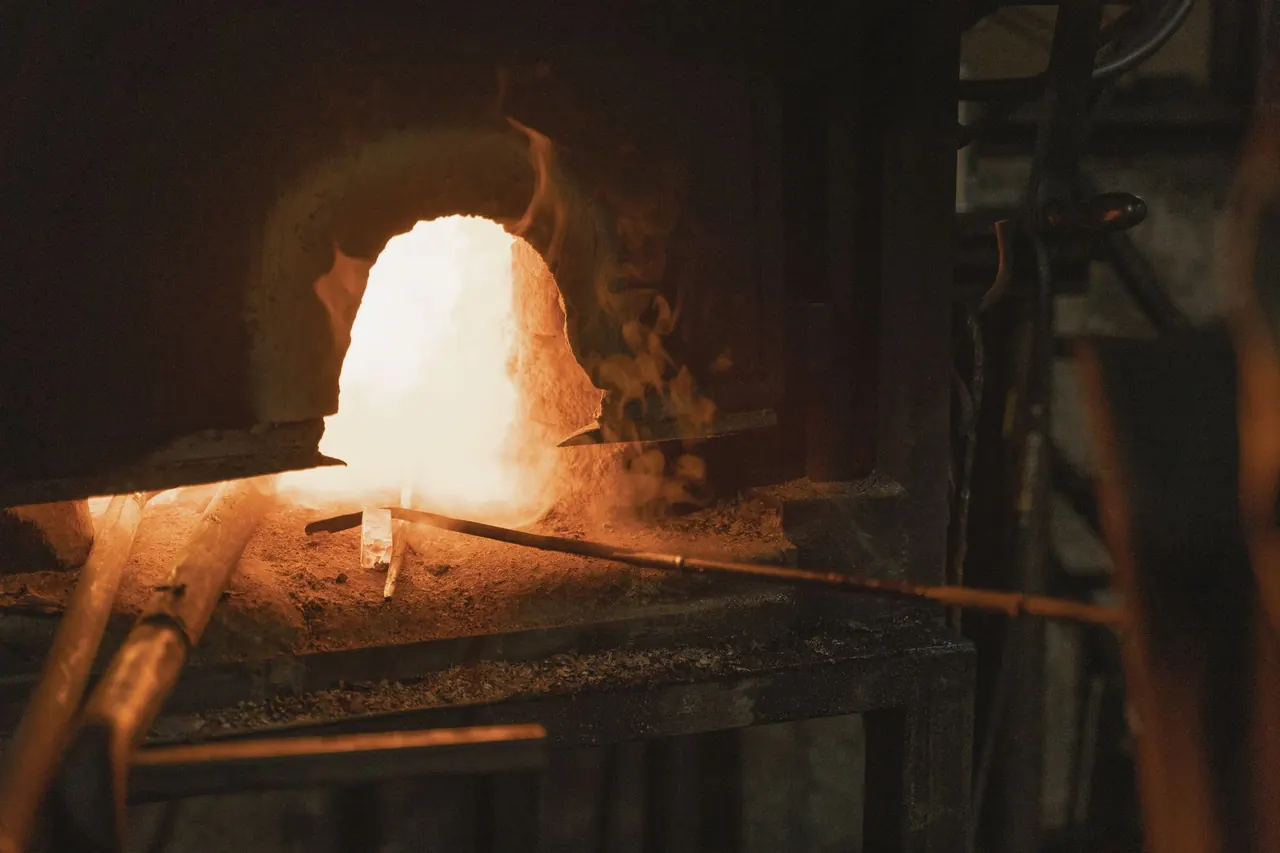
We read the microamp signal the sensor sends to the control board. A reading below 2 microamps means the rod needs cleaning or replacement. This is the number that decides the repair.
Used on every no-heat call to verify the furnace is burning clean after the sensor repair. It measures carbon monoxide and oxygen levels so we know the flame is stable, not just lit.
Checks gas manifold pressure when the flame signal is weak but the sensor tests fine. Low pressure can starve the burner and drop the signal, which looks exactly like a dirty sensor.
Measures amp draw on the inducer motor and blower motor. If either is drawing high amps, the furnace can lock out before the flame sensor ever gets a reading.
Lets us look at the heat exchanger and burner area without pulling the whole furnace apart. We use it to check for cracks or soot that would keep fouling a new sensor.
The correct way to clean a flame sensor rod. Sandpaper and abrasive pads scratch the rod surface, which makes carbon stick faster and shortens the life of the sensor.
Our technicians follow NATE testing standards for ignition and flame sensing. That means we test the sensor under real operating conditions, not just a visual check, and we verify the reading holds through multiple cycles.
We follow ACCA standards for combustion air and venting checks. A flame sensor reading is only trustworthy when the furnace has proper airflow and draft, so we confirm those before signing off on the repair.
All gas work is performed under Ohio HVAC license requirements, with EPA Section 608 certification for any refrigerant-related tasks. Permits are pulled when the scope of work requires them.
We follow OSHA safety compliance on every call, including gas leak checks, proper lockout procedures and personal protective equipment. Your home and our techs stay safe through the whole job.
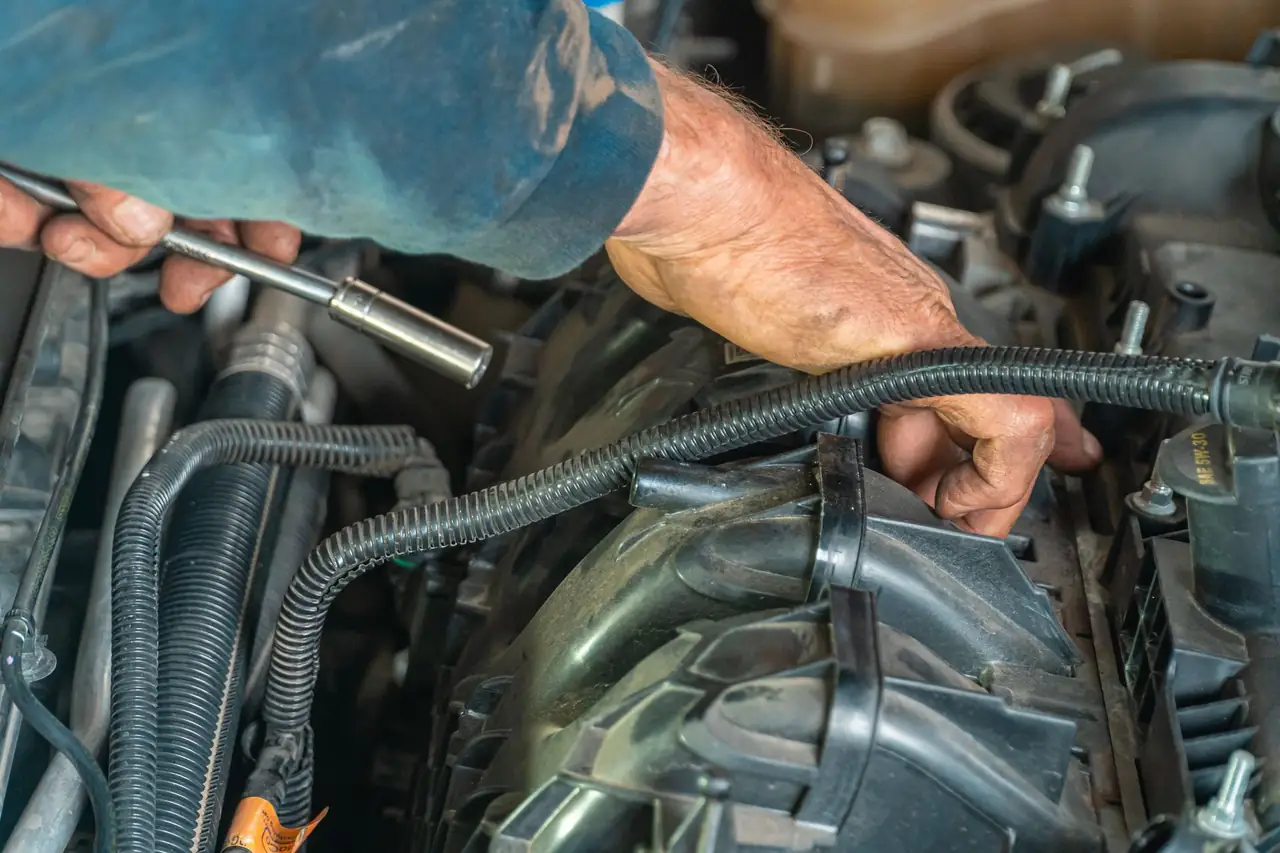
We treat no-heat calls as priority. A tech arrives with sensors for the common Lima furnace brands, tests the flame sensor, and cleans or replaces it on the spot. Most of these calls are finished in under 90 minutes. Heat is back the same day, and you get the microamp reading on your invoice so you know the repair actually worked.
We handle landlord calls directly and can bill the owner. The tech diagnoses the flame sensor, documents the repair with photos, and leaves a copy of the invoice for the tenant. You get the report by email the same night. The tenant has heat, you have documentation for your records, and no one has to take a day off work to meet a contractor.
We re-test the sensor with a flame sensor tester and check the gas valve pressure with a manifold gauge set. Sometimes the sensor is fine but the gas pressure is low, which drops the flame signal. We find the real cause instead of repeating the same cleaning. You get a repair that holds through the season, not a temporary fix that fails again in two weeks.
We diagnose the flame sensor, repair or replace it, and provide a written report showing the before and after microamp readings and three verified heat cycles. That document satisfies most buyer requests without a full furnace replacement. The sale moves forward, and the buyer has proof the furnace was serviced by a licensed Ohio HVAC company.
Lima's housing stock ranges from pre-war homes near downtown to newer builds on the west side, and the furnace age tracks with it. Older homes often have original ductwork that pulls more dust past the burners, which fouls flame sensors faster. We see a spike in no-heat calls from late October through March, when furnaces run daily and the sensor film builds up. Our techs carry sensors for the brands we see most, so a furnace flame sensor service Lima OH call usually ends with heat the same visit. We also check the furnace filter and note the size, because a clogged filter is the number one reason a cleaned sensor fouls again within weeks. If you need emergency furnace flame sensor repair Lima OH after hours, call and we will tell you honestly whether it can wait until morning or needs a tech tonight.
Older homes with original ductwork and cast-iron runs. Flame sensors here foul faster because dust and debris get pulled past the burners year-round.
A mix of rentals and owner-occupied homes. We handle a lot of landlord calls here, and we document every flame sensor repair with photos for the property file.
Newer construction with tighter envelopes. Furnaces here run shorter cycles, which can hide a weak flame sensor until the first hard cold snap.
Larger homes with zoned systems. When one zone loses heat, we check the flame sensor and the zone dampers together to find the real cause.
Furnaces run near-continuously from December through February, which accelerates carbon buildup on the flame sensor. We recommend a sensor check at the start of the heating season, not after the furnace quits.
Loose joints and unsealed runs pull attic and crawlspace dust into the burner compartment. That film is the main cause of dirty flame sensors we see on Lima calls.
Carrier, Trane, Lennox, Goodman, Rheem, Bryant, York and Amana units all use different sensor part numbers. We stock the common ones so a repair does not wait on a parts order.
A homeowner called at 7 a.m. after the furnace lit for five seconds and quit all night. The house was at 58 degrees. The control board had locked out three times. The flame sensor read 0.6 microamps, well below the 2.0 needed to hold the gas valve open.
We cleaned the rod, re-tested at 3.1 microamps, and ran three full heat cycles. The furnace held temperature and the house was back to 68 degrees by 9 a.m. Total time on site was 70 minutes.
Maintenance: We set a reminder to check the sensor again next fall and told the homeowner to change the furnace filter every 60 days. A clean filter keeps dust off the rod and delays the next cleaning.
A landlord got a 9 p.m. call from a tenant with no heat. The Goodman furnace would ignite and shut down within four seconds. The flame sensor was pitted and cracked, reading under 1 microamp even after cleaning.
We replaced the sensor with an OEM Goodman part and verified the reading at 3.4 microamps across three cycles. The tenant had heat by 10:30 p.m. The landlord received the invoice and photos by email the same night.
Maintenance: We recommended an annual fall tune-up on the unit and noted the filter size on the invoice. The landlord now schedules service before the tenant moves in each year.
A homeowner reported the furnace running for two minutes, shutting off, then restarting. The flame sensor tested fine, but the manifold pressure was low. The gas valve was not opening fully, which dropped the flame signal mid-cycle.
We adjusted the gas valve, confirmed manifold pressure at spec with a manifold gauge set, and re-tested the flame sensor at 3.0 microamps. The furnace ran a full 15-minute cycle without a single dropout.
Maintenance: We scheduled a combustion check for the following winter and told the homeowner to watch for any return of the short cycling. Catching it early keeps the control board from taking a beating.
Most flame sensor calls come in with the same handful of symptoms. Here is what they mean and how we handle them on a Lima service call.
The furnace never reaches temperature, the house cools down, and the control board locks out after repeated failed attempts. On a January night in Lima, that turns into a frozen pipe risk within hours. This is the classic dirty flame sensor pattern. We pull the rod, test the microamp signal, clean it with fine steel wool and contact cleaner, and reinstall. If the reading stays under 1 microamp, we replace the sensor with the correct OEM part for your furnace brand.
Short cycling wears out the igniter, inducer motor and control board faster, and it leaves rooms unevenly heated. Your gas bill climbs because the furnace never runs long enough to heat the house efficiently. We test the flame signal, check the limit switch and measure static pressure across the filter and coil. If the sensor is dropping out mid-cycle, we clean or replace it. If airflow is the real cause, we tell you and address that instead of selling you a sensor you do not need.
No heat, no fan, no ignition. Homeowners often assume the whole furnace is dead and start pricing replacements before anyone has looked at it. We run the full ignition sequence and isolate where it stops. A failed igniter, a tripped limit switch or a bad thermostat can all look like a sensor problem. Once we confirm the flame sensor is involved, we clean or replace it and verify three heat cycles.
The blower runs but the air never warms up, which usually means the burners are lighting and immediately shutting off. The house stays cold while the furnace burns electricity running a fan for nothing. We confirm the burners light, then read the flame sensor signal. A fouled rod shuts the gas valve within seconds. Cleaning or replacing the sensor restores the flame, and we check the heat exchanger and blower while we are there to rule out other causes.
$150 - $320 for most flame sensor repairs, including the diagnostic visit
Flame sensor repair is one of the more affordable furnace fixes, and we quote it upfront. Typical 2026 pricing in Lima runs $150 to $320 for the diagnostic visit plus cleaning or replacement. Cleaning alone is usually the lower end; a new sensor with the part pushes toward the top. If the control board or gas valve is also failing, the total climbs, but we tell you before we start. Our diagnostic fee is credited toward the repair if you approve the work the same visit.
A flame sensor repair costs a fraction of a new furnace and usually restores heat the same day. Fixing the sensor also protects the control board from repeated lockouts, which is a several-hundred-dollar part. It is the highest-return repair on a no-heat call.
If the rod reads above 2 microamps after cleaning, you pay the lower cleaning price. If it is pitted or reads under 1 microamp, a new sensor adds $40 to $90 in parts. The meter reading decides, not a sales pitch.
Common brands like Carrier, Trane, Lennox, Goodman and Rheem use sensors we stock on the truck. Less common brands may need a parts order, which adds a day and sometimes a shipping charge.
Emergency furnace flame sensor repair Lima OH on nights, weekends or holidays carries a dispatch fee. If the call can wait until morning, we tell you and save you the extra charge.
A failed igniter, a tripped limit switch or a cracked heat exchanger changes the scope. We quote each additional repair separately and let you decide what to do now versus later.
Furnaces in tight closets, attics or crawlspaces take longer to access and test. That labor time is built into the quote, not added as a surprise on the invoice.
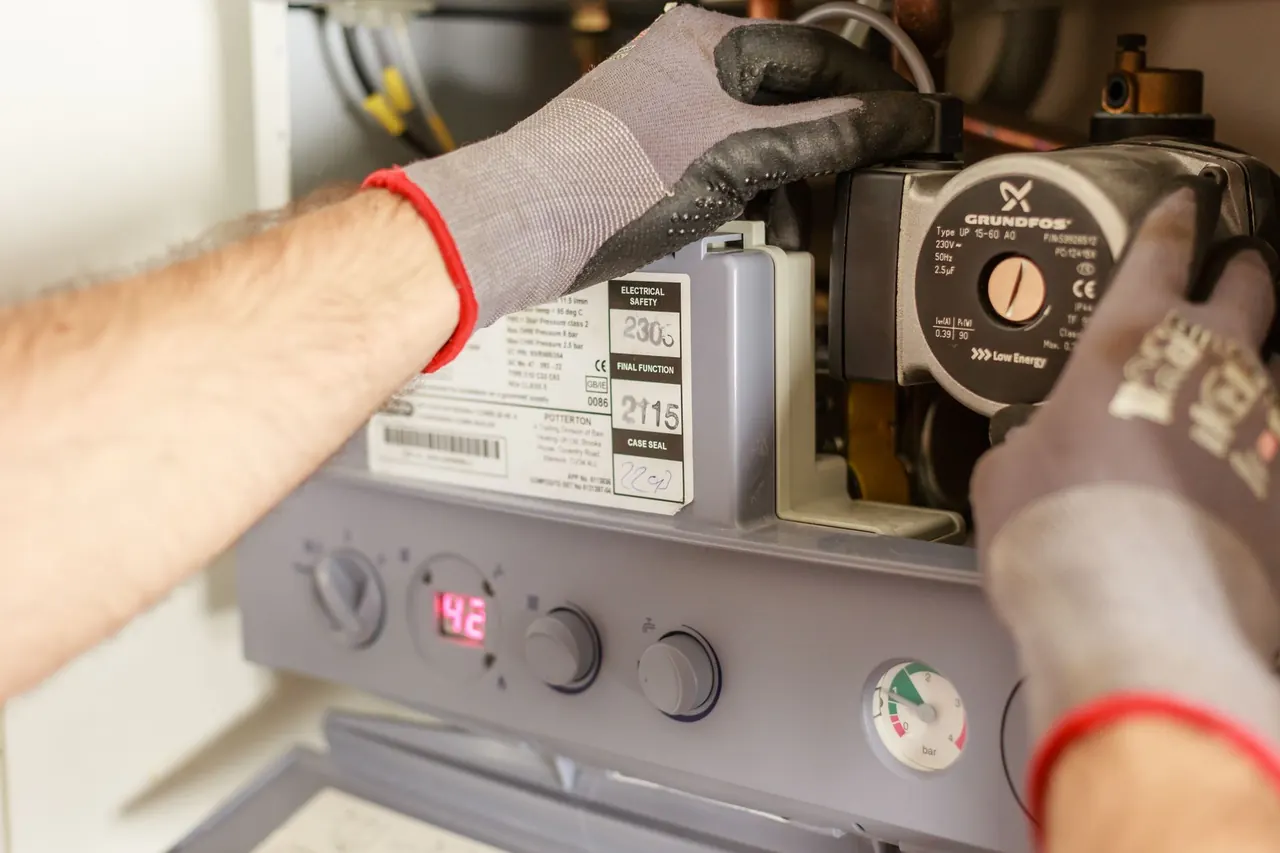
Our technicians hold NATE certification and work under Ohio HVAC license requirements, with EPA Section 608 handling certification for refrigerant work. We follow ACCA standards for combustion testing and OSHA safety compliance on every call. That matters on flame sensor jobs because the sensor reading is only trustworthy if the combustion air, gas pressure and venting are all correct. We use a combustion analyzer on every no-heat call to confirm the furnace is burning clean, not just lighting. Our vans carry sensors for the ten furnace brands we see most in Lima, so the fix usually happens on the first visit.
Furnace would light for about five seconds and quit. I figured it was the end of the unit. The tech tested the flame sensor, showed me the microamp reading on his meter, cleaned the rod and had heat running in under an hour. He also checked the igniter while he was in there. Fair price and no upsell.
I manage three rentals and one of them lost heat on a Sunday. They came out same day, replaced the flame sensor on a Goodman furnace, and sent me a photo of the old pitted rod. The tenant had heat that evening. I have used them on two other units since.
Called about a furnace blowing cold air. The tech found the flame sensor was fouled and also caught a cracked heat exchanger with his camera. He was straight with me about the repair versus replacement call. We went with the sensor fix for now and he showed me what to watch for. Honest work.
Most flame sensor repairs in Lima run $150 to $320 in 2026, including the diagnostic visit. Cleaning alone is usually the lower end; a replacement sensor with a new rod pushes toward the top. If the control board or gas valve is also bad, the total climbs, but we tell you that before we start. Emergency furnace flame sensor repair Lima OH after hours adds a dispatch fee.
Our NATE-certified techs clean flame sensors on every major brand, including Carrier, Trane, Lennox, Goodman, Rheem, Bryant, York and Amana. We pull the rod, test the microamp reading, clean it with fine steel wool and contact cleaner, then reinstall and verify. Most cleanings take 45 minutes and restore the reading to spec. Call (419) 287-8289 to schedule.
Lima's older housing stock and dusty ductwork push carbon and silica film onto the sensor rod. The film insulates the rod, drops the microamp signal, and the board shuts the gas valve after a few seconds. Homes near the industrial corridors see it faster. Changing your furnace filter every 60 to 90 days slows the buildup and keeps the sensor reading clean longer.
Yes, both are options, and the meter decides which one. If the rod reads above 2 microamps after cleaning, we reinstall it and you save money. If it reads under 1 microamp or shows pitting and cracks, we replace it. A new sensor costs $40 to $90 in parts and takes about 15 minutes to install. Either way, we test three ignition cycles before leaving.
Not seeing your question? Our local team can help you understand urgency, scheduling and what to expect.
Ask the local team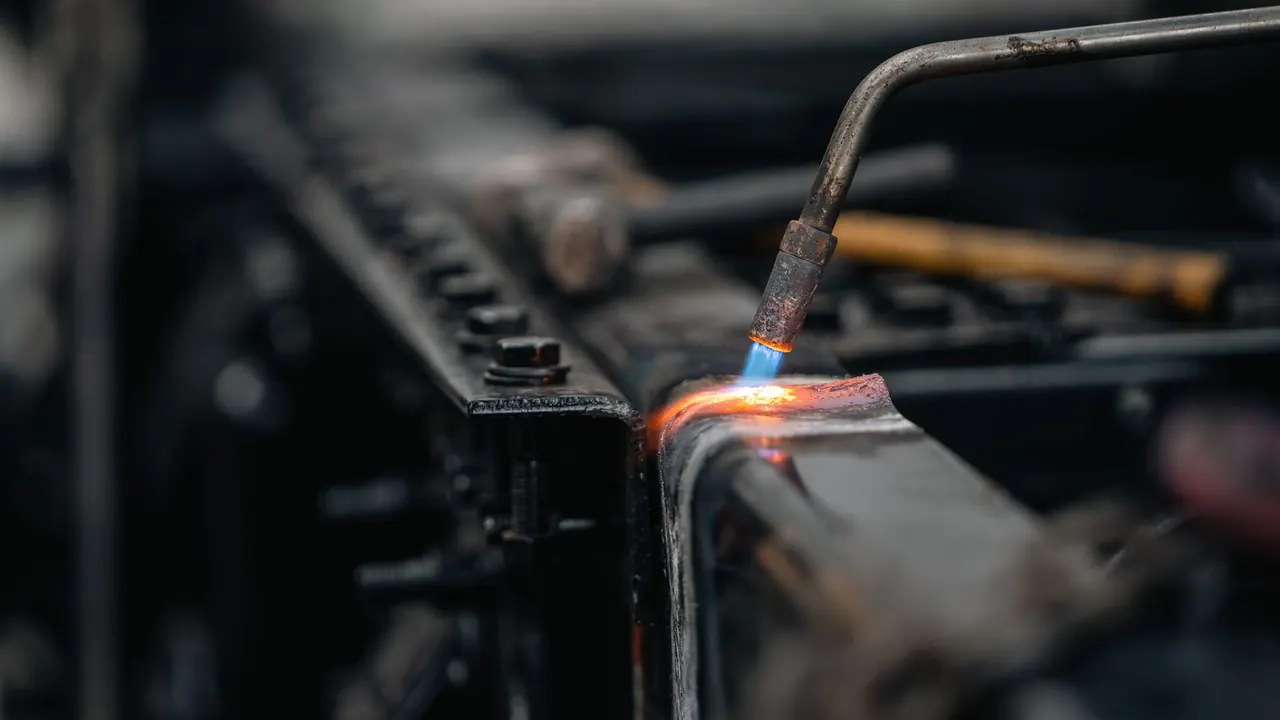
Gas furnace repair covers the burners, gas valve and manifold that feed the flame your sensor reads. When a flame sensor keeps fouling, we check gas pressure and burner alignment on the same visit so the fix actually holds.
View service
Electric furnaces use sequencers and heating elements instead of a flame sensor, but the no-heat symptom looks identical. We diagnose which system you have before quoting, so you are not paying for a sensor your furnace does not use.
View service
Propane burns dirtier than natural gas in many setups, which fouls flame sensors faster. If your propane furnace in Lima shuts off seconds after lighting, we clean the sensor and check the regulator and orifice at the same time.
View serviceWhen the furnace quits at 2 a.m. in January, emergency furnace repair gets a tech to your door. Flame sensor lockouts are one of the most common after-hours calls we run, and we carry the parts to fix them on the spot.
View service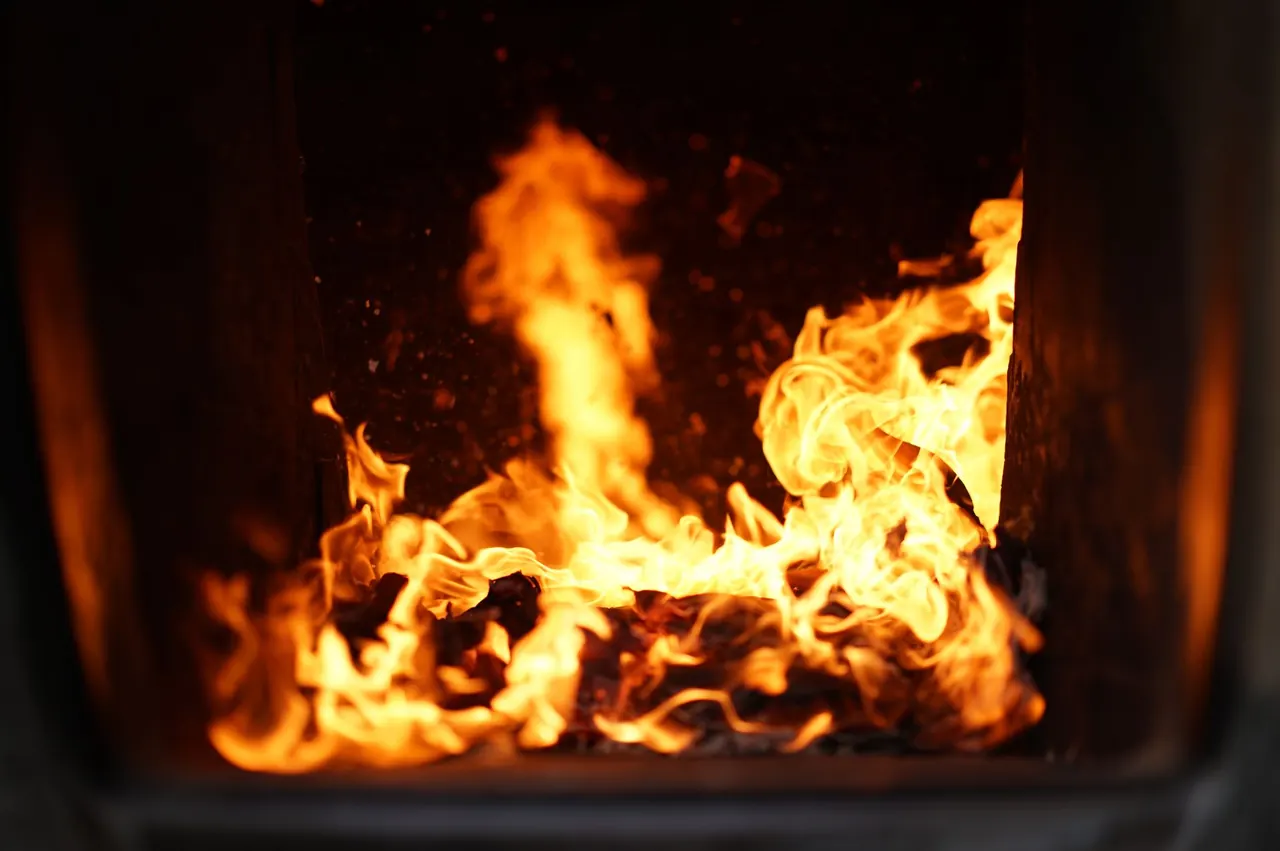
Reach us any hour at (419) 287-8289. We answer live calls overnight and on weekends, and most repairs in Lima and Allen County get a tech on site the same day. Tell us what your furnace is doing and we will give you a straight answer and an arrival window.