Focused arrival windows
Useful updates and clear arrival timing.
Goodman Furnace Repair in Lima means getting heat back without the runaround. We diagnose failed igniters, dirty flame sensors, bad blower motors, and cracked heat exchangers on Goodman, Amana, and Rheem units across Allen County. If your furnace is blowing cold air or short cycling, call (419) 287-8289. We stock common Goodman parts on the truck so most homes in 45801, 45804, and 45805 are back to full heat the same day.
Useful updates and clear arrival timing.
Review the approach and price before deciding.
Equipped vehicles and respectful cleanup.
Neighbors serving neighbors with follow-through.
Every Goodman furnace repair call includes a full diagnostic, a flat repair price, and a post-repair combustion test. Here is what is covered in a standard visit, and what we quote separately if we find it.
We test the thermostat call, inducer motor, pressure switch, igniter, flame sensor, gas valve, and blower in order. This takes 30 to 45 minutes and confirms the actual failure point instead of guessing at parts.
A dirty flame sensor is the most common Goodman no-heat cause we find in Lima. We clean it, verify the microamp reading, and replace it only if cleaning does not restore a stable flame signal.
We check inlet and manifold gas pressure with a manifold gauge set and adjust to the data plate spec. Correct pressure protects the heat exchanger and keeps the furnace running efficiently all season.
A combustion analyzer confirms safe operation, and we measure temperature rise against the data plate range. If rise is off, we check airflow, filter, and blower before we call the repair complete.
We inspect the filter, blower wheel, and return air path. Restricted airflow causes limit switch trips and short cycling, so we address it during the repair rather than letting it cause the next breakdown.
We cycle the furnace three times and watch the full sequence each time. If it lights reliably and holds temperature rise, the repair is done. If not, we keep testing until it does.
Share what is happening and receive a clear next step from the local team.
Goodman Furnace Repair in Lima is the diagnostic and mechanical work that restores heat to a Goodman furnace, from the thermostat call for heat through the inducer motor, gas valve, ignition, flame sensor, and blower. We verify the sequence of operation with a multimeter and clamp meter, test the thermocouple or flame sensor with a dedicated tester, and confirm combustion with a combustion analyzer. If the heat exchanger is cracked or the control board has failed, we quote the repair and get the right part ordered the same day.
Lima winters hit hard, and Goodman furnaces here deal with long run cycles, dusty filter cabinets, and older ductwork that throws off airflow. When your Goodman furnace is not heating in Lima, the cause is usually a failed igniter, a tripped limit switch, or a flame sensor that has gone dirty. We see it in Allen County homes every week. If you need affordable Goodman furnace repair Lima Ohio, we test first and replace only what has actually failed.
When you call (419) 287-8289, we ask for the model number, the symptom, and whether the furnace is completely dead or blowing cold air. That tells us which parts to load. Most calls are scheduled the same day, and we give you a 2-hour arrival window, not a vague all-day promise.
We pull the blower door, inspect the filter and heat exchanger, then walk the sequence of operation with a multimeter. The inducer motor, pressure switch, igniter, flame sensor, gas valve, and blower get checked in order. This takes 30 to 45 minutes and finds the real failure point.
We show you the failed part, explain what it does, and give you a flat repair price before any work starts. If we find a cracked heat exchanger or a bad control board, we quote that separately so there are no surprises. You approve the number, then we go to work.
Most repairs take 45 to 90 minutes. We replace the failed component, clean the flame sensor and burners, check gas pressure with a manifold gauge set, and verify the blower motor amp draw with a clamp meter. Everything goes back together with new fasteners where needed.
Before we leave, we run a combustion analyzer, confirm temperature rise is within the data plate range, and cycle the furnace three times to prove it lights reliably. We walk you through the filter size, the thermostat settings, and what to watch for next season.
Checks inlet and manifold gas pressure on Goodman furnaces and confirms the valve is delivering the correct pressure to the burners.
Tests control board outputs, igniter resistance, and blower motor amp draw. The clamp meter tells us whether a motor is failing before it quits completely.
Verifies safe combustion and confirms the furnace is burning cleanly after any gas-side repair. We run it on every job before we leave.
Measures the microamp signal from the flame sensor or thermocouple so we know whether cleaning is enough or the part needs replacement.
Lets us look inside the heat exchanger and venting without disassembly, which is how we confirm or rule out a cracked heat exchanger.
Removes stubborn blower assemblies and straightens bent condenser or evaporator fins that restrict airflow and cause limit switch trips.
Used on the refrigerant side when a repair touches the AC coil or lines, so the system is evacuated correctly before recharge.
We walk the furnace through its full startup sequence in order, testing each component with a multimeter before moving to the next. This is how we find the real failure instead of replacing parts that are still good.
Every repair follows ACCA standards for airflow, temperature rise, and combustion. That means the furnace leaves our hands running within the manufacturer's spec, not just running.
Gas work, venting, and electrical repairs are done to Ohio code with OSHA safety practices. We check clearances, venting, and gas pressure before we sign off on any repair.
Our techs hold NATE certification, which means they have been tested on the theory and practice behind the repairs they perform. That training shows up in faster, more accurate diagnosis.
We answer the phone 24/7 and dispatch an on-call tech. Most no-heat calls get a same-night visit, and we carry the common Goodman parts so the repair usually finishes in one trip. Heat restored before morning, no frozen pipes, and a flat repair price you approved before we started.
We test temperature rise, check the blower motor amp draw, and inspect the filter and duct dampers. Uneven heating usually traces back to airflow, not the furnace itself. Balanced temperatures room to room and a furnace that runs full cycles instead of short cycling all day.
We diagnose the flagged issue, repair it, and provide a written summary of what was tested and what was replaced. That documentation satisfies most buyers and their agents. A clean inspection report, a documented repair, and a closing that does not get delayed over the furnace.
We give you both numbers: the repair price and what a new unit would run. You decide. We do not push replacement when a $400 repair will get you several more seasons. An honest comparison and a decision you can make without pressure, whether that is repair now or plan for replacement.
Lima sits in a climate zone where furnaces run hard from October through April, and that long season wears out igniters, flame sensors, and blower motors faster than in milder markets. The housing stock matters too: many homes in 45801 and 45804 have original ductwork sized for older, less efficient furnaces, which throws off airflow and causes limit switch trips. Newer builds on the west side often have undersized returns for the same reason. We see Goodman furnaces here with dirty flame sensors from dusty filter cabinets, cracked igniters after three or four seasons, and inducer motors that get noisy before they fail. If you need emergency Goodman furnace repair Lima OH in the middle of a cold snap, we prioritize no-heat calls and keep common parts on the truck. For homeowners searching Goodman furnace repair in Lima OH near me, we cover Allen County with same-day scheduling on most calls before noon.
Older homes with original ductwork and furnaces that have been repaired multiple times. Airflow issues are common, and limit switch trips show up often.
Newer construction with tighter envelopes and undersized returns. Goodman furnaces here tend to short cycle if the filter is not changed regularly.
Propane Goodman furnaces are common outside the city. We check orifice sizing and gas pressure on every propane call because those two things cause most no-heat issues.
A mix of rental and owner-occupied homes. Filters often go too long between changes, which is the number one cause of blower motor and limit switch failures we see.
Furnaces run more hours per year than in milder climates, so igniters, flame sensors, and blower motors wear out faster. We see more mid-season failures here than in southern Ohio.
Restricted airflow causes limit switch trips and short cycling. We check static pressure and airflow on every repair in these homes, not just the failed part.
A dirty flame sensor is the most common Goodman no-heat cause we find. Cleaning it during a repair visit often prevents a second callout the same season.
When Lima drops below 10 degrees for several days, furnaces run nonstop and weak blower motors or inducer motors fail. We keep those parts on the truck during cold snaps.
A homeowner in Lima called at 8 p.m. in January with a Goodman furnace that would not light. The house was at 58 degrees and dropping. The igniter was cracked and the flame sensor was dirty from two seasons of dust.
We replaced the igniter, cleaned the flame sensor, and verified the microamp reading. The furnace lit on the first cycle and held temperature rise within spec. Total repair time was 70 minutes, and the house was back to 70 degrees by 10 p.m.
Maintenance: Change the filter every 60 to 90 days during heating season. A clean filter keeps airflow up, which protects the igniter and flame sensor from the dust that causes most no-heat calls.
A rental property in Allen County had a Goodman furnace short cycling every few minutes. The tenant had complained twice about uneven heat. The blower motor amp draw was well above spec, and the limit switch was tripping from restricted airflow.
We replaced the blower motor, cleaned the wheel, and verified the new amp draw with a clamp meter. The furnace ran full cycles without tripping the limit switch, and the tenant reported even heat room to room for the first time that winter.
Maintenance: Check the blower wheel for dust buildup each fall. A dirty wheel throws off balance and airflow, which shortens motor life and causes the same short cycling to return.
A homeowner in Lima was told by another company that the Goodman furnace needed full replacement because it was blowing cold air. The furnace was 9 years old and the burners were not firing at all.
We tested the flame sensor and found it was reading below spec. Cleaning restored the signal, and the furnace fired on every cycle. The repair cost $185 instead of the $4,000 replacement quote, and the furnace ran the rest of the season without issue.
Maintenance: Have the flame sensor cleaned once a year during a fall tune-up. It takes 10 minutes and prevents the most common Goodman no-heat failure we see in Lima.
Most Goodman furnace failures in Lima fall into a handful of patterns. Here are the ones we see most, what happens if you ignore them, and how we fix them.
No heat, no blower, and a house that drops below 60 degrees within hours. In a Lima January, that risks frozen pipes and a much bigger repair bill. We check power, the door switch, the thermostat, and the control board in order. Most no-power calls trace back to a failed board or a tripped safety. We test with a multimeter, confirm the failure, and replace the part with an OEM-spec component.
The furnace short cycles, the house never warms up, and the repeated ignition cycles wear out the igniter and inducer motor faster than normal. This is almost always a dirty or failed flame sensor. We pull it, clean it, and test the microamp signal. If the reading is still low, we replace the sensor. Most Lima customers are back to steady heat in under an hour.
The blower runs but the burners never fire, so you are circulating cold air and paying for electricity with no heat. It usually points to a failed igniter or a gas valve issue. We test the igniter with a multimeter and check gas pressure at the valve with a manifold gauge set. Once we confirm which side failed, we replace the part and verify the burners light on every cycle before we leave.
A squealing blower motor or a banging inducer motor will fail completely, usually on the coldest night of the year. Ignoring it turns a $300 repair into a $900 one. We isolate the noise source, check the blower motor amp draw with a clamp meter, and inspect the inducer motor bearings. If either is failing, we replace it and verify the furnace runs quietly through a full cycle.
$180 - $650 depending on the failed part and job scope
Typical 2026 pricing for Goodman furnace repair in Lima runs $180 to $650 depending on the failed part and how long the job takes. A flame sensor or igniter replacement sits at the low end. A blower motor, inducer motor, or control board pushes toward the high end. We quote a flat price before we start, and the diagnostic fee is waived when you approve the repair. If you need affordable Goodman furnace repair Lima Ohio, that flat pricing is how we keep it honest. No hourly surprises, no parts markup games.
Flat pricing means the number you approve is the number you pay. We test with real diagnostic tools, replace only the failed part, and verify the repair with a combustion test before we leave. That is how a repair holds through a Lima winter.
An igniter or flame sensor is a quick, low-cost repair. A blower motor, inducer motor, or control board costs more in parts and labor. We tell you the price for the actual failed part before we start.
Older Goodman furnaces sometimes need discontinued parts or a compatible substitute. We check availability during diagnosis and tell you the exact price and ETA before you approve the work.
A furnace in a tight closet or a crawlspace takes longer to work on than one in an open basement. We factor that into the quote so the price you hear is the price you pay.
If we find a cracked heat exchanger, the repair is more involved and may not be worth it on an older unit. We quote both repair and replacement so you can decide with real numbers.
A 2 a.m. no-heat call carries a higher rate than a scheduled weekday visit. We tell you the after-hours rate on the phone before we dispatch, so there are no surprises.
Our technicians work on Goodman furnaces every week, from older GMNT models to current GMVC and GMEC units. We hold NATE certification and EPA Section 608, and we follow Ohio HVAC license and ACCA standards on every job. That means we know the common failure points on Goodman equipment: the igniter that cracks after three seasons, the flame sensor that goes dirty from dust, the inducer motor that gets noisy, and the control board that fails after a power surge. We test with a multimeter, thermocouple tester, and combustion analyzer rather than guessing. Local experience matters here, because Lima furnaces run long cycles in January and short cycles in October, and both stress different parts.
Our Goodman furnace quit on a Friday night in January. They answered the phone, had a tech out by 9 p.m., and he found a failed igniter in about 20 minutes. Had the part on the truck. We had heat back the same night for under $300. That is exactly what you want when it is 12 degrees outside.
I manage three rentals in Lima and one of the Goodman furnaces kept short cycling. They tested the limit switch and the blower motor, found a weak motor, and replaced it. No more callbacks from the tenant. They also showed me the amp draw reading so I could see the difference.
Our furnace was blowing cold air and another company told us we needed a whole new system. These guys tested the flame sensor, cleaned it, and the furnace fired right up. Cost me $185 instead of $4,000. Honest diagnosis and they explained everything they checked.
Most Goodman furnace repairs in Lima run $180 to $650 in 2026, depending on the part. A flame sensor or igniter replacement sits at the low end. A blower motor, inducer motor, or control board pushes toward the high end. Diagnostic fee is waived when you approve the repair, and we quote the full price before we start.
We do. Lima Furnace Repair Pros handles Goodman, Amana, and Rheem equipment across Allen County, with NATE-certified techs and OEM-spec parts on the truck. Call (419) 287-8289 and we will schedule a same-day visit for most no-heat calls in ZIP codes 45801, 45804, and 45805.
The three most common causes we find are a failed igniter, a dirty flame sensor, and a tripped limit switch. A cracked heat exchanger or a bad blower motor will also stop heat. We test the full sequence of operation with a multimeter and combustion analyzer, so you get the real diagnosis, not a guess.
Goodman parts carry a manufacturer warranty, often 5 to 10 years depending on the component and registration. Labor is covered by our own repair warranty. We check your model and serial number during the visit and tell you exactly what is covered before you pay anything.
Not seeing your question? Our local team can help you understand urgency, scheduling and what to expect.
Ask the local team
Goodman gas furnaces are the most common unit we see in Lima. We test gas pressure with a manifold gauge set, verify the gas valve, and confirm combustion with an analyzer before we sign off on any repair.
View serviceElectric Goodman furnaces rely on sequencers, limit switches, and heating elements. We test each element with a clamp meter and replace failed sequencers so your Lima home gets even heat without tripping the breaker.
View service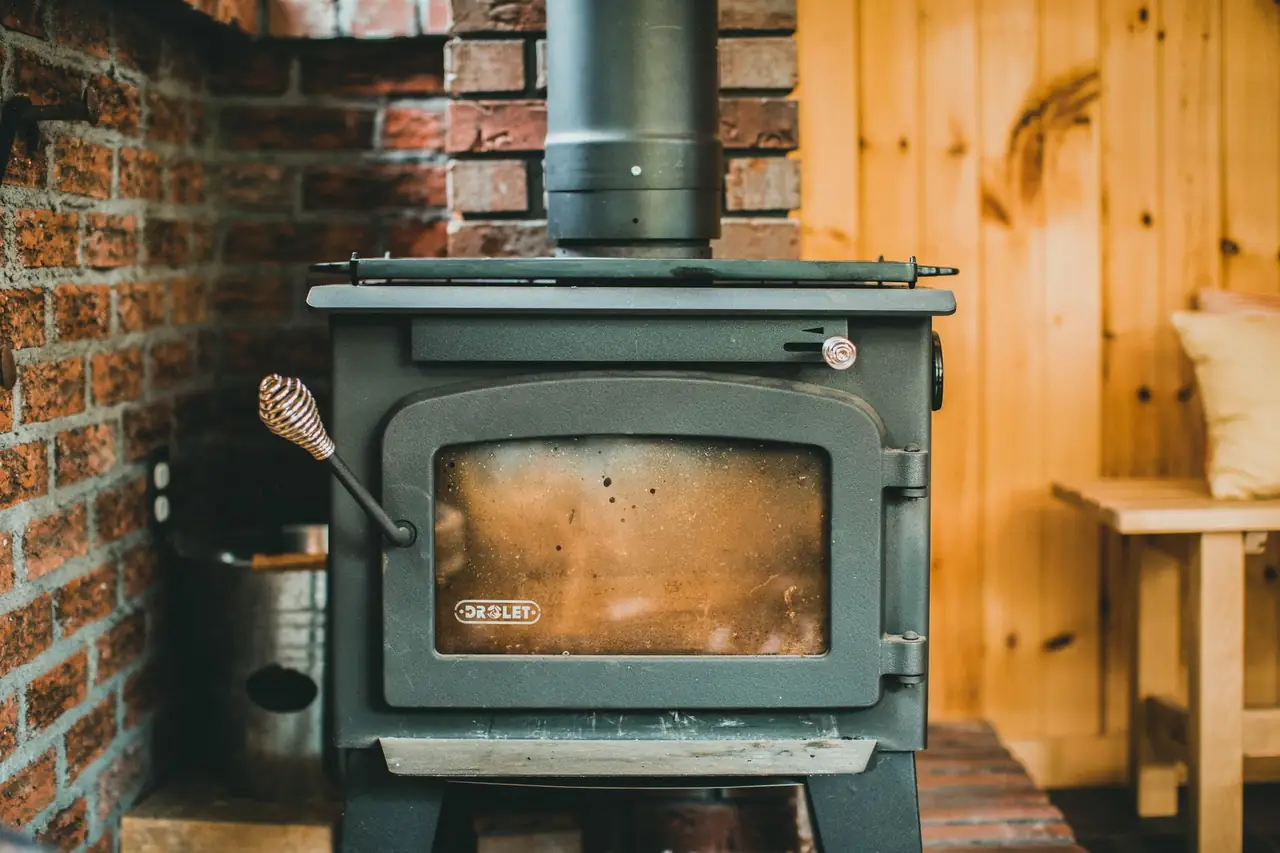
Propane Goodman furnaces need correct orifice sizing and gas pressure. We check both, clean the burners, and verify the flame sensor so your rural Allen County home stays warm through the coldest weeks.
View service
No heat at 2 a.m. in Lima is an emergency. We answer the phone, dispatch a tech, and carry the common Goodman parts needed to restore heat on the first visit, including nights, weekends, and holidays.
View service
Reach us any hour at (419) 287-8289. We answer live calls overnight and on weekends, and most repairs in Lima and Allen County get a tech on site the same day. Tell us what your furnace is doing and we will give you a straight answer and an arrival window.