Focused arrival windows
Useful updates and clear arrival timing.
When your furnace quits at 2 a.m. and the house is dropping toward 50 degrees, Emergency Furnace Repair in Lima gets your heat back the same night. We run 24 hour furnace repair in Lima for homeowners across Allen County, from 45801 to 45805. Our techs carry igniters, flame sensors and control boards on every truck, so most no-heat calls are fixed in one visit, not two.
Useful updates and clear arrival timing.
Review the approach and price before deciding.
Equipped vehicles and respectful cleanup.
Neighbors serving neighbors with follow-through.
Every emergency call includes a full diagnostic, a written repair price, the repair itself, and a two-cycle test before we leave. Parts are billed at standard rates with no markup games. Here is exactly what you get.
We test gas pressure, ignition, flame sensing, airflow and temperature rise. That sequence catches the real fault instead of the first obvious symptom, which is why our repeat-call rate on emergency jobs stays low.
Igniters, flame sensors, thermocouples, limit switches, inducer motors and common control boards are on the van. Most repairs finish in the same visit, so you are not waiting a day for a part to arrive.
We read combustion with an analyzer and inspect the heat exchanger with a camera when the unit is open. If we find a crack or a carbon monoxide risk, we tell you immediately and give you options.
Before we pack up, the furnace runs through two complete heating cycles. We measure supply and return temperatures and confirm the unit is not short cycling. You see the numbers, not just a handshake.
A clogged furnace filter causes half the limit switch trips we see. We check yours, note the size, and tell you how often to change it based on your home and pets, so the same failure does not repeat next month.
Share what is happening and receive a clear next step from the local team.
Emergency Furnace Repair in Lima is the after-hours, same-day service that restores heat when your system stops running and your family cannot wait until Monday. It covers no-heat calls, furnaces blowing cold air, short cycling, failed igniters, dirty flame sensors, tripped limit switches, bad blower motors and cracked heat exchangers. A tech arrives with a manifold gauge set, multimeter and combustion analyzer, diagnoses the fault, and repairs it on the spot whenever parts allow.
Lima winters are hard on heating equipment. Overnight lows in January regularly sit near 15 degrees, and older homes around Cercado de Lima and La Victoria still run 20-year-old furnaces with original control boards. When those units fail, they usually fail at night or on a holiday weekend. That is why our 24/7 furnace repair near me Lima line is staffed around the clock, and why we stock parts for Carrier, Trane, Lennox, Goodman and Rheem systems on every service van.
You reach a real person, day or night. We ask what the furnace is doing, whether you smell gas, and what brand and age the unit is. That five-minute conversation tells us which parts to load and whether you should shut the gas off before we arrive.
We text you the technician's name and an arrival window, usually 60 to 90 minutes inside Lima. If you are in El Agustino or Santa Anita on a night with freezing rain, we tell you the honest number instead of a fake one.
The tech tests incoming gas pressure with a manifold gauge set, checks flame rectification with a multimeter, and reads combustion with an analyzer. That sequence finds dirty flame sensors, weak igniters and cracked heat exchangers that a visual glance misses.
We quote the fix, get your approval, and complete it on site. Then we run the furnace through two full heating cycles and verify temperature rise at the supply and return. You see the numbers before we pack up.
Before leaving, we show you what failed, what we replaced, and how to keep it running. We check your furnace filter, note the size, and set a reminder for the next change. Most calls wrap in two to four hours total.
Measures incoming and manifold gas pressure to confirm the valve and regulator are delivering the correct supply to the burners.
Tests flame rectification, control board outputs, igniter resistance and blower motor amp draw to pinpoint electrical faults.
Reads carbon monoxide, oxygen and flue temperature to confirm the furnace is burning cleanly and the heat exchanger is not leaking.
Lets us look inside the heat exchanger and flue without disassembling the entire furnace, which is how we catch cracks early.
Confirm whether a standing-pilot thermocouple or a flame sensor is producing the microamp signal the control board needs to stay lit.
Remove stubborn blower assemblies and straighten bent condenser or evaporator fins that restrict airflow and cause limit trips.
Used on related refrigerant and combustion work to evacuate lines properly when a repair touches the cooling side of the system.
Our techs follow the NATE testing order: power, thermostat, ignition, flame sensing, airflow, then temperature rise. Working in sequence prevents replacing good parts and shortens the time to a real fix.
We measure static pressure and temperature rise against ACCA standards instead of eyeballing it. A furnace running outside its rated rise overheats, trips the limit switch and shortens the life of the heat exchanger.
Any work that touches refrigerant or gas appliance handling follows EPA Section 608 rules. It keeps the job compliant and protects you if the equipment is ever inspected or sold.
Gas appliance work carries real risk. Our techs follow OSHA safety compliance on every call, from lockout procedures to combustion testing, so the repair is safe for your family and for us.
We dispatch the nearest on-call tech, usually arriving in 60 to 90 minutes. The tech diagnoses the fault, replaces the failed igniter or sensor from van stock, and restores heat before the house drops below 60 degrees. Your family wakes up to a warm house and a working furnace, with a written record of what failed and what was replaced.
We treat returning-home no-heat calls as priority. The tech checks the gas supply, thermostat, ignition system and safety switches, then repairs the fault and confirms the furnace holds temperature through two full cycles. Heat is restored the same day, and you get a filter and airflow check so the system does not fail again during the next cold snap.
We measure static pressure and check duct dampers, blower speed and filter condition. Uneven heating is usually an airflow problem, and we balance the system so every room gets its share of heat. Room temperatures even out within a few degrees, and the furnace stops running longer cycles trying to satisfy a thermostat in a cold hallway.
We handle landlord calls directly, coordinate access with the tenant, complete the repair, and send you photos of the test readings and the replaced part. You do not have to drive across town. The tenant has heat the same day, and you have documentation for your records without making a trip yourself.
Lima sits in a cold pocket of Allen County where January lows regularly hit 10 to 15 degrees, and that cold drives most of our emergency calls. The housing stock matters too. Neighborhoods like Cercado de Lima and La Victoria hold a lot of pre-1990 homes with original ductwork and undersized returns, so furnaces there tend to overheat and trip limit switches. Newer builds in San Isidro and San Borja run high-efficiency condensing units that fail differently, usually at the inducer motor or pressure switch. We stock parts for both eras. When you search 24 hour emergency furnace repair Lima Ohio on a Sunday night, you are usually dealing with one of three things: a failed igniter, a dirty flame sensor, or a tripped safety switch. Our techs carry all three on the van. We also follow Ohio HVAC license requirements and pull permits when a gas valve or heat exchanger replacement needs one. If you need emergency furnace repair in Lima OH near me after hours, call and we will give you a real arrival window, not a maybe.
Older housing with original ductwork and undersized returns. Furnaces here overheat and trip limit switches more often, so airflow checks matter on every call.
Newer high-efficiency condensing furnaces are common. Failures usually trace to the inducer motor, pressure switch or condensate drain freezing in cold snaps.
A mix of rentals and older single-family homes. We see a lot of standing-pilot furnaces with thermocouple failures and flame sensors that need cleaning.
Mid-century homes with retrofitted high-efficiency systems. Control board and blower motor failures show up here, and we keep compatible boards on the van.
Furnaces run near-continuous duty, which exposes weak igniters, worn blower bearings and marginal gas valves. This is when most no-heat calls hit our overnight line.
Restricted return air causes high temperature rise and repeated limit switch trips. We measure static pressure and correct airflow instead of just resetting the switch.
A frozen condensate trap shuts down a condensing furnace completely. We thaw and reroute the line so it drains properly and does not refreeze the next cold night.
Filters clog faster than the label suggests. We check filter loading on every emergency call and set a realistic change interval for your home.
A homeowner in Cercado de Lima called at 11 p.m. with a furnace that clicked but never lit. The house had dropped to 58 degrees and the family was using space heaters to keep the kids' rooms warm.
Our tech arrived in 75 minutes, tested the igniter with a multimeter, and confirmed it had failed. A replacement from van stock had the burners lit by 12:45 a.m. Temperature rise measured 42 degrees, right in spec.
Maintenance: We noted the igniter age and recommended a combustion check each fall. Hot surface igniters typically last three to five heating seasons in heavy use.
A San Isidro homeowner reported a furnace that started and stopped every four minutes and never warmed the house. The gas bill had jumped 30 percent over the previous winter month.
We found a filter loaded solid and a temperature rise of 68 degrees, well above the rated range. A new filter and a blower speed adjustment brought the rise back to 45 degrees and stopped the short cycling entirely.
Maintenance: We set a 60-day filter reminder based on the home's dust load and showed the homeowner how to check static pressure with a simple gauge.
A La Victoria family called about a furnace making a booming noise on startup. The unit was 19 years old and had never been inspected. A carbon monoxide alarm had chirped twice that week.
Our inspection camera found a cracked heat exchanger near the burner box. We shut the unit down, documented the crack with photos, and gave the family a straight repair-versus-replace recommendation the same night.
Maintenance: They chose replacement with a properly sized unit. We also installed a low-level CO monitor and scheduled an annual combustion test to protect the family going forward.
These are the calls that fill our overnight line from November through March. Each one has a clear cause and a repair we can usually complete on the first visit.
The house cools fast, pipes near exterior walls become a freeze risk, and a night without heat turns into a hotel stay or a space-heater scramble. We trace power from the breaker through the thermostat and safety switches to the control board. Most no-power calls trace to a tripped switch, dead thermostat or failed board, and we repair it on site with parts from the van.
The furnace cycles every few minutes, never heats the house, and the repeated ignition wears out the igniter and board faster. This is almost always a dirty flame sensor or a weak thermocouple. We clean or replace the sensor, verify flame rectification with a multimeter, and confirm the burner stays lit through a full cycle.
The blower runs and you hear the system working, but every vent pushes cold air, which is worse than no heat because it hides the real problem. Cold air means the burners are not lighting. We check gas supply, the igniter, the gas valve and the flame sensor, find which one failed, and repair it so the air coming out of your vents is actually warm.
Short cycling raises your gas bill, stresses the heat exchanger, and leaves rooms unevenly heated while the system runs nonstop. We measure static pressure and temperature rise to find the cause. A clogged filter, an oversized unit or a failing limit switch are the usual culprits, and we correct the root issue rather than just resetting the switch.
A screech points to a failing blower bearing, and a boom on startup means delayed ignition, which can crack the heat exchanger over time. We identify the noise source, test the blower motor and capacitor with a clamp meter, and check ignition timing. Then we replace the worn part and verify the furnace runs quietly through two cycles.
$180 - $650 depending on the failed part and time of call
Typical 2026 pricing in Lima runs $180 to $650 for most emergency furnace repairs, including the diagnostic. A dirty flame sensor or failed igniter sits at the low end, around $180 to $280. Blower motors, inducer motors and control boards push toward $400 to $650. After-hours calls carry a modest night rate, and we quote the full price before we start. If the repair is not worth doing on an aging unit, we credit the diagnostic toward a replacement quote.
You are paying for a licensed tech, a stocked van, and a repair that finishes the same night instead of a second appointment. One visit, one price, heat restored.
Overnight, weekend and holiday calls carry a modest after-hours rate on top of the standard repair price. We tell you the exact number when you call, before we dispatch.
A flame sensor costs far less than a control board or blower motor. We quote the part and labor together, so you see one number instead of a parts list with a labor estimate attached.
Parts for older or less common brands can cost more or take longer to source. We carry common Carrier, Trane, Lennox, Goodman, Rheem, Bryant, York and Amana parts to keep same-night repairs possible.
A furnace in a tight closet or a crawlspace takes longer to service than one in an open basement. We factor that into the quote rather than surprising you with extra labor at the end.
If repair cost passes half the price of a new furnace, or the heat exchanger is cracked, replacement is the better call. We give you both numbers and let you decide without pressure.
Our furnace quit at 11 p.m. on a Friday and the house was down to 58 degrees by midnight. I called and a tech was here in about 75 minutes. He found a failed igniter, had one on the truck, and we had heat before 1 a.m. The price he quoted on the phone was the price I paid.
We had a furnace that kept lighting and shutting off. Two other companies told us we needed a new one. These guys cleaned the flame sensor, showed me the readings, and charged $210. That was two winters ago and it still runs fine. Honest work.
I manage three rentals in Lima and a no-heat call on a Sunday is my nightmare. They handled a blower motor replacement at one property and a limit switch at another the same weekend. Both tenants had heat by Sunday night and I got photos of the test readings.
Most emergency furnace repairs in Lima run $180 to $650 in 2026, including the diagnostic. A dirty flame sensor or failed igniter sits at the low end near $180 to $280. A blower motor or control board replacement lands higher, $400 to $650. After-hours calls carry a modest night rate, and we quote the full price before we start work.
We do. Lima Furnace Repair Pros answers the phone around the clock, every day of the year, and dispatches technicians across Allen County including ZIP codes 45801, 45804 and 45805. You get a live person, an arrival window, and a tech who carries common parts so the repair usually finishes that night.
Yes. Saturday and Sunday calls are handled exactly like weekday calls, with the same 60 to 90 minute average response inside Lima. Weekend no-heat calls spike when a cold front hits, so we add routes on Friday and Saturday nights. You pay the standard after-hours rate, not a holiday premium.
First, check your thermostat batteries and the furnace switch, then confirm the breaker is on. If you smell gas, leave the house and call 911 before calling us. Otherwise, call (419) 287-8289 and we will walk you through shutting the gas valve and keeping pipes from freezing until our tech arrives.
Not seeing your question? Our local team can help you understand urgency, scheduling and what to expect.
Ask the local team
Gas furnaces make up most of the heating systems we see in Lima. When a gas valve sticks or a burner fails to light, our emergency techs test incoming pressure and flame rectification on site, then replace the failed component so you are not waiting on a second appointment.
View service
Electric furnaces fail differently, usually through a bad heating element, sequencer or breaker. We use a clamp meter to trace the circuit and confirm which element dropped out. That is often the fastest path to restoring heat during an emergency call in an all-electric Lima home.
View service
Rural Allen County homes running propane need different orifice sizes and pressure settings than natural gas units. Our techs adjust propane furnaces to the correct manifold pressure and check for sooting, which prevents the repeated ignition failures that trigger emergency calls.
View service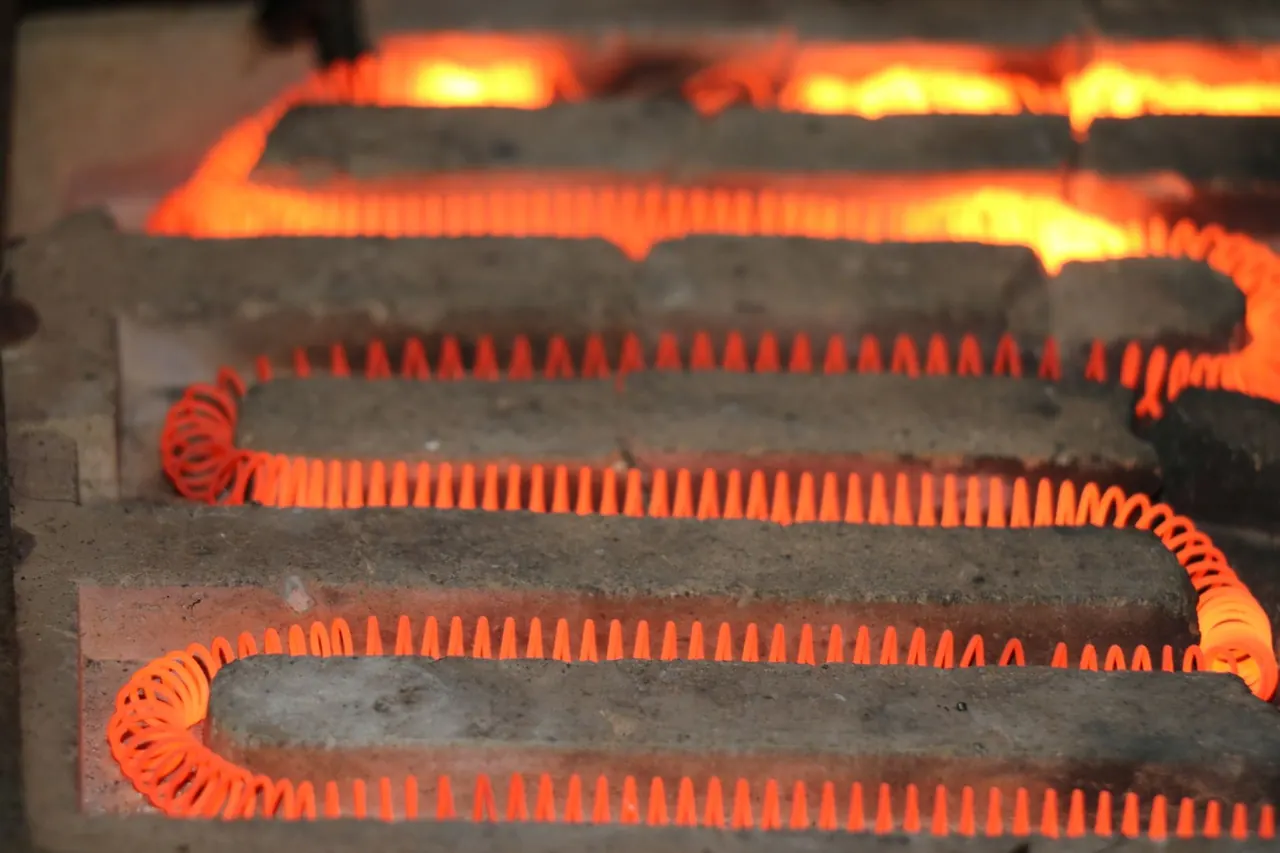
When your heat dies in the morning, same-day service gets it back before the house cools off. We hold afternoon and evening slots for Lima customers and treat same-day requests as priority dispatch whenever the schedule allows, often arriving within a few hours.
View service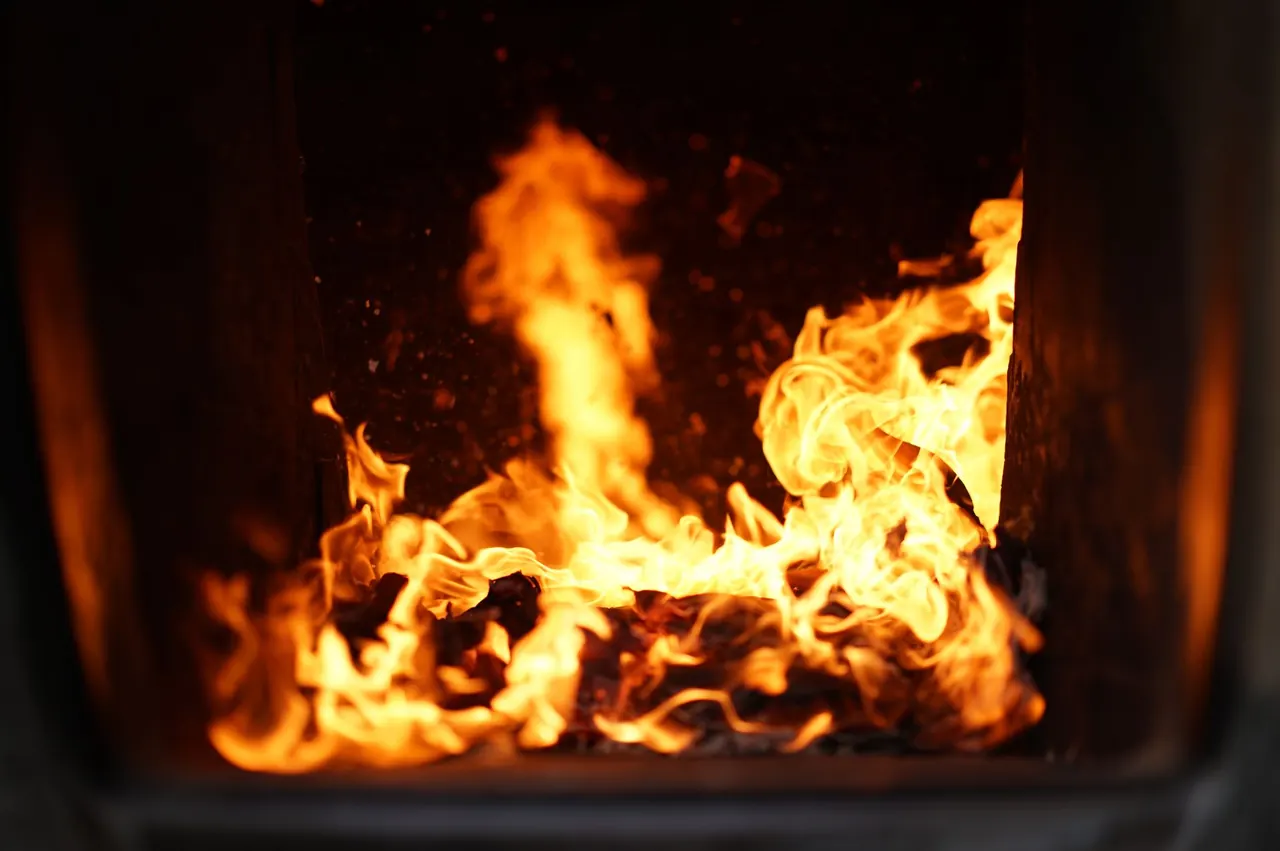
Reach us any hour at (419) 287-8289. We answer live calls overnight and on weekends, and most repairs in Lima and Allen County get a tech on site the same day. Tell us what your furnace is doing and we will give you a straight answer and an arrival window.