Focused arrival windows
Useful updates and clear arrival timing.
When your building's heat quits in January, you can't wait three days for a callback. Commercial Furnace Repair in Lima from our NATE-certified techs covers rooftop units, boiler-room furnaces, and warehouse heaters across Allen County. We stock Carrier, Trane, and Lennox parts on the truck, so most business furnace repair in Lima gets finished in one visit. Call (419) 287-8289 and we'll roll a van your way.
Useful updates and clear arrival timing.
Review the approach and price before deciding.
Equipped vehicles and respectful cleanup.
Neighbors serving neighbors with follow-through.
Every commercial furnace repair call starts with a full diagnostic and ends with a tested, code-correct furnace. Here's what's covered in a standard visit, and what we treat as an add-on so there are no surprises on the invoice.
We pull stored fault codes, test the ignition sequence with a multimeter, and check flame signal with a combustion analyzer. You get a plain-English explanation of what failed and a flat price to fix it. Diagnostic fee is credited toward the repair when you approve the work.
Igniters, flame sensors, thermocouples, gas valves, blower motors, inducer motors, limit switches, and control boards are all covered. We stock common parts on the van, so most repairs finish in one visit. If a part isn't on board, we source it locally the same day when possible.
Every gas repair gets a leak test at each fitting, and every job ends with a carbon monoxide check. We also verify the heat exchanger with an inspection camera when the unit's age or symptoms warrant it. Safety testing isn't optional on a commercial gas appliance.
After the repair we run a full heating cycle and measure temperature rise against the data plate spec. We check limit and rollout switches, verify venting, and confirm the unit meets ACCA standards. You get a written report of what we found and fixed.
We check your furnace filters and note the size so you can reorder. We also flag anything likely to fail next, like a blower motor drawing high amps or an aging control board. That gives you time to budget instead of getting surprised mid-winter.
Share what is happening and receive a clear next step from the local team.
Commercial Furnace Repair in Lima is the diagnostic and repair work that gets a business heating system running again after a failure, a lockout, or a long stretch of short cycling. Our techs pull fault codes, test the ignition sequence with a multimeter and combustion analyzer, and trace the problem to a failed igniter, a dirty flame sensor, a bad blower motor, or a tripped limit switch. We work on packaged rooftop units, split systems, and boiler-room furnaces up to 400,000 BTU. Most calls end with a working furnace and a written report of what failed and why.
Lima winters hit hard, and commercial buildings here feel it. Older downtown storefronts on West Market Street run furnaces that were sized for a different era, while warehouses off Bellefontaine Road fight uneven heating every January. When a furnace quits, you're looking at frozen pipes, unhappy tenants, and lost revenue. That's why we treat business furnace repair Lima calls as priority work, and why we keep common control boards, gas valves, and inducer motors on the shelf. If you search commercial furnace repair in Lima OH near me at 6 a.m., we want to be the call that answers.
You call (419) 287-8289 and talk to a real person, not a call center. We ask what the furnace is doing, whether it's a rooftop unit or boiler-room furnace, and whether you smell gas. That five-minute conversation lets us load the right parts and send the right tech. Gas smell means we treat it as an emergency and walk you through shutting the valve.
A NATE-certified tech arrives, usually within a few hours. We pull the fault codes, test the ignition sequence with a multimeter, check flame signal with a combustion analyzer, and inspect the heat exchanger with an inspection camera. You get a plain-English explanation of what failed and a flat price to fix it before we touch a wrench.
Once you approve, we swap the failed component. Igniters, flame sensors, thermocouples, gas valves, blower motors, inducer motors, and control boards are all common jobs. Most repairs take one to three hours. If a part isn't on the van, we source it locally the same day whenever possible.
After the repair we run the furnace through a full cycle, measure temperature rise, and test for carbon monoxide and gas leaks. We check the limit switch and rollout switches, verify venting, and confirm the unit meets ACCA standards. You get a written report listing what we found and what we fixed.
Before we leave, we check your furnace filters and note the size so you can reorder. We also flag anything that will likely fail next, like a blower motor drawing high amps or a heat exchanger showing early cracks. That gives you time to budget instead of getting surprised in February.
Measures carbon monoxide, oxygen, and flue temperature to verify the furnace is burning clean and safe. We use it on every job before we call it done.
Tests gas pressure at the valve and verifies it matches the data plate spec. Also used for leak testing every fitting after a gas valve replacement.
Traces electrical faults through the ignition sequence and measures blower motor amp draw. High amp draw is an early warning of a motor about to fail.
Confirms whether a standing pilot or flame sensor is producing the signal the control board needs. Saves time versus swapping parts blindly.
Lets us see inside the heat exchanger without pulling the furnace apart. Essential for spotting cracks that would otherwise go unnoticed.
Pulls stubborn blower motors without damaging the housing, and straightens bent condenser or evaporator fins that restrict airflow.
Used on related refrigeration work and to evacuate lines when a commercial system needs more than a furnace repair.
We follow the manufacturer's ignition sequence step by step instead of guessing. That means testing power, thermostat signal, inducer vacuum, ignition, flame signal, and blower operation in order. It's slower than parts-swapping, but it finds the real fault the first time.
Any refrigerant handling on related commercial equipment follows EPA Section 608 rules. Our techs hold the credentials, and we document refrigerant use properly. It matters for compliance and for the environment.
We check temperature rise and airflow against ACCA standards, not just against what feels warm. A furnace running outside its rated rise is wasting gas and stressing the heat exchanger. We adjust or flag it.
Commercial job sites have their own safety rules. We follow OSHA compliance requirements, coordinate with building managers, and lock out equipment before working on it. No shortcuts around safety.
We dispatch a commercial tech the same day and diagnose the fault on site. If it's an ignition or flame sensor issue, we fix it from van stock. If a part needs sourcing, we tell you the timeline up front and get the building warm as fast as possible. The store opens on time with heat running, and the owner has a written report of what failed and what to watch next.
We check blower amp draw, duct static pressure, and damper settings instead of assuming the furnace is bad. Often the fix is airflow balancing or a failing blower motor. We test temperature rise at each zone to confirm the fix. Even temperatures across the floor, fewer complaints, and a furnace running closer to its rated efficiency.
We come out the same evening, clean or replace the flame sensor, and test flame signal with a combustion analyzer. We also check the limit switch and filters to make sure the root cause is fixed, not just the symptom. The furnace runs a full cycle without shutting off, dinner service finishes, and the repair costs under $250 in most cases.
We treat gas smell as an emergency and walk the caller through shutting the gas valve before we dispatch. A tech arrives, leak-tests every fitting with a manifold gauge set, and repairs or replaces the failed gas valve. We never leave without a clean leak test. The building is safe, the tenant is back in, and the property manager has documentation of the leak test for their records.
Lima's commercial building stock is a mix of older downtown storefronts, mid-century warehouses, and newer light-commercial construction. That mix means we see everything from standing-pilot furnaces in century-old buildings to packaged rooftop units on buildings less than ten years old. Winters here swing hard: a mild December can turn into a single-digit January, and furnaces that limped through fall fail fast when the temperature drops. We plan for that by stocking ignition parts and control boards heavily from October through March. If you're searching for a commercial furnace repair company Lima OH that actually answers the phone in January, that's the gap we fill. We also handle the smaller stuff, like a business furnace repair near me Lima call for a single failed flame sensor, because a $200 fix today beats a $2,000 replacement in February. Our techs work across Allen County and know which buildings have steam boilers, which run forced air, and which have had repeated problems in past winters.
Older downtown buildings with a mix of steam boilers and forced-air furnaces. Many have original ductwork that restricts airflow and stresses blower motors.
Retail and restaurant spaces where a furnace failure during business hours directly costs revenue. Same-day response matters most here.
Larger commercial and warehouse buildings running packaged rooftop units. Uneven heating and blower motor failures are common calls.
Mixed-use buildings where residential and commercial systems share space. We often find undersized furnaces trying to heat more square footage than they were designed for.
Furnaces run longer and hotter, which exposes weak igniters, dirty flame sensors, and marginal blower motors. Calls spike, and we staff for it.
Restricted airflow causes limit switch trips and short cycling. We check static pressure and often find the furnace is fine but the ducts aren't.
Some Lima buildings have furnaces sized for a different use than they serve today. We flag undersized units before they fail mid-winter.
A Miraflores restaurant called us in January because the furnace kept shutting off every few minutes during dinner service. The dining room was cold, customers were complaining, and the owner was ready to replace the furnace.
We found a dirty flame sensor causing the lockout, cleaned it, and tested flame signal with a combustion analyzer. The furnace ran a full 20-minute cycle without shutting off. Total cost was under $250, and the owner avoided a $4,000 replacement.
Maintenance: Clean the flame sensor annually and change filters every 60 to 90 days during heating season. A $15 filter is cheaper than a service call.
A San Isidro warehouse furnace wouldn't fire at all. The pressure switch never closed, so the control board locked out every cycle. Workers were wearing coats indoors and productivity was dropping.
We tested inducer vacuum with a manometer, confirmed the motor was failing, and replaced it from van stock. The furnace fired on the first cycle and held temperature rise within spec. Repair took about three hours and cost $620 in parts and labor.
Maintenance: Have the inducer checked at fall service. Bearing noise is an early warning, and catching it early avoids a mid-winter failure.
A Cercado de Lima property manager reported a gas smell near the furnace room on a Sunday night. The tenant had evacuated, and the building was without heat.
We walked the manager through shutting the gas valve, then dispatched a tech. The gas valve body was leaking at a fitting. We replaced the valve, leak-tested every connection with a manifold gauge set, and verified combustion. The building was back in service the same night.
Maintenance: Schedule annual gas leak testing and keep the furnace room clear of stored items. A clean, accessible furnace room makes emergency service faster.
Most commercial furnace calls fall into a handful of patterns. Here are the ones we see most often across Allen County, and what happens if you let them ride.
Every hour without heat risks frozen pipes, unhappy tenants, and lost revenue. In a Lima January, a cold building can hit freezing indoors within a few hours of a hard cold snap. We trace the ignition sequence from breaker to control board and find the break. Most no-start calls trace to a failed igniter, dirty flame sensor, or bad gas valve, and we stock those parts on the van. Same-day commercial furnace repair Lima is the goal on every no-heat call.
Short cycling wears out igniters, control boards, and blower motors fast, and it leaves the building cold. It also spikes your gas bill because the furnace never runs efficiently. We check flame signal, limit switches, and airflow to find the root cause instead of just resetting the unit. A dirty flame sensor or a tripped limit switch is usually the culprit. Fixing the cause stops the cycle and saves the components.
Cold air from the vents means the blower runs but the burners never fire, or the unit is locking out. Your building gets colder the longer it runs, and the problem usually gets worse, not better. We diagnose ignition, flame signal, and gas valve operation with a combustion analyzer and manifold gauge set. Most cold-air calls end with a same-day fix. If the heat exchanger is cracked, we tell you straight and walk through replacement options.
Noise is usually an early warning. A failing blower motor or loose inducer can seize entirely, turning a $400 repair into a $1,500 one. Delayed ignition bangs can also stress the heat exchanger over time. We identify the noise source and fix it before it becomes a bigger failure. Blower motor pulls, inducer replacements, and ignition adjustments are all common. We test amp draw and vacuum to confirm the repair holds.
$180 - $850 depending on scope
Commercial furnace repair in Lima runs $180 to $850 in 2026 for most jobs, with the low end covering ignition and sensor repairs and the high end covering blower motors, inducer motors, and control boards. We quote a flat price after diagnosis, and the diagnostic fee is credited toward the repair when you approve the work. If you've been searching for affordable business furnace repair Lima Ohio, the honest answer is that the cheapest repair is the one done right the first time. We don't pad labor hours or push replacements you don't need.
Flat-rate pricing means you know the number before we start. The diagnostic fee credits toward the repair, and every job carries a parts and labor warranty. That's what keeps commercial accounts coming back instead of shopping around.
A flame sensor or igniter is a $180 to $400 repair. A blower motor, inducer motor, or control board runs $450 to $850 because of parts cost and labor time. Gas valves sit in the middle.
Rooftop packaged units take longer to access and require ladder or hatch time. Boiler-room furnaces are usually faster to reach. Access adds 30 to 60 minutes on rooftop jobs.
Emergency calls outside business hours carry an after-hours rate. We tell you the rate before we dispatch, so there's no surprise on the invoice. Same-day business-hours calls don't carry the premium.
Common Carrier, Trane, Lennox, Goodman, Rheem, Bryant, York, and Amana parts ride on the van. Proprietary or obsolete parts may need sourcing, which can add a day to the timeline but not necessarily to the cost.
Older furnaces often have more than one failing component. If we find a cracked heat exchanger alongside a bad igniter, the repair scope changes. We tell you before we start, not after.
Our downtown building lost heat on a Friday afternoon and the tenant was furious. Lima Furnace Repair Pros had a tech out within three hours, found a failed inducer motor, and had the part on the van. Heat was back by 7 p.m. They showed me the amp readings before and after, which I appreciated. We've used them twice since.
The furnace at our restaurant started short cycling during dinner service in January. They came out the same evening, cleaned a dirty flame sensor, and tested everything with a combustion analyzer. Cost was under $250 and they didn't try to sell me a new furnace. That's why I keep their number on the wall.
Our warehouse furnace was blowing cold air and the crew was working in coats. The tech traced it to a bad gas valve, replaced it, and leak-tested every fitting before he left. Took about three hours total. He also flagged a blower motor that was drawing high amps so we could budget for it. Straight answers, fair price.
Most commercial furnace repairs in Lima run $180 to $850 in 2026, depending on the failed part and whether it's a rooftop unit or boiler-room furnace. A flame sensor or igniter swap sits at the low end. A blower motor, inducer motor, or control board replacement lands higher because of parts cost and labor time. We quote a flat price after diagnosis, and the diagnostic fee is credited toward the repair.
Lima Furnace Repair Pros repairs commercial furnaces across Allen County, including rooftop packaged units, split systems, and boiler-room furnaces. Our techs hold NATE certification and EPA Section 608 credentials, and we stock Carrier, Trane, Lennox, Goodman, Rheem, Bryant, York, and Amana parts on the van. Call (419) 287-8289 and we'll dispatch a commercial tech, usually the same day.
Yes. We run 24/7 emergency dispatch during heating season for commercial accounts. If your furnace fails at 2 a.m. and your building is losing heat, call (419) 287-8289 and we'll get a tech moving. After-hours rates apply, and we tell you the rate before we dispatch so there's no surprise on the invoice.
Commercial furnaces in Lima should be serviced twice a year: once in early fall before heating season and once in spring after it ends. Fall service catches dirty flame sensors, worn igniters, and cracked heat exchangers before they strand you in January. Spring service clears winter debris and checks blower amp draw. Skipping service is the fastest way to turn a $200 repair into a $2,000 one.
Not seeing your question? Our local team can help you understand urgency, scheduling and what to expect.
Ask the local team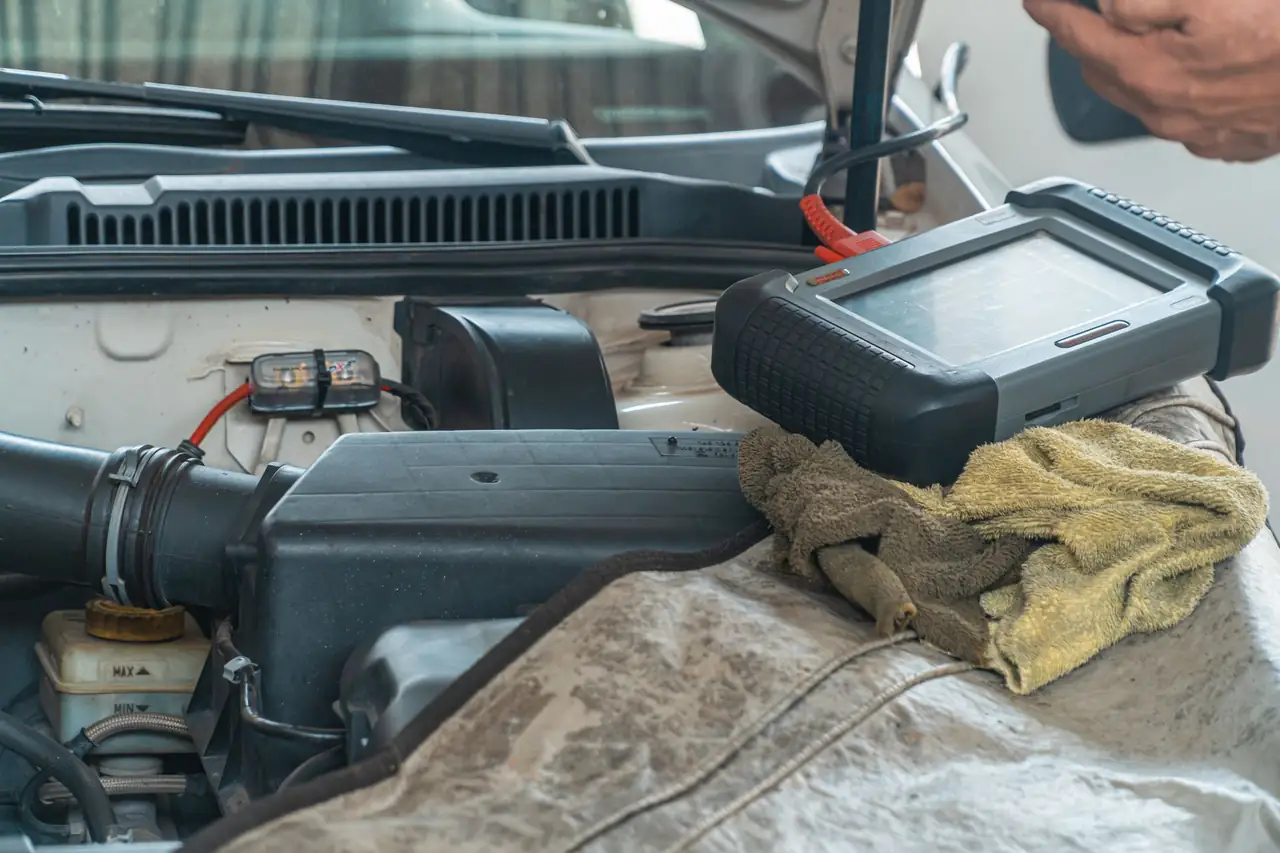
Gas furnaces are the most common commercial heating setup in Lima, and they're what we see most often on service calls. We test gas valves for leaks, check flame signal, and verify venting meets code. If your gas furnace is short cycling or blowing cold air, this is the service to book.
View service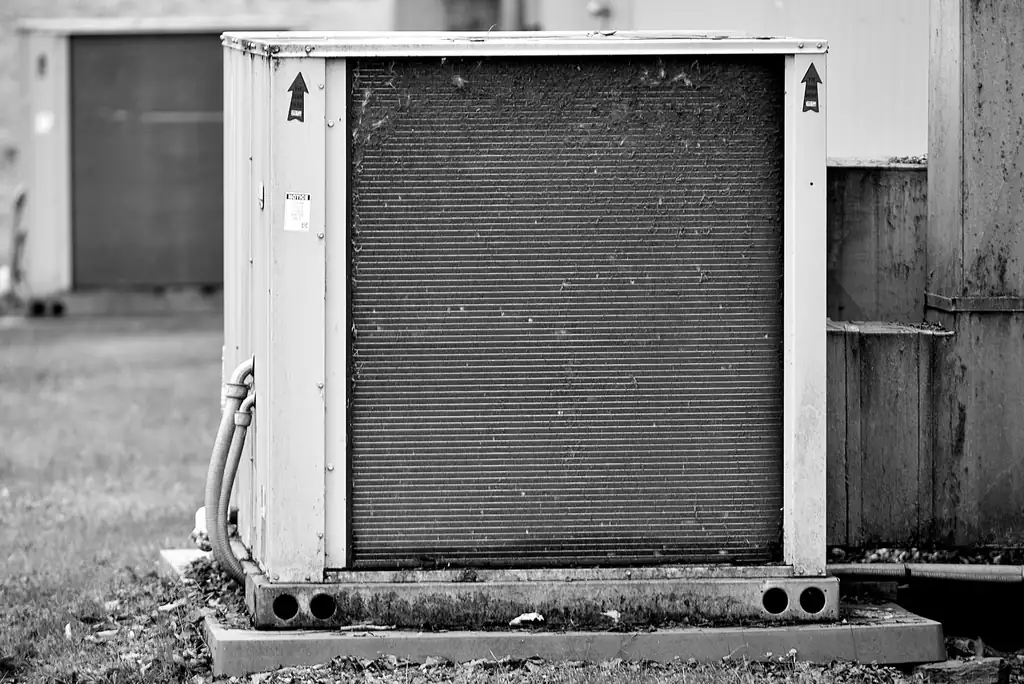
Electric furnaces show up in smaller commercial spaces and add-on zones around Lima. We diagnose failed heating elements, sequencers, and limit switches with a clamp meter and multimeter. Electric heat problems often trace back to a single failed element, which we can usually swap the same day.
View service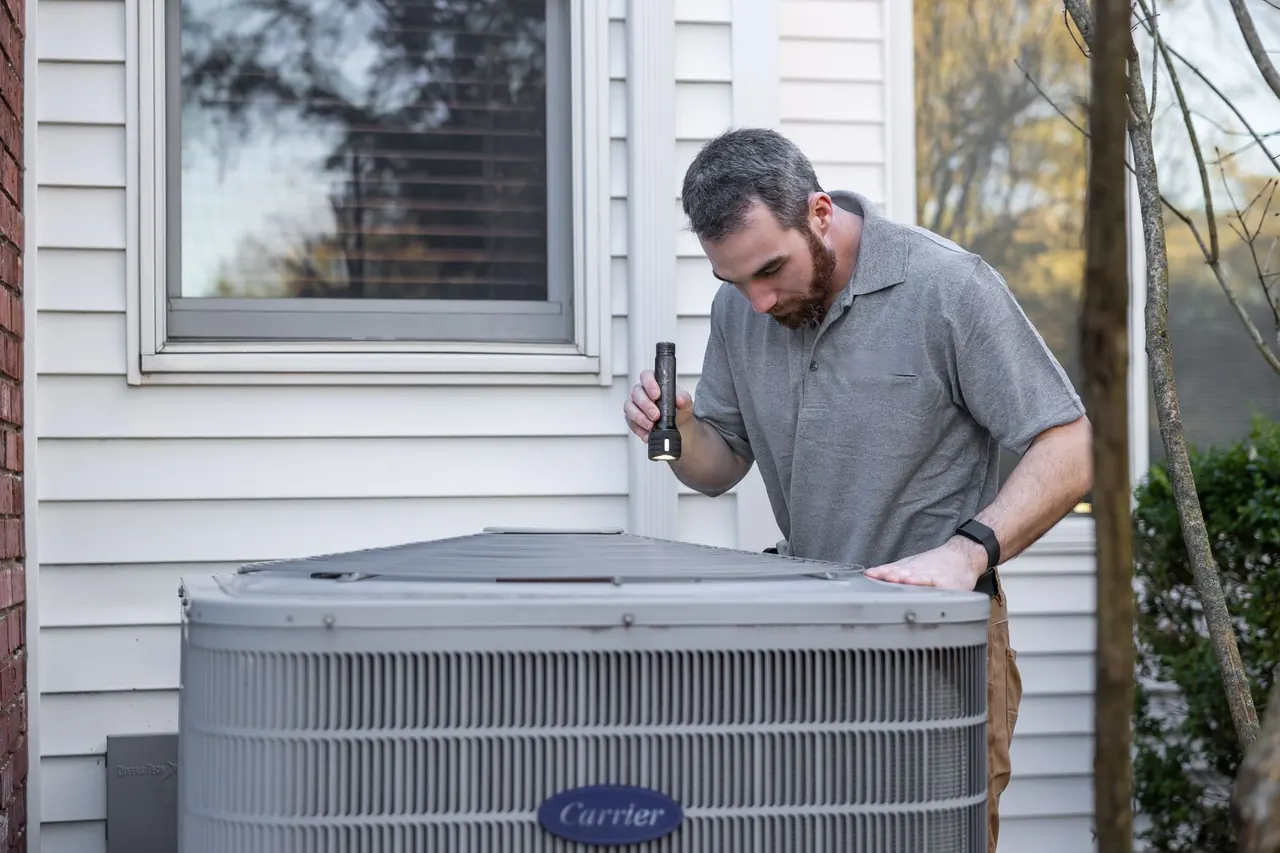
Propane furnaces serve rural commercial properties in Allen County outside the natural gas mains. Propane burns differently and needs its own combustion analysis and orifice checks. We carry propane-rated gas valves and igniters, and we test for leaks at every fitting before we leave.
View service
When a commercial furnace dies at 2 a.m. and your building is losing heat fast, emergency service is the call. We run 24/7 dispatch during heating season, and we triage gas smells and no-heat calls first. Call (419) 287-8289 and we'll get a tech moving toward you.
View service
Reach us any hour at (419) 287-8289. We answer live calls overnight and on weekends, and most repairs in Lima and Allen County get a tech on site the same day. Tell us what your furnace is doing and we will give you a straight answer and an arrival window.