Focused arrival windows
Useful updates and clear arrival timing.
When your furnace clicks but never lights, the gas valve is usually the culprit. Our licensed techs handle furnace gas valve repair Lima OH with same-day dispatch, testing the valve, thermocouple, and flame sensor before we touch a single part. We serve homeowners across Allen County, from 45801 to 45805, and we carry common valves for Carrier, Trane, Lennox, and Goodman units on the truck. Call (419) 287-8289 and we will tell you straight what is wrong.
Useful updates and clear arrival timing.
Review the approach and price before deciding.
Equipped vehicles and respectful cleanup.
Neighbors serving neighbors with follow-through.
Every gas valve call includes diagnosis, repair or replacement, and a full safety test. We do not sell parts you do not need, and we do not skip the combustion check. Here is what is covered when we come out.
We test the valve coil, check 24-volt signal at the terminals, verify inlet and outlet pressure with a manifold gauge set, and confirm the valve opens on call. This isolates the real fault so you are not paying for a part that was never the problem.
When the valve has failed, we install a replacement matched to your furnace brand, fuel type, and BTU input, with new gaskets and gas-rated sealing compound. Common Honeywell and White-Rodgers valves come off the truck, not a warehouse shelf.
We pressurize the gas train, check every joint with soap solution, and run a combustion analyzer at the flue. Manifold pressure is set to the data plate spec, and carbon monoxide readings are documented. We do not leave a gas appliance untested.
A gas valve fault often travels with a dirty flame sensor, a weak igniter, or a tripped limit switch. We inspect those while the burner is open, so a cheap part does not shut you down again next week. We only replace what has actually failed.
You get the manufacturer warranty on the valve plus our labor warranty, along with the combustion readings and a plain-English summary of what failed. The next tech who services your furnace knows exactly what was done and when.
Share what is happening and receive a clear next step from the local team.
Furnace gas valve repair Lima OH is the diagnostic and mechanical work of restoring safe, metered gas flow to your burner assembly so the furnace fires and holds a flame. The valve is a solenoid-controlled shutoff that opens only when the control board, igniter, and safety switches all agree. When it sticks closed, you get a furnace that runs its inducer, clicks, and then shuts down cold. We test coil resistance with a multimeter, check inlet and outlet pressure with a manifold gauge set, and confirm the valve opens on call before we ever quote a replacement.
Most Lima homeowners call us after a no-heat night in January, when the furnace short cycles or blows cold air and the house drops below 60 degrees. Older units in Breña and Cercado de Lima often run on Honeywell or White-Rodgers valves that fail after 12 to local experience. If you searched for furnace gas valve repair near me Lima at 2 a.m., you are not alone; we run emergency calls through the winter. Our techs carry replacement valves for the brands we see most, so a same-day furnace gas valve repair Lima is realistic rather than a promise.
When you call (419) 287-8289, we ask what the furnace is doing: clicking without lighting, short cycling, or blowing cold air. That tells us whether to load a specific valve or a diagnostic kit. We give you a two-hour arrival window, not a vague all-day promise, and we text when the tech is on the way.
The tech pulls the burner door, checks the inducer and pressure switch, then meters the gas valve coil and verifies 24-volt signal at the valve terminals. This takes 20 to 40 minutes. You get a plain-English explanation of what failed and a price before any part is ordered or installed.
We shut the gas at the appliance valve, break the union, and swap the valve, using new gaskets and sealing compound rated for natural gas or propane. A residential valve swap runs 45 to 90 minutes. We match the valve to your furnace brand and BTU input, never a universal fit that runs rich or lean.
After reassembly, we pressurize the gas train, check every joint with soap solution, and run a combustion analyzer at the flue. We confirm carbon monoxide stays within safe limits and the manifold pressure matches the data plate. This step is non-negotiable; we do not leave a gas appliance untested.
We run the furnace through two full heating cycles, watch the flame sensor reading, and confirm the blower kicks on and off on schedule. Then we walk you through what failed, what we replaced, and how to keep it running. You get the warranty paperwork before we pack up.
Measures inlet and outlet gas pressure at the valve so we can confirm the valve is metering correctly and set manifold pressure to the data plate spec.
Tests gas valve coil resistance and verifies the 24-volt signal from the control board at the valve terminals. This is how we prove the valve is the fault.
Reads flue gas oxygen, carbon monoxide, and temperature after the repair. We document these readings so you know the furnace is burning safely.
Checks standing-pilot thermocouple output on older furnaces, since a weak thermocouple will hold the gas valve closed and mimic a valve failure.
Confirms the flame signal in microamps. A dirty or weak flame sensor shuts the gas valve down seconds after ignition and looks like a valve fault.
Lets us look at the heat exchanger and burner compartment without a full teardown, so we can rule out cracks or blockages before quoting a valve.
Measures current draw on the inducer and blower motors, which helps us confirm airflow and draft are correct before the gas valve is allowed to open.
Our techs follow NATE-certified diagnostic sequences, working the ignition order from thermostat call to flame. That means we test the valve in context, not in isolation, and we do not replace parts that are still doing their job.
We size and set gas valves to ACCA standards for combustion air and venting, so the furnace gets the airflow it was designed for. Correct airflow keeps the limit switch from tripping and extends valve life.
Our techs hold EPA Section 608 credentials, which cover safe handling of regulated substances and combustion equipment. It is part of how we keep gas work code-correct and safe.
Every gas call follows OSHA safety compliance, from lockout procedures to leak testing. We treat a residential furnace with the same safety discipline as commercial equipment, because gas is gas.
After any valve replacement, we pressurize the gas train, check every joint with soap solution, and run a combustion analyzer at the flue. No gas appliance leaves our hands untested, and you get the readings in writing.
This is the classic stuck gas valve symptom. We dispatch a tech with common valves on the truck, meter the coil, and replace the valve if it has failed. We also check the igniter and flame sensor while the burner is open. Heat is restored the same visit in most cases, and you get combustion readings proving the furnace is running safely.
We test the gas valve, flame sensor, and limit switch together. On older units, a weakening valve coil or a dirty flame sensor is usually the cause. We replace only the failed part and verify full cycles afterward. The furnace runs complete heating cycles again, the house holds temperature, and you avoid replacing a furnace that still has years left.
Shut the gas off at the appliance valve and call us immediately at (419) 287-8289. We inspect the gas train, test the valve and connections, and leak-test every joint before restoring service. Gas odors are never something to wait on. You get a verified, leak-free gas train and a furnace that fires safely, with documentation of the repair.
A valve sized for natural gas will not meter propane correctly. We check the valve orifice and manifold pressure, replace the valve with a propane-rated unit if needed, and set pressure to the data plate spec with a combustion analyzer. The furnace burns clean and steady on propane, with correct manifold pressure and safe flue readings.
Lima winters are hard on furnaces. When the temperature drops into the teens and stays there, your furnace runs near-continuous cycles, and that is when a tired gas valve finally quits. We see it most in the older housing stock around Cercado de Lima and Breña, where furnaces from the early 2000s are still running original Honeywell and White-Rodgers valves. Those coils typically fail between 12 and local experience. Newer builds in Santiago de Surco and La Molina tend to have high-efficiency two-stage furnaces, which use different valve bodies and need a combustion analyzer to set up correctly. We handle both. If you need furnace gas valve replacement Lima homeowners trust, we stock common valves so most calls finish the same day. We also run emergency furnace gas valve repair Lima OH through the heating season, because a no-heat call in January is not something you can wait on. Our techs work under an Ohio HVAC license and follow ACCA standards on every install, and we serve 45801, 45804, and 45805 as our core ZIP codes.
Older housing stock with furnaces from the early 2000s, many still on original gas valves. We see a high rate of coil failures here after 12 to 15 years.
Dense residential blocks with a mix of rental and owner-occupied homes. Landlords call us for no-heat emergencies and want clear documentation for tenants.
Newer builds with high-efficiency two-stage furnaces. These need a combustion analyzer and correct manifold pressure setup after any valve replacement.
Larger homes with zoned systems and longer duct runs. Airflow issues here can trip limit switches and shut the gas valve down as a safety response.
A mix of mid-century and newer homes. We often find propane conversions here that need a propane-rated valve and a pressure reset.
Furnaces run near-continuous cycles, which accelerates gas valve coil wear. This is when most no-heat calls come in, and why we prioritize emergency dispatch in winter.
Coils fail between 12 and 15 years. We stock common replacement valves so a failed coil does not mean waiting days for a special order in cold weather.
These use different valve bodies and require combustion analyzer setup after replacement. We match the valve to the model and verify manifold pressure to the data plate.
A natural gas valve will not meter propane correctly. We check the orifice and replace with a propane-rated valve, then set pressure with a combustion analyzer.
A homeowner in Cercado de Lima had a Carrier furnace that clicked and shut down every night. Indoor temperature dropped to 58 degrees. Two prior companies quoted a full furnace replacement without metering the valve.
We metered the coil, found it open, and replaced the gas valve with a matching Honeywell unit the same day. Combustion readings came back within spec, and the furnace held 70 degrees through the night.
Maintenance: Replace the furnace filter every 60 days and schedule a combustion check each fall. Clean airflow keeps the limit switch from tripping and extends valve life.
A Trane furnace short cycled every few minutes and never reached the thermostat setting. The homeowner assumed the gas valve was failing and was ready to replace it.
Diagnosis showed a dirty flame sensor, not a valve fault. We cleaned the sensor, confirmed the valve opened on call, and verified two full heating cycles. The repair cost a fraction of a valve replacement.
Maintenance: Have the flame sensor cleaned annually. A weak flame signal shuts the gas valve down seconds after ignition and mimics a valve failure.
A converted propane furnace ran rich and would not light reliably. The gas valve was still set up for natural gas, so manifold pressure was wrong and the burner sooted.
We replaced the valve with a propane-rated unit, set manifold pressure to the data plate spec, and ran a combustion analyzer at the flue. The furnace now lights on the first try and burns clean.
Maintenance: After any fuel conversion, verify the valve orifice and pressure with a combustion analyzer. Recheck flue readings each fall before the heating season.
Most gas valve calls start with the same three complaints: the furnace clicks without lighting, it blows cold air, or it shuts down mid-cycle. Here is what is actually happening and how we fix it.
The burner never fires, so the house loses heat fast. In a Lima January, indoor temperatures can drop below 60 degrees within hours, and pipes near exterior walls become a real risk. We meter the gas valve coil and check the 24-volt signal from the control board. If the coil is open or the valve will not open on call, we replace it with a correctly sized valve and verify ignition on two full cycles before we leave.
The blower runs but the burner is not firing, which usually means the gas valve is stuck closed or a safety switch is holding the circuit open. Running the blower on cold air also wastes electricity and wears the motor. We work the ignition sequence from thermostat call to flame, testing the valve, flame sensor, and limit switch. Once we confirm the valve fault, we replace it, leak-test the gas train, and confirm warm air at the registers before we pack up.
Repeated cycling wears out igniters, control boards, and blower motors, and it never lets the house reach temperature. Left alone, it shortens the life of the whole furnace. We check whether the valve is opening late, whether the flame sensor is dirty, or whether the limit switch is tripping on airflow. We fix the root cause rather than resetting the switch, so the furnace runs full cycles again.
A completely dead furnace in winter is an emergency. If the gas valve is the fault, no amount of thermostat adjustment will bring heat back, and the house gets cold while you wait. We run emergency furnace gas valve repair Lima OH calls through the heating season. We diagnose the gas train on arrival, replace the failed valve from stock, and test combustion before we leave. Call (419) 287-8289 for priority dispatch.
$280 - $650 for most residential gas valve replacements, including part and labor
Typical 2026 pricing for furnace gas valve repair Lima OH runs $280 to $650 for a residential valve replacement including labor, with diagnosis at $89 to $150 if you are not already a service customer. The valve itself is usually $120 to $350 depending on brand and BTU input. Emergency and after-hours calls carry a higher rate. We quote the full price before we start, so you decide with real numbers in front of you. If a repair is not worth it, we tell you that too.
A gas valve replacement costs a fraction of a new furnace and usually buys you years more service from the unit you already own. We prove the valve is the fault before quoting, so you are paying for a real fix, not a guess.
Common Honeywell and White-Rodgers valves cost less and come off the truck. Proprietary or high-BTU valves for larger furnaces cost more and may need a special order, which adds a day or two to the job.
Propane valves use a different orifice and pressure setting than natural gas. If your furnace was converted, we may need a propane-rated valve, which affects both part cost and setup time.
Older furnaces in tight closets take longer to open up and reassemble. Restricted access adds labor time, and older units sometimes need new gaskets or fittings along with the valve.
A no-heat call at 2 a.m. in January carries a higher rate than a scheduled weekday visit. We tell you the emergency rate on the phone before we dispatch, so there is no surprise.
A dirty flame sensor, weak igniter, or tripped limit switch often shows up alongside a valve fault. We quote those separately and only replace what has actually failed, so you can approve each item.
Our furnace would click and then nothing. Two other companies told me I needed a whole new furnace. These guys metered the gas valve, showed me the dead coil, and had a replacement on the truck. Heat was back the same afternoon. The price was exactly what they quoted on the phone. I will not call anyone else in Lima.
I manage three rentals near Breña and one of them lost heat on a Sunday in January. They came out, confirmed the gas valve was stuck closed, and swapped it in about an hour. They also cleaned the flame sensor while they were in there and did not charge extra. Fair pricing and they explained everything to my tenant.
My Trane furnace was short cycling and blowing cold air. The tech checked the control board signal, the valve, and the limit switch before quoting anything. Turned out the valve was fine and a dirty flame sensor was the problem. He fixed it for a fraction of what I expected. Honest diagnosis, no upsell.
Most residential gas valve repairs in Lima run $280 to $650 in 2026, including the part and labor. The valve itself is usually $120 to $350 depending on brand and BTU rating, and diagnosis adds $89 to $150 if you are not already a service customer. Emergency or after-hours calls carry a higher rate. We quote the full price before we start, so there is no surprise on the invoice.
Licensed HVAC companies with gas handling credentials, like our team at Lima Furnace Repair Pros. Gas valve work is not a handyman job; it touches the gas train and requires leak testing and combustion analysis afterward. We hold NATE certification and work under an Ohio HVAC license, and we serve all of Allen County including 45801, 45804, and 45805. Call (419) 287-8289 to schedule.
The most common causes are a failed solenoid coil, a weak 24-volt signal from the control board, or a safety switch holding the circuit open. A dirty flame sensor or failed igniter can also mimic a valve fault. We meter the coil and check voltage at the valve to isolate the real cause. In older Lima furnaces, coil failure after 12 to 15 years is the usual answer.
In most cases it is replaced, not repaired. Gas valve solenoids are sealed assemblies, so once the coil or internal seat fails, the safe fix is a new valve matched to your furnace. A few issues, like a loose wire or a bad connection at the terminals, can be corrected without a new part. We test first and only replace when the valve itself has failed.
Not seeing your question? Our local team can help you understand urgency, scheduling and what to expect.
Ask the local team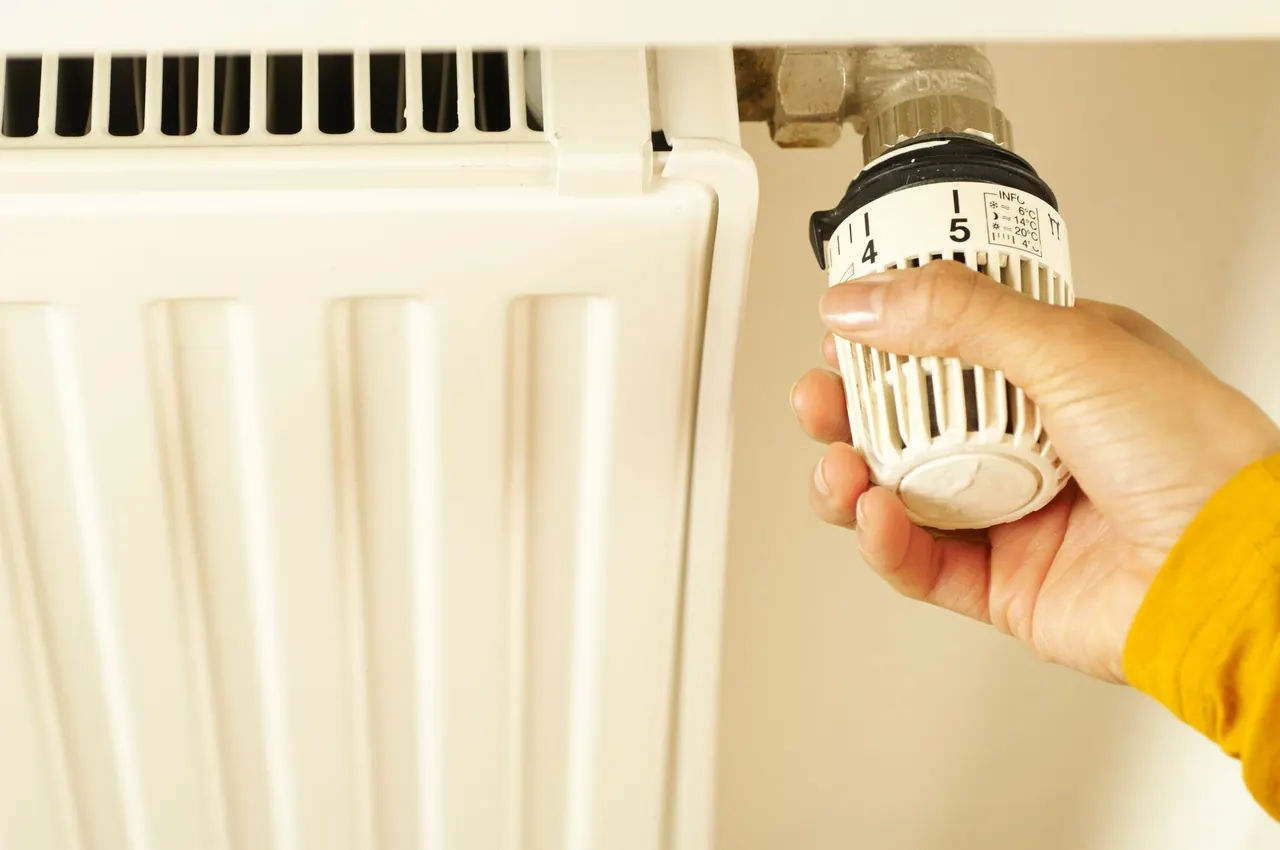
Gas furnace repair covers the whole appliance, and a gas valve fault is one of its most common causes. If your furnace clicks without lighting or shuts down mid-cycle, we diagnose the gas train first. We serve Lima and Allen County with same-day no-heat service.
View service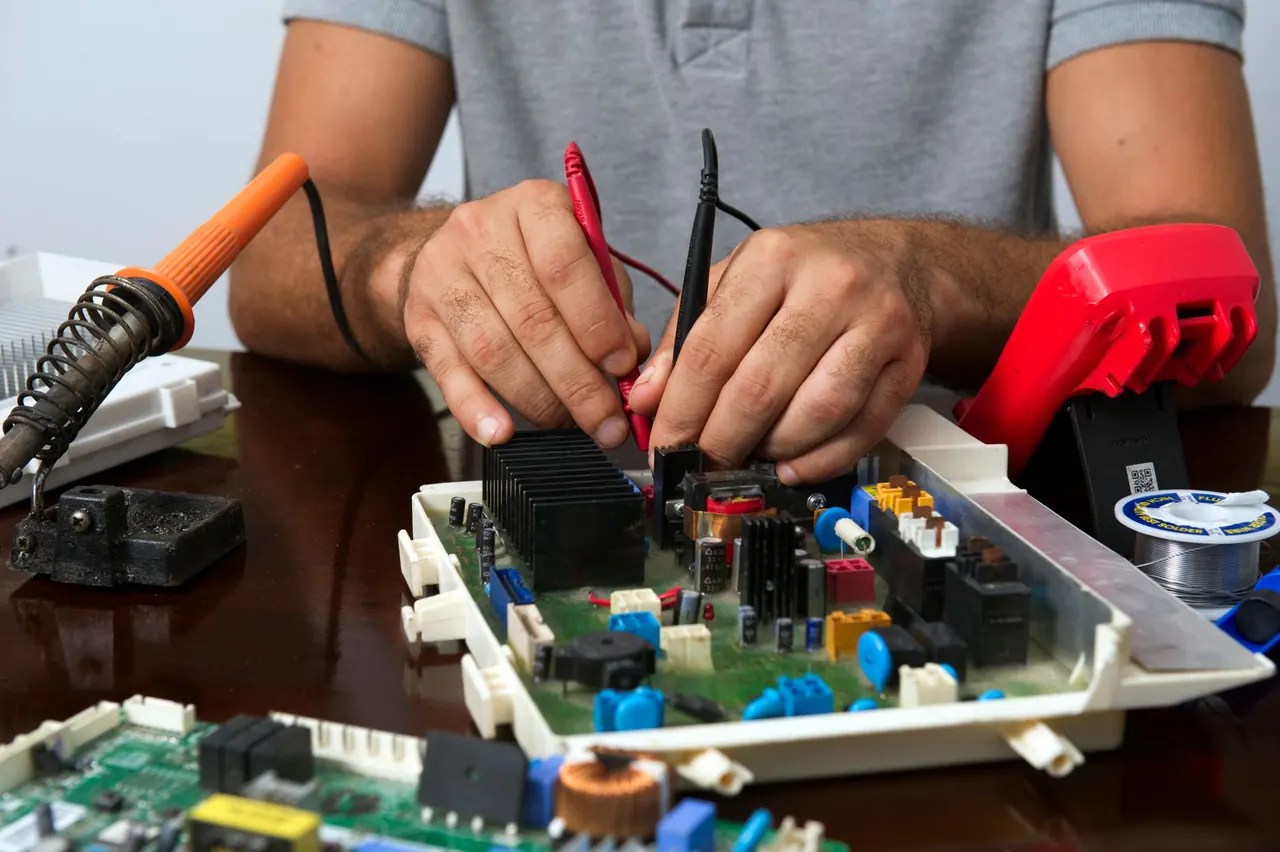
Electric furnaces use sequencers and heating elements instead of a gas valve, but the no-heat symptoms look identical. If you are not sure which system you have, we identify it on arrival. We repair both types across Lima, from 45801 to 45805.
View service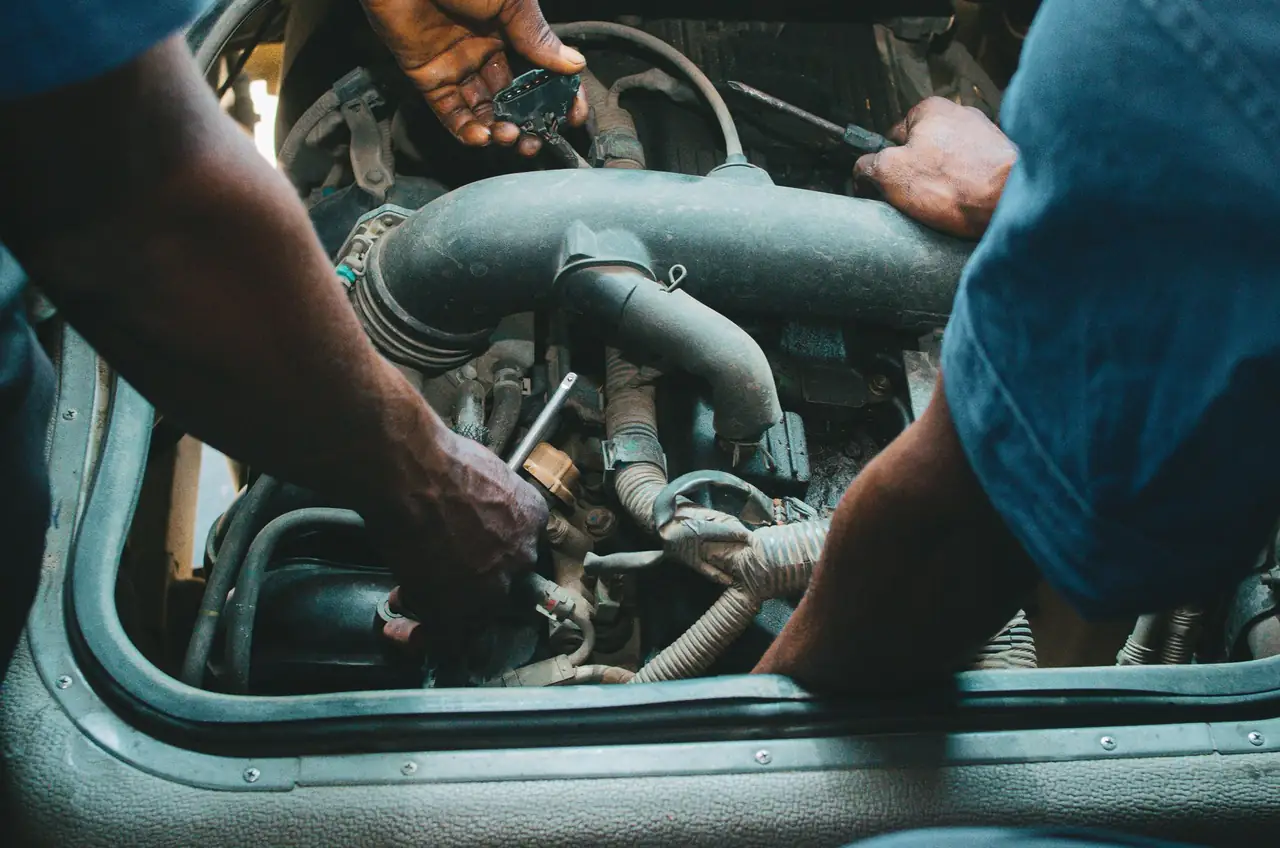
Propane furnaces use a different gas valve orifice and pressure setting than natural gas units. A valve sized for natural gas will run wrong on propane. We match the valve to your fuel type and verify manifold pressure with a combustion analyzer before we leave.
View service
A dead furnace in a Lima winter is an emergency, and a stuck gas valve is a frequent cause. We run 24/7 through the heating season and prioritize no-heat calls. Call (419) 287-8289 and we will dispatch a tech with the right parts on the truck.
View service
Reach us any hour at (419) 287-8289. We answer live calls overnight and on weekends, and most repairs in Lima and Allen County get a tech on site the same day. Tell us what your furnace is doing and we will give you a straight answer and an arrival window.