Focused arrival windows
Useful updates and clear arrival timing.
When your furnace not turning on Lima OH leaves your family in the cold, our technicians diagnose the fault and restore heat the same day. We test igniters, flame sensors, thermocouples, and control boards with a multimeter and combustion analyzer, then explain exactly what failed. If your furnace won't start in Lima, call (419) 287-8289 and we'll dispatch a licensed tech to 45801, 45804, or 45805.
Useful updates and clear arrival timing.
Review the approach and price before deciding.
Equipped vehicles and respectful cleanup.
Neighbors serving neighbors with follow-through.
Every no-heat call follows the same diagnostic path, whether it's a simple flame sensor cleaning or a full control board replacement. Here's what's covered in the standard visit and what we quote separately.
We test the thermostat call, inducer motor, pressure switch, igniter, flame sensor, gas valve, and control board in sequence. You get a written finding with actual meter readings, not a vague explanation. Diagnostic time runs 45 to 60 minutes.
A combustion analyzer checks CO levels and flue temperature on every no-heat call. If we find a cracked heat exchanger or unsafe CO reading, we red-tag the furnace and explain your options before anyone goes back to sleep in that house.
Igniters, flame sensors, thermocouples, and limit switches are stocked on every truck and included in the quoted repair price. Control boards, inducer motors, and gas valves are quoted separately based on your furnace model and availability.
After the repair, we run the furnace through three full cycles and measure temperature rise at the return and supply. It should fall within the range on your data plate, usually 35 to 65 degrees. If it doesn't, we keep adjusting until it does.
A clogged filter causes most limit switch trips we see in Lima. We check your filter, inspect the blower wheel for debris, and measure static pressure. If airflow is restricted, we tell you exactly what to change and why.
Every repair is backed by a one-year workmanship warranty on top of the manufacturer parts warranty. If the same failure comes back within 12 months, we return at no charge. We put that in writing on your invoice.
Share what is happening and receive a clear next step from the local team.
Furnace not turning on Lima OH is a no-heat diagnostic service that traces why a gas, electric, or propane furnace fails to fire when the thermostat calls for warmth. The usual suspects are a failed igniter, a dirty flame sensor, a tripped limit switch, a bad control board, or a gas valve that never opens. We test each component in sequence with a multimeter and clamp meter, so you get a real answer instead of a guess.
Lima winters routinely drop below 20 degrees, and a furnace that won't start overnight turns a cold house into a frozen-pipe emergency fast. Older homes around Cercado de Lima and Breña often run 15-to-20-year-old Carrier, Trane, and Lennox units with original thermocouples and igniters. If you're searching for a furnace won't start near me Lima option at 2 a.m., we answer the phone and dispatch. Most no-heat calls in Allen County get a same-day fix.
We ask three quick questions: what the thermostat shows, whether the inducer motor spins, and whether you smell gas. That tells us if this is a furnace won't start in Lima Ohio emergency or a standard same-day call. You get a two-hour arrival window, and we text when the tech is en route.
The tech pulls the blower door, checks the LED fault code on the control board, and tests incoming gas pressure with a manometer. A clamp meter confirms the inducer motor is drawing correct amps. This takes 15 to 20 minutes and narrows the fault to two or three candidates.
We test the igniter for continuity, the flame sensor for microamp output, and the thermocouple for millivolt reading. A combustion analyzer checks the heat exchanger for cracks or CO leakage. You watch the readings on the meter, so nothing is hidden.
Once you approve the price, we replace the failed part, restore gas flow, and fire the furnace. We let it run through three full cycles and confirm the temperature rise matches the data plate, usually 35 to 65 degrees. If it short cycles, we keep digging.
Before we leave, we show you the old part, explain why it failed, and check your furnace filter. A clogged filter is the number one cause of limit switch trips we see in Lima. We'll hand you a fresh filter if yours is past due, and set a reminder for your next tune-up.
Measures incoming and manifold gas pressure on natural gas and propane furnaces. Confirms the gas valve is delivering the correct pressure for your altitude and fuel type.
Tests igniter continuity, control board voltage output, and low-voltage thermostat wiring. A reading of 0 ohms on an igniter means it's failed and needs replacement.
Checks CO levels, flue temperature, and combustion efficiency. Used on every no-heat call to rule out a cracked heat exchanger or unsafe burner operation.
Reads microamp output from the flame sensor. Anything below 1.0 microamps causes nuisance shutdowns. We clean or replace the sensor based on the reading.
Measures amp draw on the inducer motor and blower motor. High amps mean a failing motor or a bearing that's about to seize. We catch it before it burns out the board.
Reads millivolt output on standing-pilot furnaces. A thermocouple below 20 millivolts won't hold the pilot open, so the furnace never fires.
Slides into the heat exchanger to check for cracks, corrosion, and blockages you can't see from the outside. Essential on furnaces older than 15 years.
We follow the furnace's own startup sequence: thermostat call, inducer motor, pressure switch, igniter, gas valve, flame sensor, blower. The first step that fails is the fault. This method finds the problem in 45 minutes instead of swapping parts.
After any repair, we measure return and supply air temperature and compare it to the data plate range, usually 35 to 65 degrees. If the rise is off, the furnace will short cycle or overheat. We adjust airflow or gas pressure until it's correct.
Every no-heat call gets a combustion test. We measure CO in the flue and ambient air, check flue temperature, and inspect the heat exchanger with a camera. If CO is above safe limits, we red-tag the furnace and explain your options.
We follow ACCA standards for airflow and static pressure testing on every repair. That means checking the filter, blower wheel, and duct system, not just the failed part. A furnace that's fixed but airflow-restricted will fail again.
We answer the phone 24/7 and dispatch an emergency tech. The van carries igniters, flame sensors, and universal control boards, so most overnight no-heat calls are fixed on the spot without a parts run. Heat restored before sunrise. You get a written finding, a flat-rate invoice, and a one-year warranty on the repair.
We prioritize rental no-heat calls and coordinate access directly with the tenant. You get a photo of the failed part and a digital invoice, so you can approve the repair without being on site. Tenant has heat the same day, and you have documentation for your records. No emergency tenant complaints, no after-hours calls to you.
We test the inducer motor, igniter, and control board individually. If only one component failed, we replace that component instead of quoting a full system. We show you the meter readings that prove the diagnosis. Furnace back online for a fraction of replacement cost. You get another 3 to 5 years out of the unit with annual tune-ups.
We measure static pressure, check the filter and blower wheel, and test the limit switch. Short cycling is almost always airflow or gas pressure. We correct the root cause, not just the symptom. Furnace runs full cycles, the house heats evenly, and your gas bill drops because the furnace isn't restarting every 10 minutes.
Lima's housing stock splits into two groups: pre-1970 homes with original ductwork and mid-century furnaces, and newer construction with high-efficiency two-stage units. Both fail differently. Older Bryant and York standing-pilot furnaces usually need a thermocouple or pilot orifice cleaning. Newer Carrier, Trane, and Lennox units fail at the igniter, flame sensor, or control board. Allen County winters hit single digits multiple times between December and February, and that's when no-heat calls spike. We see a second wave in March when temperature swings cause limit switches to trip on furnaces with dirty filters. If you're searching for emergency furnace not turning on Lima OH help, we run 24/7 dispatch and keep parts for every major brand on the truck. The most common call we get is a furnace won't start in Lima Ohio after a power flicker, which usually means a board lockout that clears with a proper reset and diagnostic.
Older housing stock with original ductwork and many standing-pilot furnaces. Thermocouple and pilot assembly failures are common here.
Mix of renovated homes and newer high-efficiency furnaces. Control board and inducer motor failures show up most in this area.
High rental density means many furnaces run past their service life. Dirty flame sensors and clogged filters drive most no-heat calls.
Larger homes with zoned systems. Uneven heating and short cycling are frequent complaints when the furnace won't stay lit.
North-side neighborhood with a lot of 1990s Goodman and Rheem furnaces. Igniter and pressure switch failures are the usual culprits.
Furnaces run longer cycles, which exposes weak igniters and marginal flame sensors. No-heat calls triple during cold snaps, so we staff extra techs and hold more parts inventory.
Surges damage control boards and leave furnaces in lockout. We see a spike in board replacements after every major storm. A surge protector on the furnace circuit prevents most of these.
Restricted return air causes limit switch trips and short cycling. We measure static pressure and recommend duct corrections when the furnace can't get enough air.
Propane requires different orifice sizing and pressure settings than natural gas. We carry propane-specific parts and test with a manometer to confirm correct operation.
A homeowner in Miraflores called at 7 a.m. after their Carrier furnace clicked but never fired. The house was at 58 degrees and dropping. Two previous companies had quoted a full system replacement without testing the igniter.
We tested the igniter, found it read open on the multimeter, and replaced it with a matched-voltage part. The furnace fired on the first call for heat. Total repair time was 75 minutes, and the invoice came in at $240, not the $4,800 replacement quote.
Maintenance: Replace the igniter every 5 to 7 years as preventive maintenance. Keep the filter changed every 90 days to reduce stress on the ignition system.
A landlord in La Victoria had a tenant reporting the furnace would light for 5 seconds then shut off. The furnace was locking out three times per hour. The tenant had been without consistent heat for two days.
We pulled the flame sensor, cleaned it with steel wool, and tested output at 0.4 microamps before cleaning and 2.8 microamps after. The furnace ran three full cycles without shutting down. Repair cost was $180, and the tenant had heat the same afternoon.
Maintenance: Have the flame sensor cleaned annually during a tune-up. A dirty sensor is the most common no-heat cause we see, and it's preventable.
A homeowner in San Isidro lost heat after a winter storm knocked out power three times in one night. The furnace wouldn't respond to the thermostat at all. The board showed no LED fault code, which usually means it's dead.
We tested the transformer and confirmed 24 volts at the board, but no output to the inducer. The board was fried. We installed a universal replacement, reprogrammed the settings, and verified three full heating cycles. Total cost was $520, and the house was warm in under three hours.
Maintenance: Install a surge protector on the furnace circuit to prevent repeat board failures. Have the board inspected during annual tune-ups.
Most furnace not turning on Lima OH calls fall into a handful of failure patterns. Here's what we see most often and how we fix it.
A clicking furnace with no flame usually means a failed igniter or a control board that isn't sending voltage. Every hour without heat drops your indoor temperature 2 to 3 degrees. We test the igniter for continuity and check the board's ignition output with a multimeter. If the igniter reads open, we replace it with a matched-voltage part and confirm the burners light within 30 seconds of the call for heat.
This is the classic dirty flame sensor symptom. The furnace fires, the sensor can't prove flame, and the gas valve closes. It repeats until the board locks out, usually after three tries. We pull the flame sensor, clean it with steel wool, and test microamp output. Anything below 1.0 microamps gets replaced. Then we run three full cycles to confirm the furnace stays lit.
Power surges can fry control boards or leave the furnace in a lockout state. Homeowners often reset the breaker and assume it's fixed, then wake up to a cold house at 3 a.m. We check the board for fault codes, test the low-voltage transformer, and verify the thermostat is sending a call for heat. If the board is dead, we install a compatible replacement and reprogram the settings.
A furnace blowing cold air usually means the burners aren't staying lit or the limit switch is tripping from overheating. Both waste gas and leave the house cold. We check the limit switch, filter, and blower wheel for restriction, then verify gas pressure at the manifold. If the limit is tripping at 190 degrees, we correct the airflow issue and confirm the temperature rise is back in range.
$180 - $650 for most no-heat repairs; diagnostic fee $89 credited toward the repair
Typical 2026 pricing for a furnace not turning on Lima OH repair runs $180 to $650 depending on the failed part. The diagnostic fee is $89 and gets credited toward the repair if you approve the work. A flame sensor cleaning or igniter replacement sits at the low end. A control board, inducer motor, or gas valve replacement sits higher. We quote the full flat-rate price before we start, so you're never surprised by the invoice. If your furnace won't start in Lima and you want a real number before committing, call us and we'll give you a range over the phone.
A $240 igniter replacement beats a $4,800 furnace replacement every time. We diagnose first, quote flat-rate, and only replace what failed. That's how you get heat back without overpaying for it.
An igniter or flame sensor is a low-cost part with a straightforward replacement. A control board, inducer motor, or gas valve costs more and takes longer to install. The part itself drives most of the price difference.
Older furnaces sometimes need discontinued parts that cost more or take longer to source. Carrier, Trane, and Lennox parts are usually available locally. Less common brands may require an OEM order.
A furnace in a tight closet or attic takes longer to service than one in a basement with clear access. Difficult access adds labor time, which affects the total price.
Standard business-hour calls get standard pricing. Emergency calls after 8 p.m. or on holidays carry a modest after-hours fee. We tell you the exact fee before we dispatch.
Sometimes the no-heat fault is one of two problems. A cracked heat exchanger or a failing blower motor adds cost. We quote each additional repair separately and let you decide what to approve.
Our technicians hold NATE certification and Ohio HVAC licenses, and every tech on the team has passed EPA Section 608 refrigerant handling. We work to ACCA standards on every install and repair, and we follow OSHA safety compliance on gas-line work. That matters when a cracked heat exchanger is in play. We've diagnosed no-heat calls on every major brand sold in Allen County, from 1980s Bryant standing-pilot units to 2024 high-efficiency Goodman two-stage furnaces. When we say we've seen your furnace before, we mean the exact model.
Our furnace stopped firing on a Friday night in January. I called at 9 p.m. and a tech was here by 11. He tested the igniter, showed me it read open on the multimeter, and had a replacement on the truck. We had heat by midnight. The price was exactly what he quoted before he started.
I manage six rental units and two of them lost heat the same week. Lima Furnace Repair Pros diagnosed a dirty flame sensor in one and a failed control board in the other. Both fixed same day. They texted photos of the bad parts. That's the kind of proof I need as a landlord.
Our 18-year-old Trane wouldn't start and two other companies told us to replace it. These guys tested the inducer motor, found it was drawing high amps, and replaced just the motor. Furnace has run all winter since. Saved us thousands over a new system.
The most common cause is a failed igniter or a dirty flame sensor, which accounts for roughly 60 percent of no-heat calls we run in Lima. Other culprits include a tripped limit switch, a bad control board, a failed inducer motor, or a gas valve that won't open. We test each one in sequence with a multimeter and combustion analyzer, so you get the real answer in about 45 minutes.
Call a licensed HVAC technician, not a handyman. Gas furnace work in Ohio requires a licensed contractor, and a failed repair on a gas valve or heat exchanger is a carbon monoxide risk. We're licensed, insured, and NATE-certified, and we carry the parts to fix most no-heat calls on the first visit. Call (419) 287-8289 and we'll dispatch today.
Check three things before you call. First, confirm the thermostat is set to Heat and the batteries are good. Second, check the breaker and the furnace switch, which looks like a light switch near the unit. Third, replace the filter if it's gray and clogged. If the furnace still won't start in Lima Ohio after those three checks, it's a component failure and you need a technician.
Typical 2026 pricing in Lima runs $180 to $650 for a no-heat repair. A flame sensor cleaning or igniter replacement sits at the low end. A control board, inducer motor, or gas valve replacement sits higher. The diagnostic fee is $89 and gets credited toward the repair if you approve the work. We quote the full price before we start.
Not seeing your question? Our local team can help you understand urgency, scheduling and what to expect.
Ask the local team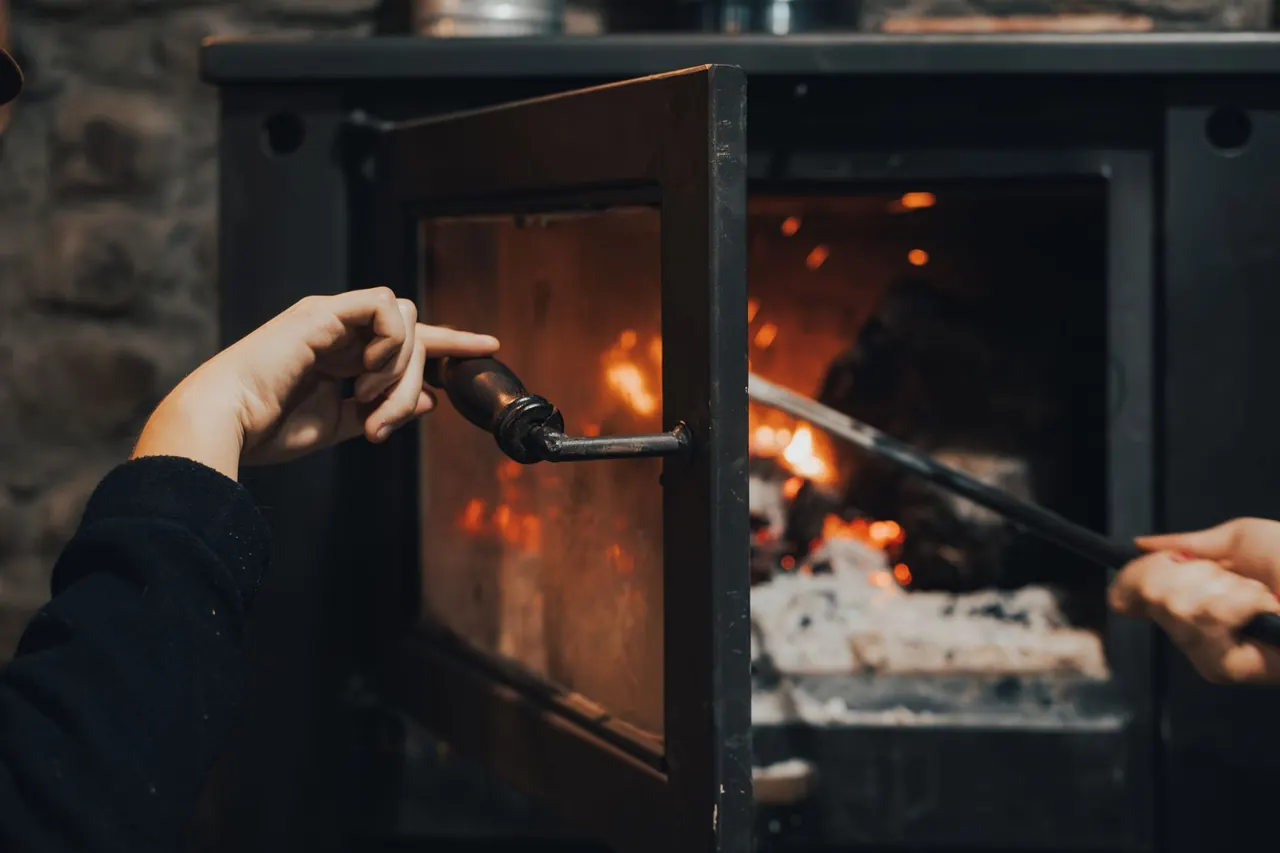
A gas furnace that won't turn on often has a failed igniter or gas valve. We test incoming pressure, verify the valve opens, and confirm the burners light cleanly. Most Lima gas furnace no-heat calls are fixed the same day.
View service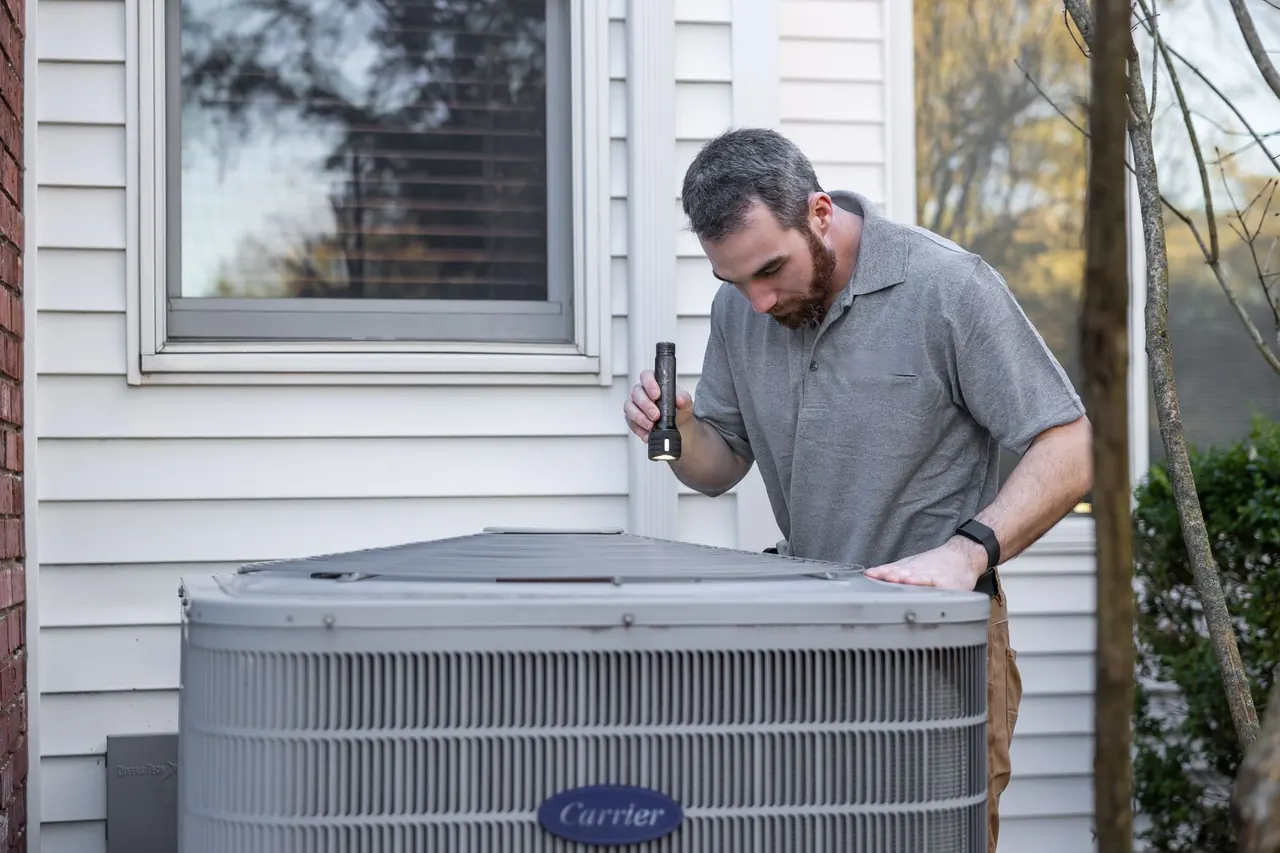
Electric furnaces fail differently than gas units. We test heating elements, sequencers, and limit switches with a clamp meter. If your electric furnace won't start in Lima, we'll trace the circuit and find the open element or failed sequencer.
View service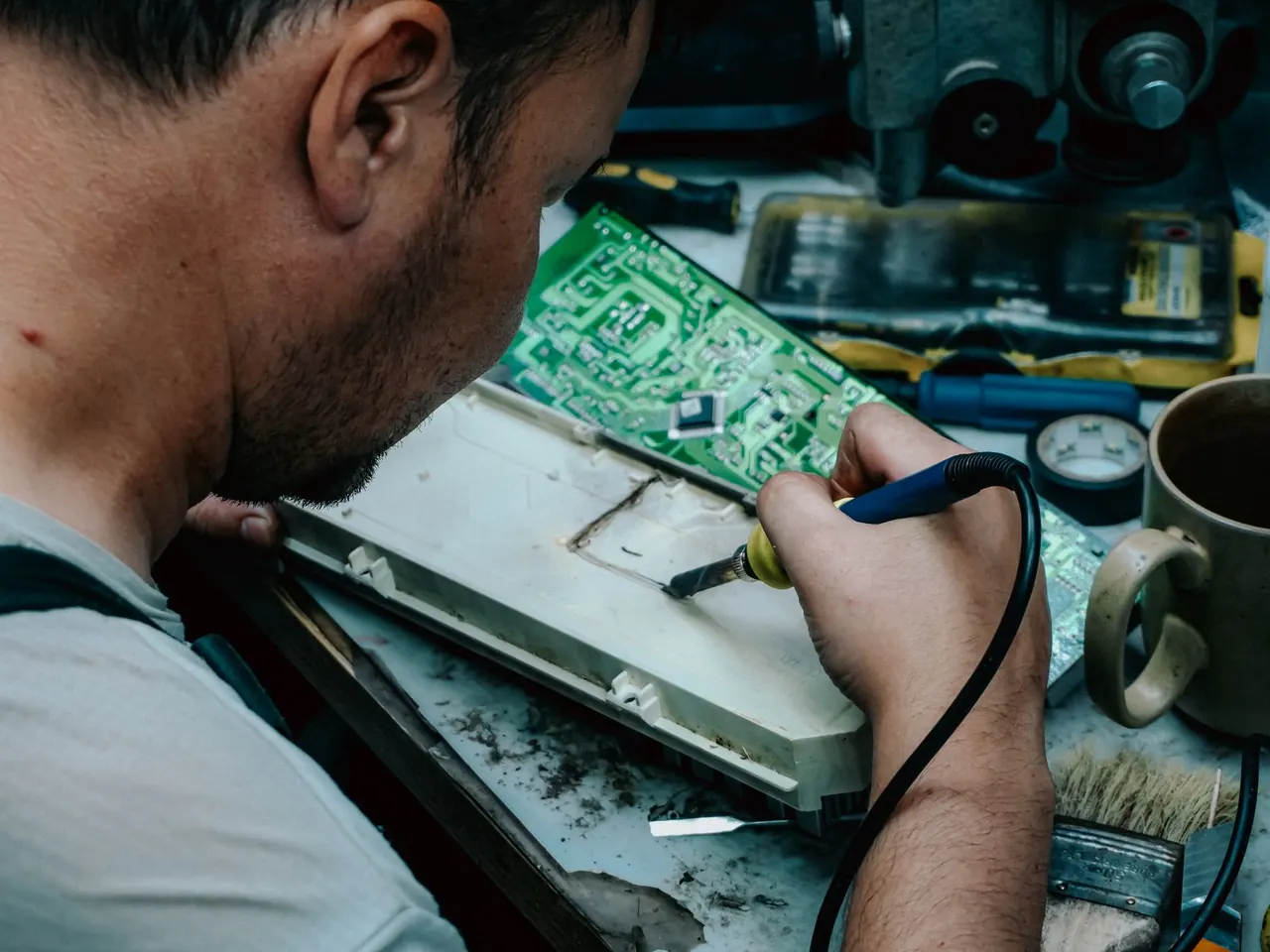
Propane furnaces need correct orifice sizing and pressure. A propane unit that won't ignite often has a regulator issue or a dirty burner. We test with a manometer and combustion analyzer to confirm safe operation before we leave.
View serviceWhen your furnace quits at 2 a.m. in January, you need a real emergency response. We answer the phone 24/7 and dispatch for no-heat emergencies across Lima and Allen County. No answering service, no next-morning callback.
View service
Reach us any hour at (419) 287-8289. We answer live calls overnight and on weekends, and most repairs in Lima and Allen County get a tech on site the same day. Tell us what your furnace is doing and we will give you a straight answer and an arrival window.