Focused arrival windows
Useful updates and clear arrival timing.
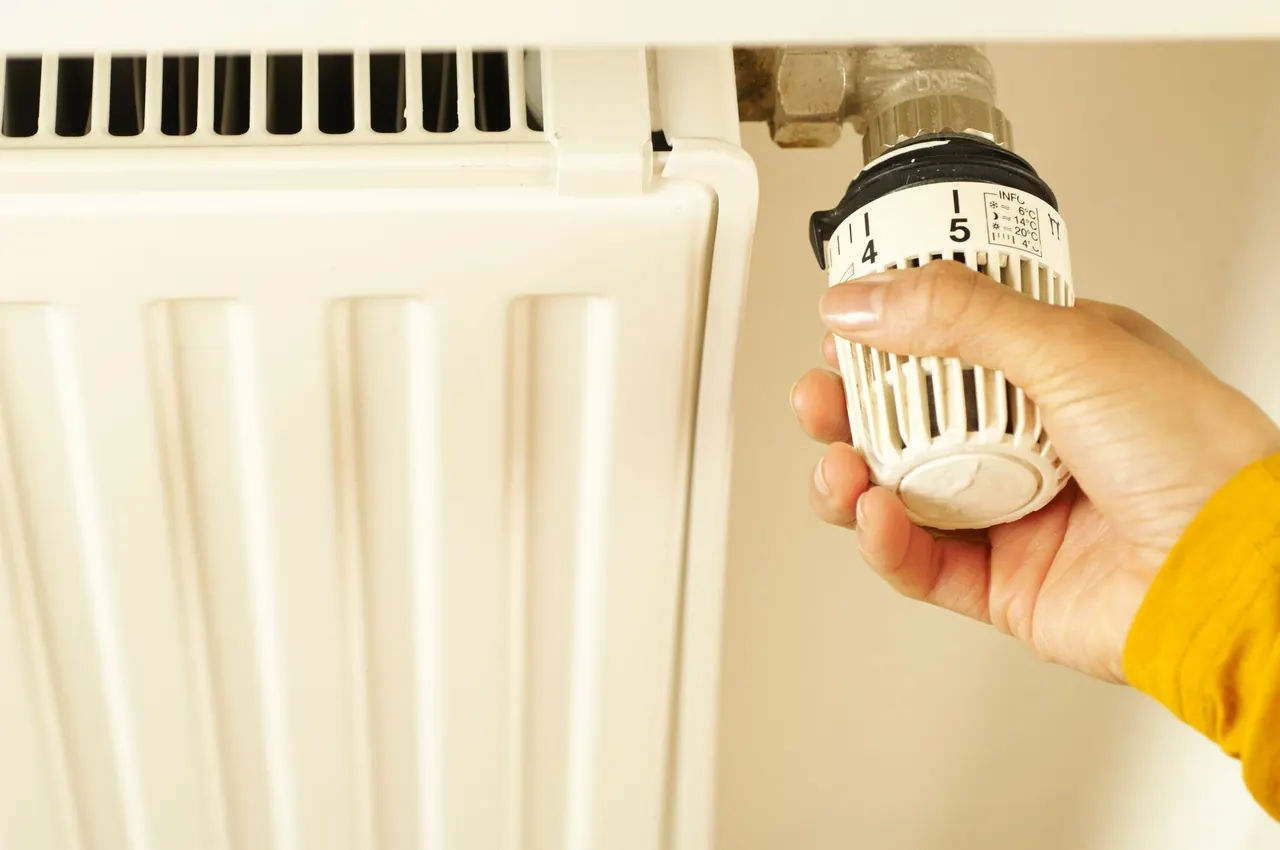
When your propane furnace quits, you need Propane Furnace Repair in Lima that shows up prepared. We diagnose no-heat calls, short cycling, and cold-air complaints across Lima, Ohio, then fix the failed igniter, flame sensor, or gas valve on the first visit whenever parts allow. Our techs carry propane-specific tools and common parts for Carrier, Trane, Lennox, and Goodman units, so most homes get heat back the same day.
Useful updates and clear arrival timing.
Review the approach and price before deciding.
Equipped vehicles and respectful cleanup.
Neighbors serving neighbors with follow-through.
Every propane furnace call starts with a full diagnostic, not a parts swap. Here is what is covered in a standard repair visit, and what we treat as an add-on so you are never surprised by the bill.
We test propane pressure at the gas valve, check the ignition sequence, measure the flame sensor signal, and inspect the heat exchanger. This 30 to 45 minute process tells us exactly what failed and whether the furnace is safe to run.
Igniters, flame sensors, thermocouples, limit switches, and common control boards are replaced with propane-rated parts. We confirm the repair holds through multiple heating cycles before we call the job done.
Dirty burners and a coated flame sensor cause most no-heat and short-cycling calls in Lima. We clean both, verify the flame is steady and blue, and check that the sensor reads within spec so the furnace stays lit.
We test the blower motor and capacitor, check the filter, and confirm the furnace moves enough air for your home. Restricted airflow is a common cause of limit switch trips, and it is easy to fix once we find it.
We inspect the heat exchanger for cracks, confirm the inducer motor is pulling combustion gases out, and check that venting meets code. Carbon monoxide safety is not optional, and we do not leave a furnace running if it fails this check.
Share what is happening and receive a clear next step from the local team.
Propane Furnace Repair in Lima is the diagnostic and mechanical work that restores a propane-fired furnace to safe, reliable heating. It starts with a full combustion analysis: we check gas pressure at the valve, test the igniter and flame sensor, inspect the heat exchanger for cracks, and verify the blower motor and limit switch are doing their jobs. From there we replace failed components, clean burners, and confirm the unit cycles without tripping safety controls.
Lima winters swing hard, and propane systems here deal with long run times and dirty burners by February. If your furnace is blowing cold air, short cycling, or making strange noises, waiting usually turns a $200 repair into a $1,200 problem. We handle propane furnace repair Lima Ohio homeowners call about most: failed igniters, dirty flame sensors, and tripped limit switches. For emergency propane furnace repair Lima OH, we prioritize no-heat calls so you are not stuck overnight.
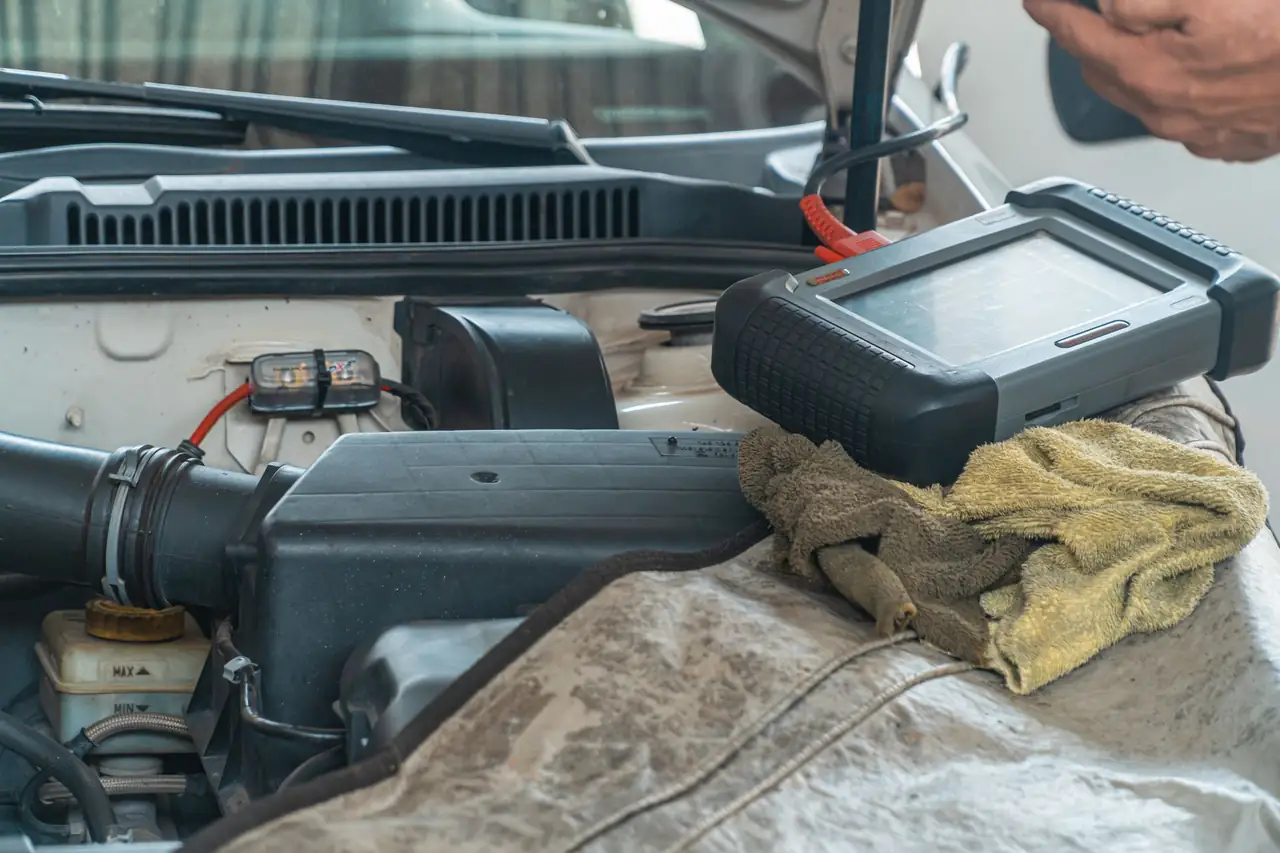
You call (419) 287-8289 and describe the symptoms: no heat, cold air, short cycling, or strange noises. We ask a few questions to narrow the likely cause, then schedule a same-day window. No-heat calls in freezing weather go to the front of the queue.
A NATE-certified tech arrives with a manifold gauge set, multimeter, and combustion analyzer. We test gas pressure, ignition sequence, flame sensor signal, and blower operation. Diagnosis takes 30 to 45 minutes and you get the findings in plain language.
We quote the repair and get your approval before starting. Common fixes like a failed igniter or dirty flame sensor take under an hour. If a control board or inducer motor is needed, we check truck stock first, then source it locally to avoid a long wait.
After the repair, we run the furnace through full cycles and check the heat exchanger, limit switch, and venting. We confirm carbon monoxide levels are safe and that the unit holds temperature without tripping. This step is why our repairs pass inspection the first time.
Before we leave, we show you what failed, how to spot it next time, and when to change your furnace filter. We also note any wear items like a weakening blower motor so you can plan ahead instead of getting surprised in January.
Measures propane pressure at the gas valve and confirms the regulator is set within manufacturer spec. Wrong pressure causes weak flames, delayed ignition, and short cycling.
Checks carbon monoxide levels and combustion efficiency at the flue. We use it after every repair to confirm the furnace is burning clean and venting safely.
Tests flame sensor microamps, igniter resistance, blower motor amp draw, and control board outputs. This is how we find the failed part instead of guessing.
Lets us look inside the heat exchanger for cracks and warping without tearing the furnace apart. Essential for carbon monoxide safety checks on older Lima units.
Verifies standing-pilot and electronic ignition signals directly. We confirm the sensor is the problem before replacing it, which keeps your repair bill honest.
Removes and services blower motors without damaging the housing, and straightens bent condenser fins that restrict airflow and cause limit switch trips.
We follow ACCA guidelines when checking airflow and static pressure. A propane furnace that is starved for air will trip the limit switch repeatedly, so we measure rather than assume the ductwork is fine.
Our techs follow EPA Section 608 rules for fuel and refrigerant handling. That matters when a repair touches the gas valve or sealed system, and it keeps the work compliant and safe.
Every call follows a set sequence: thermostat, ignition, flame sensing, gas pressure, airflow, and venting. Working in order means we find the real fault on the first visit instead of replacing parts at random.
We check current bulletins for Carrier, Trane, Lennox, Goodman, Rheem, Bryant, York, and Amana furnaces. If the factory has a known fix for a common failure, we apply it rather than reinventing the repair.
Call (419) 287-8289 and tell us it is a no-heat emergency. We prioritize those calls and dispatch a tech with common propane parts on board, including igniters and flame sensors. Most Lima no-heat calls are diagnosed and repaired within 2 to 4 hours, so your family is not stuck bundling up or running space heaters.
We test the limit switch, blower motor, and propane pressure to find why the furnace is short cycling. Often it is a clogged filter or a weak blower capacitor, both quick fixes. The furnace returns to full heating cycles, rooms even out, and you avoid the premature heat exchanger wear that short cycling causes.
Turn the furnace off and call us immediately. We inspect the heat exchanger with an inspection camera and test combustion with an analyzer before anyone runs the system again. You get a clear answer on whether the heat exchanger is cracked, and if it is, we walk you through repair versus replacement with the safety facts in hand.
We handle pre-sale furnace repairs with documentation you can hand to the buyer. We clean the flame sensor, reset and test the limit switch, and provide a written summary of the work. The repair clears the inspection objection, and the sale moves forward without a last-minute price renegotiation over the furnace.
Lima sits in a cold pocket of northwest Ohio where January lows regularly hit single digits and furnaces run near-constant for weeks. That long run time wears out igniters, flame sensors, and blower motors faster than in milder climates. Many homes here have older propane furnaces in basements or utility closets with ductwork that was sized for a different era, so airflow problems and limit switch trips are common. We also see a mix of brands: Carrier and Trane in newer builds, Goodman and Rheem in rentals, and older York and Amana units still heating faithfully. When you book propane furnace service Lima OH with us, we bring parts for all of them. If you need affordable propane furnace repair Lima Ohio without cutting corners, we test first and replace only what failed. Our techs know the neighborhoods from Cercado de Lima to San Martín de Porres, and we keep response times short because a cold house does not wait.
A mix of older homes and newer builds, many with propane furnaces in basement utility rooms where airflow is restricted by tight ductwork.
Larger homes with zoned heating systems. We often find short cycling caused by oversized furnaces and undersized returns.
Older housing stock with standing-pilot propane furnaces. Thermocouple and pilot assembly repairs are common here.
Dense residential blocks where furnace closets are small. We check venting carefully because clearance issues cause pressure switch faults.
Family homes with heavy winter use. Dirty flame sensors and clogged filters drive most of our no-heat calls in this area.
Furnaces run near-constant, which accelerates wear on igniters, blower motors, and limit switches. We stock those parts so repairs happen the same day.
Restricted airflow causes limit switch trips and uneven heating. We measure static pressure and flag duct issues that are stealing heat from your rooms.
Low tank pressure can cause weak flames and delayed ignition. We test manifold pressure and confirm the regulator is delivering what the furnace needs.
Tight spaces limit combustion air and make venting checks critical. We inspect clearances and confirm the inducer motor is pulling gases out safely.
A homeowner called at 7 a.m. with a propane furnace that would not light. The house was at 58 degrees and dropping. The thermostat was calling for heat, but the igniter glowed and the burner never lit.
We diagnosed a failed igniter and a dirty flame sensor. Both parts were on the truck. The repair took 90 minutes, and the furnace held 70 degrees through the night. Total cost was $310.
Maintenance: Change the furnace filter every 60 days during heating season and have the flame sensor cleaned annually. A clean sensor prevents the light-then-shut-off pattern that strands homeowners in the cold.
A two-story home had a propane furnace that started and stopped every three minutes. Rooms upstairs stayed cold while the main floor overheated. The homeowner had already replaced the thermostat with no change.
We found a tripped limit switch caused by a clogged filter and a weak blower capacitor. After replacing the capacitor, cleaning the blower, and resetting the switch, the furnace ran full 15-minute cycles. Upstairs temperatures evened out within a day.
Maintenance: Check the filter monthly and have the blower motor amp draw tested each fall. A capacitor that reads low will fail eventually, and catching it early avoids a mid-winter breakdown.
A landlord called about a carbon monoxide detector chirping in a rental unit. The propane furnace was still running, and the tenant had a headache but no other symptoms. The furnace was 18 years old.
Our inspection camera confirmed a cracked heat exchanger. We shut the furnace down, documented the crack with photos, and walked the owner through replacement options. The unit was replaced within 48 hours and passed a combustion safety test.
Maintenance: Annual heat exchanger inspections are the only reliable way to catch cracks before they become a health risk. On furnaces over 15 years old, we recommend a combustion analysis every fall.
Propane furnaces fail in predictable ways, and most of those failures get worse with every cold night. Here are the problems we see most in Lima and how we solve them.
You wake up to a cold house and the thermostat is calling for heat with nothing happening. Left alone, the problem usually spreads to the control board or gas valve. We test the ignition sequence from thermostat to gas valve, find the break, and replace the failed igniter, control board, or valve. Most no-heat calls are fixed the same day with parts we carry on the truck.
The blower runs but the burners never light or shut off within seconds. This points to a dirty flame sensor, weak igniter, or low propane pressure, and it wastes fuel while your house gets colder. We clean or replace the flame sensor, test the igniter, and check manifold pressure with a gauge set. Once the burner stays lit through a full cycle, warm air returns and the furnace stops short cycling.
The furnace starts and stops every few minutes, wearing out the inducer motor and heat exchanger. It also leaves rooms unevenly heated and drives up your propane bill. Short cycling usually traces to a tripped limit switch, restricted airflow, or an oversized furnace. We test the switch, check the blower and filter, and fix the root cause so the furnace runs full cycles again.
Banging, squealing, or rumbling can mean delayed ignition, a dry blower bearing, or a failing inducer motor. Ignoring it risks a cracked heat exchanger or a mid-winter breakdown. We pinpoint the noise source with a multimeter and inspection camera, then repair or replace the failed component. A blower motor puller and fin comb let us service the motor properly instead of just quieting it temporarily.
$180 - $650 depending on the failed part and scope
Typical 2026 pricing for propane furnace repair in Lima runs $180 to $650, depending on the failed part and how long the diagnosis takes. A dirty flame sensor or failed igniter sits at the low end. A gas valve, inducer motor, or control board pushes the number higher. We quote the repair before we start, so you approve the price before we pick up a tool. If a repair is not worth doing on an aging furnace, we tell you that too.
You are paying for a diagnosis that finds the real fault, a repair that holds through full heating cycles, and a safety check that confirms your family is not breathing carbon monoxide. Cheap parts-swapping costs more in the long run.
An igniter or flame sensor is inexpensive and usually on the truck. A control board, inducer motor, or gas valve costs more and may need a same-day parts run. We confirm availability before quoting.
Furnaces in tight closets or behind finished walls take longer to service. We account for access in the quote so there is no surprise labor charge after the work is done.
A no-heat call with a clear fault takes 30 to 45 minutes to diagnose. Intermittent short cycling or a suspected heat exchanger crack can take longer, and that time is reflected in the price.
On a 20-year-old propane furnace, a $600 repair may not be the right call. We give you the honest math on repair versus replacement so you can decide with real numbers.
Evening, weekend, and holiday no-heat calls carry a higher rate because we pull a tech off standby. We tell you the after-hours number before we dispatch, not after.
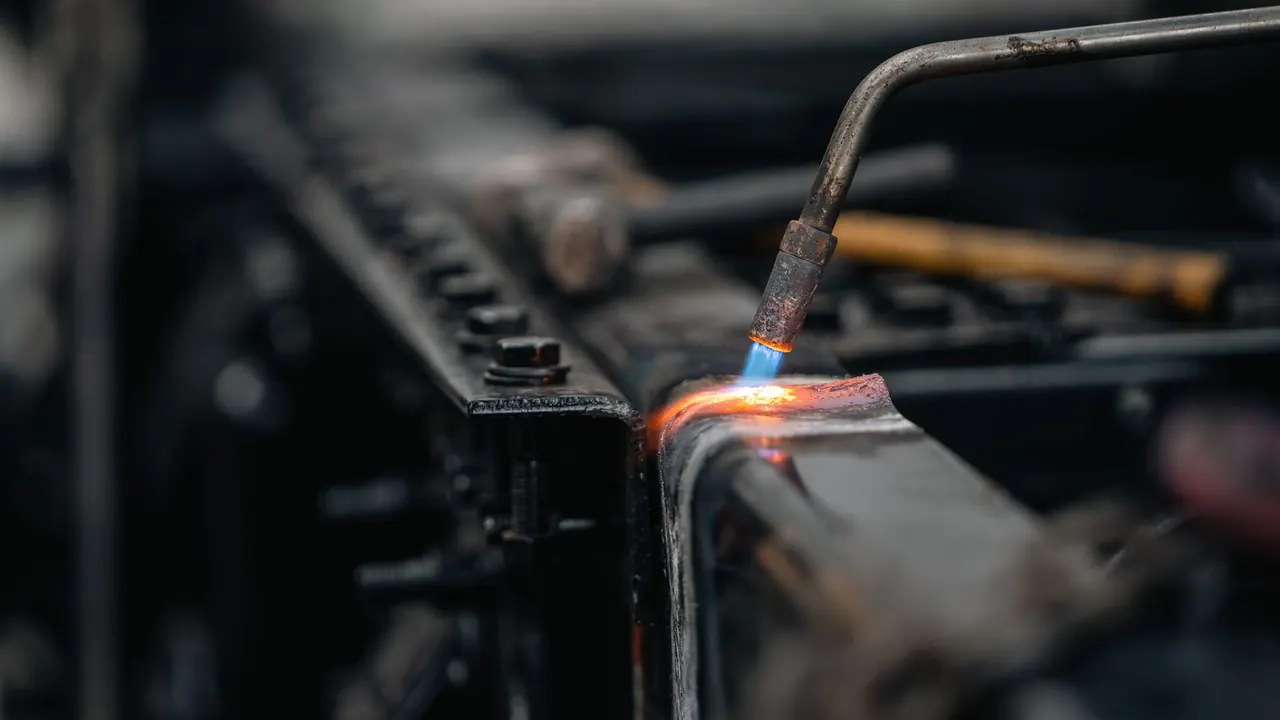
Our technicians work on propane furnaces every week in Lima and Allen County, from older units with standing pilots to modern high-efficiency models with electronic ignition. We hold NATE certification and follow EPA Section 608 and OSHA safety compliance on every job. That means we know how propane combustion behaves in cold, drafty basements and how to spot a cracked heat exchanger before it becomes a carbon monoxide risk. We also keep up with manufacturer service bulletins for Carrier, Trane, Lennox, Goodman, Rheem, Bryant, York, and Amana so our repairs match what the factory recommends.
Our propane furnace quit on a Friday night in January. I called at 7 a.m. and they had a tech out by 10. He found a failed igniter, had the part on the truck, and we had heat by lunch. He also showed me the dirty flame sensor and cleaned it while he was in there. Fair price, no upsell.
We were getting cold air from every vent and could not figure out why. The tech tested the gas valve pressure and found it was set too low for our propane system. He adjusted it, replaced a weak thermocouple, and the difference was immediate. House holds 70 degrees now even on the coldest nights.
I manage three rental units with propane furnaces, and I have used these guys twice this season. Both times they diagnosed the problem fast, explained the repair in plain terms, and gave me a written summary I could pass to the owner. The short cycling issue in the Cercado de Lima unit was a tripped limit switch from a clogged filter.
Most propane furnace repairs in Lima run $180 to $650 in 2026, depending on the failed part and how long the diagnosis takes. A dirty flame sensor or failed igniter sits at the low end. A gas valve, inducer motor, or control board pushes the price higher. We quote the repair before we start, so you know the number before we pick up a tool.
Lima Furnace Repair Pros repairs propane furnaces across Lima and Allen County. Our techs are NATE-certified and carry propane-specific tools like manifold gauge sets and combustion analyzers. We work on Carrier, Trane, Lennox, Goodman, Rheem, Bryant, York, and Amana units, and we handle everything from a failed igniter to a bad blower motor.
The most common causes are a dirty flame sensor, a failed igniter, a tripped limit switch, or low propane pressure at the gas valve. In Lima, long winter run times also wear out thermocouples and blower motors. If your furnace blows cold air or short cycles, call us and we will diagnose it the same day.
Homeowners insurance in Ohio usually covers sudden damage, like a cracked heat exchanger caused by impact or a fire, but not normal wear on igniters, flame sensors, or blower motors. Some home warranty plans cover mechanical failures. We give you a written diagnosis and photos you can submit to your insurer or warranty company.
Not seeing your question? Our local team can help you understand urgency, scheduling and what to expect.
Ask the local team
If your home runs on natural gas instead of propane, we handle that too. The diagnostic steps overlap, but gas pressure and valve specs differ. We test both fuels with the right gauges so your furnace gets the correct fix, not a guess.
View service
Electric furnaces fail on heating elements, sequencers, and blower motors rather than igniters and gas valves. We service those systems across Lima with the same same-day approach, so you are covered no matter what fuel your home uses.
View serviceNo heat at 2 a.m. is an emergency in an Ohio January. We prioritize no-heat calls for propane and gas furnaces, and we keep evening and weekend windows open through the heating season so your family is not stuck waiting until Monday.
View service
Most Lima furnace calls are diagnosed and repaired the same day when parts are on the truck. We stock igniters, flame sensors, thermocouples, and common control boards, which cuts the wait and gets your heat back on faster.
View service
Reach us any hour at (419) 287-8289. We answer live calls overnight and on weekends, and most repairs in Lima and Allen County get a tech on site the same day. Tell us what your furnace is doing and we will give you a straight answer and an arrival window.