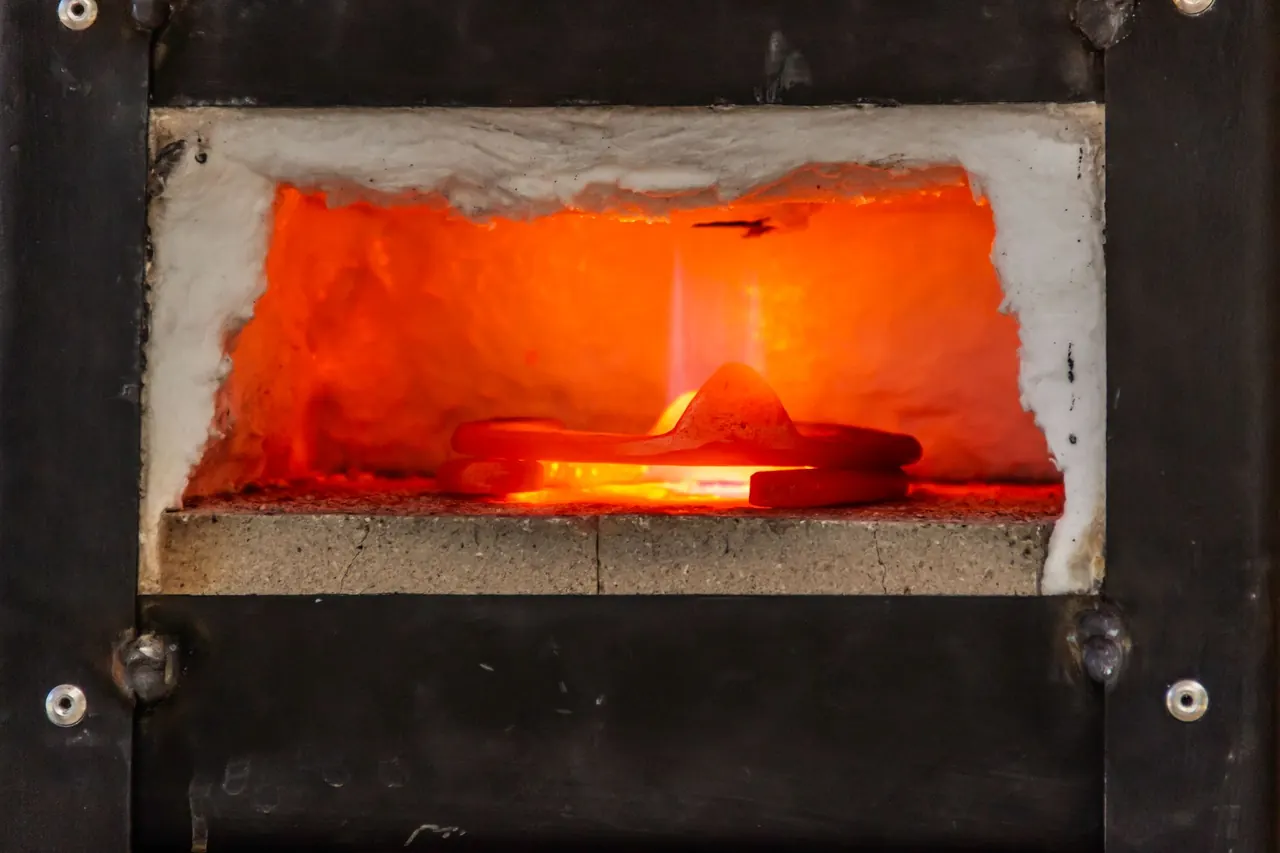
Furnace ignition repair in Barranco: signs you need help
Clicking with no heat, short-lived flames, or a furnace that never lights? Here are the real signs you need furnace ignition repair in Barranco.
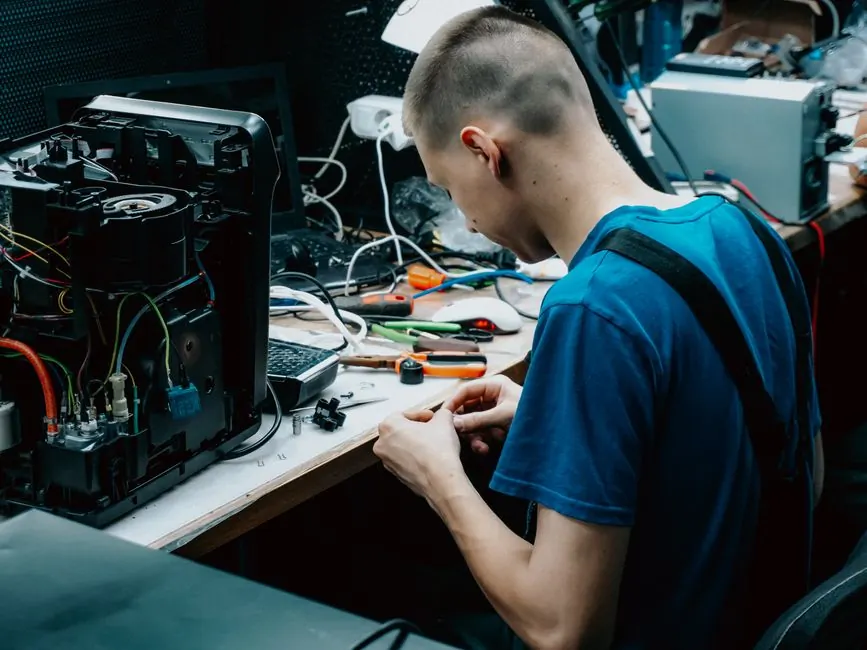
The signs you need furnace ignition repair in Barranco are a clicking sound with no flame, a furnace that lights for three to five seconds and quits, a cold house while the thermostat calls for heat, and a blinking fault code on the control board. If any of those match what you are hearing or seeing right now, the igniter, flame sensor, or control board has failed, and the furnace will not produce heat until it is repaired.
Furnace ignition repair in Barranco is the diagnostic and repair work that restores the spark or hot-surface element that lights your burners. Below we cover the seven signs, why they happen in this part of Lima, what the repair costs in 2026, and when it is time to stop troubleshooting and call us.
What furnace ignition repair in Barranco actually fixes
Furnace ignition repair in Barranco is a repair service that restores the component responsible for lighting the gas burners inside your furnace, whether that is a hot-surface igniter, a spark electrode, or the control board that tells them when to fire. Modern furnaces do not have a standing pilot flame; they light on demand, and they only light when the ignition sequence completes in the right order.
That sequence runs like this: the thermostat calls for heat, the inducer motor pulls air through the heat exchanger, the pressure switch confirms the draft, the ignition source glows or sparks, the gas valve opens, the flame sensor confirms the flame, and the blower pushes warm air through your ducts. Any break in that chain shuts the furnace down on purpose. The system is designed to fail safe, not to fail warm.
When we arrive on a call, we test each step with a multimeter and a manometer rather than guessing at the part. Most no-heat calls we run in Barranco trace back to one of four components: the igniter, the flame sensor, the pressure switch, or the control board. We also see a fair number of gas valve failures on furnaces past the 15-year mark.
The seven signs you need furnace ignition repair in Barranco
These are the seven symptoms we hear about most often from homeowners in Barranco, and each one points to a specific part of the ignition system rather than a general "furnace is broken" diagnosis.
- Clicking with no flame. You hear a rhythmic click every few seconds but the burners never light. On a spark-ignition furnace, that is usually a worn electrode or a cracked igniter wire. On a hot-surface furnace, the igniter is not drawing enough current to open the gas valve.
- Burners light, then die in three to five seconds. This is the classic flame sensor fault. The sensor is a thin metal rod that sits in the flame and sends a tiny microamp signal back to the board. When it is coated with carbon or silica, the board reads "no flame" and shuts the gas off within seconds.
- Furnace runs for 30 to 90 seconds, then restarts. Short cycling on a newer furnace often means the igniter is weak or the pressure switch is not closing cleanly. On an older unit, it can mean a failing control board.
- Blinking LED code on the control board. Count the flashes. Three flashes on most Carrier and Bryant boards means a pressure switch fault. Four flashes points to an open limit switch. Seven flashes is a flame-sense error. That code saves us 20 minutes on the diagnostic.
- Thermostat calls for heat, nothing happens at all. No click, no glow, no blower. That is usually a control board failure or a blown 3-amp fuse on the board itself.
- You smell gas at startup. Shut the furnace off at the breaker and the gas valve, open a window, and call us. A delayed ignition that lets gas build up before the burner lights is a safety issue, not a comfort issue.
- Rising gas bills with normal runtime. A weak igniter that takes two or three tries to light the burner wastes gas on every cycle. If your bill jumped 15 to 20 percent with no change in thermostat settings, the ignition system is worth testing.
If you are seeing more than one of these at once, the problem is usually upstream of the igniter itself. A failing furnace control board repair Lima Ohio call often starts as what looks like an igniter problem, because the board is the part that decides when to fire the igniter in the first place.
Why ignition systems fail in Barranco and across Lima
Ignition components fail faster in Barranco than in most of Lima because of how the neighborhood's housing stock and our regional climate interact. Barranco sits in a stretch of older homes, many built between 1920 and 1960, where furnaces were retrofit into basements and utility closets that were never designed for modern equipment.
Three things wear out igniters and flame sensors here:
- Dust and humidity in basement installs. A hot-surface igniter runs at 1,800 to 2,500 degrees Fahrenheit. Every startup cycle pulls a thin layer of dust across the element. In a damp basement, that dust cakes on, and the igniter draws more current until it cracks.
- Short cycling from undersized returns. Older Barranco homes often have one or two return-air grilles for the whole house. The furnace overheats, the limit switch trips, and the ignition system cycles two to three times more often than it should. More cycles means more wear on every ignition part.
- Ohio's temperature swings. We routinely see 40-degree swings between morning and afternoon in October and November. Furnaces that sat idle all summer get slammed into daily duty overnight, and weak igniters fail on the first cold snap.
We also see a lot of nuisance flame-sensor faults on furnaces that were installed correctly but never serviced. A flame sensor cleaned once a year lasts a decade. One that is never touched fails in three to five years. That is the single easiest repair we do, and it is why we recommend an annual tune-up before the first hard freeze.
If your furnace is a gas unit and you are weighing repair versus replacement, our team handles gas furnace repair Lima OH on every major brand, and we will tell you honestly when a $300 ignition repair makes sense versus when a 22-year-old heat exchanger is telling you something else.
Can I fix my furnace igniter myself in Barranco?
You can replace a hot-surface igniter yourself if you are comfortable working around gas appliances, but most homeowners in Barranco should not, and here is the honest reason why: the igniter is rarely the only failed part, and a DIY swap that misses the real fault leaves you with the same no-heat call two days later.
The parts themselves are cheap. A universal hot-surface igniter runs $25 to $60 at a Lima supply house. A factory igniter for a Carrier, Trane, or Lennox furnace runs $45 to $120. The labor is where the value sits, because the diagnostic is what tells you whether the igniter failed on its own or was killed by a failing control board sending it 140 volts instead of 120.
What we see on DIY attempts:
- Igniters broken during install because they are ceramic and shatter if you touch the element with bare fingers. Skin oil alone can cause a hot spot and a crack within a week.
- Wrong igniter amperage. A 5-amp igniter in a furnace spec'd for 3.5 amps will light, then fail within a month.
- Flame sensor reinstalled backwards or with the wrong gap, causing the same short-cycle fault the homeowner was trying to fix.
- Gas valve left in the wrong position after the repair, which is a genuine safety hazard.
If you want to try it, shut the gas off at the valve, kill power at the breaker, and photograph every wire before you disconnect it. If the new igniter does not solve the problem on the first try, stop. That is the point where a $99 diagnostic from a pro is cheaper than a second igniter and a weekend of your time.
What furnace ignition repair costs in Barranco in 2026
Furnace ignition repair in Barranco runs $180 to $450 in 2026 for most residential calls, with the average landing around $260 to $320 depending on the part and the brand. That range covers the diagnostic, the part, and the labor to install and test it.
Here is how the pricing breaks down by component:
- Flame sensor cleaning or replacement: $150 to $220. The cheapest ignition repair we do, and the most common.
- Hot-surface igniter replacement: $220 to $380, depending on whether the part is universal or factory OEM.
- Spark igniter and electrode replacement: $200 to $340. More common on older furnaces and some Rheem and York models.
- Control board replacement: $400 to $750, because the board itself runs $200 to $500 before labor.
- Gas valve replacement: $450 to $900. This is the upper end of ignition-related work and usually only happens on furnaces past 15 years.
After-hours and weekend calls add $75 to $150 to the total. If you are calling us on a Sunday night in January with no heat and a house full of kids, that premium is worth knowing about before we roll a truck. We quote the price before we start work, and the number we quote is the number you pay.
One more thing worth knowing: if your furnace is under a manufacturer's parts warranty, the part may be free and you pay labor only. Carrier, Trane, Lennox, and most major brands run 5- to 10-year parts warranties on the heat exchanger and 1- to 5-year warranties on ignition components. We check the data plate on every call.
Common mistakes we see on ignition repairs
The mistakes we see on ignition calls in Barranco fall into a short list, and every one of them costs the homeowner more money than the original repair would have.
Replacing the igniter without testing the board. A control board that is sending erratic voltage will kill a new igniter in a week. We test board output before we install any ignition part.
Ignoring the fault code. That blinking LED is a diagnostic gift. Homeowners who reset the furnace and hope for the best often turn a $200 flame sensor cleaning into a $600 board replacement.
Using the wrong igniter. Universal igniters work, but they have to match the furnace's specified amperage and warm-up time. A mismatch lights the burner but shortens the igniter's life to months instead of years.
Never cleaning the flame sensor. This is the one that gets people. A flame sensor takes 10 minutes to clean with steel wool. Skipping it for five years is what causes most of the no-heat calls we run in November and December.
Running the furnace with a cracked igniter. A cracked igniter can arc to the furnace cabinet instead of the burner. That is a fire risk, not just a no-heat problem. If you see visible cracks on the igniter, stop running the furnace.
If your furnace is making noises you cannot place on top of the ignition symptoms, our team also handles furnace noisy repair Lima calls, and we can usually diagnose both issues on the same visit.
When to call a professional
Call a professional the moment you smell gas, see a cracked igniter, or get the same fault code twice after resetting the furnace. Those three situations are not DIY territory, and every hour you run the furnace in that condition is a risk you do not need to take.
For everything else, the rule we give homeowners is simple: if the furnace has not produced heat after two reset attempts, or if you have been without heat for more than four hours in freezing weather, call us. We run same-day ignition diagnostics across Barranco and the surrounding Lima neighborhoods, and we stock the common igniters and flame sensors on every truck so most repairs finish in one visit.
Our team at Lima Furnace Repair Pros works on every major brand, from Carrier and Trane to Lennox, Goodman, Rheem, Bryant, York, and Amana. We test the full ignition sequence, not just the part that failed, so you are not calling us back next month for the same problem.
If you are comparing us to other shops, the difference is that we treat the ignition system as a system. We check the igniter, the flame sensor, the pressure switch, the gas valve, and the board on every no-heat call. That is why our callback rate on ignition repairs is low, and why we can tell you with confidence whether your furnace has another five winters in it or is on its last one.
Frequently Asked Questions
What are signs I need furnace ignition repair in Barranco?
The main signs are clicking with no flame, burners that light and die within three to five seconds, a blinking fault code on the control board, and a furnace that runs but never heats the house. Any of those means the ignition system has failed and needs diagnosis.
Who repairs furnace ignition in Barranco Lima?
Lima Furnace Repair Pros handles furnace ignition repair across Barranco and the rest of Lima, Ohio. We work on hot-surface igniters, spark igniters, flame sensors, control boards, and gas valves, and we stock the common parts on every truck for same-day repairs.
How much does furnace ignition repair cost in Barranco?
In 2026, most furnace ignition repairs in Barranco run $180 to $450. A flame sensor cleaning is around $150 to $220, an igniter replacement is $220 to $380, and a control board replacement runs $400 to $750. After-hours calls add $75 to $150.
Can I fix my furnace igniter myself in Barranco?
You can replace a hot-surface igniter yourself if you are comfortable with gas appliances, and the part costs $25 to $120. But most DIY attempts miss the underlying fault, and a wrong-amperage igniter fails within a month. If the first swap does not work, call a pro.
How long does furnace ignition repair take?
Most ignition repairs take 45 to 90 minutes once we are on site. Flame sensor cleanings finish in under 45 minutes. Control board and gas valve replacements run 90 minutes to two hours, and we test the full ignition sequence before we leave.
Get help with Furnace Repair in Lima
If your furnace is clicking, short-cycling, or blowing cold air, we can diagnose the ignition system today and give you a straight price before we start. Call Lima Furnace Repair Pros at (419) 287-8289 and we will get your heat back on.